
Study in Spain
Global Education. Mediterranean Lifestyle. A Bridge Between Europe and Latin America.
- Home
- Study in Spain

Study in Spain
Dreaming of Studying in Spain?
- Home to top universities like Universidad Autónoma de Madrid, IE Business School, and Pompeu Fabra University.
- Over 1,000+ English-taught Bachelor’s and Master’s programs across disciplines.
- Post-study work opportunities through Spain’s Job Search Visa (up to 12 months) and EU Blue Card eligibility.
- Renowned for programs in Business, Hospitality, Tourism, Architecture, Medicine, and Renewable Energy.
- Affordable tuition and low cost of living compared to other Western European countries.
- Welcoming culture, strong student communities, and easy travel across the EU Schengen zone.
Education
Education System in Spain
Globally Recognised Degrees. Diverse Study Options. Built for Academic Excellence and Global Careers.
Spain’s higher education system is one of the oldest and most respected in Europe, known for its academic rigor, rich cultural heritage, and growing internationalisation. With over 1.5 million students, including tens of thousands of international learners, Spain offers a vibrant, welcoming, and future-focused education environment.
Whether you are pursuing a Bachelor’s, Master’s, or Ph.D., you’ll find a system designed to provide theoretical knowledge, practical skills, and global exposure.
Duration:
Typically 4 years ((240 ECTS credits)
Language:
Increasing availability of English-taught Bachelor’s degrees, especially in Business, Hospitality, Engineering, and IT.Structure:
Academic coursework + practical modules (internships, labs, field projects)Popular Fields:
Business Administration, Tourism & Hospitality, Computer Science, Law, Arts, Environmental Science.
Many programs include mandatory internships or study-abroad options through Erasmus+
Duration: Typically 1-2 years (60–120 ECTS credits)
Language:
Hundreds of fully English-taught Master’s programs are available—especially in Business, STEM, Sustainability, Fashion, and Design
Popular Fields:
International Business & Marketing,Data Science & Artificial Intelligence,Renewable Energy & Environmental Engineering,Architecture & Urban Planning,Tourism & Event Management
Master’s degrees often focus on hands-on learning, case studies, and international mobility.
Duration: Typically 3–4 years
Structure: Independent research + thesis defense, often linked to EU-funded research centers or industry collaborations.Funding: Many positions are fully funded through research grants, stipends, or EU mobility programs.Fields: Sciences, Engineering, Social Sciences, Humanities, Biotech.
Spain’s Research Universities and Technical Institutes are increasingly recognised for innovation in sectors like renewable energy, life sciences, and aerospace.
Types of Higher Education Institutions in Spain
Affordable, research-oriented, strong government funding. Examples: University of Barcelona, Complutense University of Madrid.
Smaller class sizes, more English programs, often with stronger industry ties. Examples: IE University, Universidad Europea.
Globally ranked schools with focus on management, entrepreneurship, and finance. Examples: IESE, ESADE, EADA.
Focus on technical and professional degrees with high employability. Examples: Polytechnic University of Valencia, Universitat Politècnica de Catalunya
All degrees are Bologna Process compliant and fully recognised across Europe and globally.
Credit System & Evaluation
Intakes in Spain
(Applications: Jan – June)
Majority of Bachelor’s, Master’s, and Ph.D. programs
(Applications: Sept – Nov)
Available for select programs in Business, IT, and Hospitality
September is the primary intake for most universities.
Pro Tips for Spain Intakes
- Apply 6–9 months in advance for better scholarship eligibility and visa planning.
- Many top universities offer rolling admissions, but early applicants get priority on financial aid.
- Consider language learning (Spanish basics) even if your program is fully in English—it will boost job prospects and social integration.
Confused about how Spain’s education system fits your goals?
Let The Study Connect help you choose the right path, shortlist universities, and plan your timeline step-by-step.
Courses
Popular Courses and Top Universities to Study in Spain
Globally Respected Degrees. Career-Ready Programs. A Launchpad for European and Global Success.
Spain is known for its rich academic traditions, global business schools, leadership in tourism and hospitality, and growing strength in tech, sustainability, and innovation. With hundreds of English-taught programs, Spain is attracting students from around the world who want to combine world-class education with affordable living and exciting career opportunities.
Here’s a look at the most popular courses and top universities that consistently attract international students.
Popular Courses Among International Students in Spain
Spain is home to some of Europe’s top-ranked business schools and multinational headquarters, making it a magnet for students seeking careers in finance, entrepreneurship, consulting, and marketing.Popular Job Roles: Business Analyst, International Trade Manager, Marketing Executive, ConsultantTop Employers: Santander, BBVA, Inditex (Zara), Deloitte, Accenture Many programs offer dual degrees, internships, and global mobility through Erasmus+.
As one of the world’s top tourist destinations, Spain leads in hospitality education and global tourism management Popular Job Roles: Hotel Manager, Event Planner, Tourism Marketing ExecutiveTop Employers: Melia Hotels, NH Hotels, Iberostar, event management firms Spain offers practical, hands-on programs with international internships in Europe, Asia, and the Americas.
Spain’s growing tech ecosystem (especially in Barcelona, Madrid, and Valencia) has created high demand for IT professionals, data scientists, and AI specialists. Popular Job Roles: Software Developer, Data Analyst, AI Engineer, Cybersecurity SpecialistTop Employers: Telefónica, IBM Spain, Amadeus IT Group, startups in Barcelona Tech City Programs often include internships, hackathons, and entrepreneurship support.
Spain’s historic architecture, fashion hubs, and creative industries make it a prime choice for students in Architecture, Interior Design, Fashion, and Visual Arts. Popular Job Roles: Architect, Fashion Designer, UX/UI Designer, Urban PlannerTop Employers: Foster + Partners, Mango, H&M, boutique studios Many design programs are linked to real-world projects and exhibitions.
With ambitious goals for green energy and sustainability, Spain offers leading programs in solar, wind, and environmental management. Popular Job Roles: Energy Engineer, Sustainability Consultant, Environmental AnalystTop Employers: Iberdrola, Acciona, Siemens Gamesa, government agencies These sectors are also supported by EU-funded projects and PR-friendly career pathways.
Spain is known for its public health research, pharmaceutical industry, and medical tourism, making it a solid choice for students in biomedical sciences, pharmacy, and healthcare management. Popular Job Roles: Public Health Officer, Clinical Researcher, Pharma SpecialistTop Employers: Grifols, Almirall, hospitals, research labs Many Master’s programs offer pathways to EU healthcare employment.
Top Universities in Spain for International Students
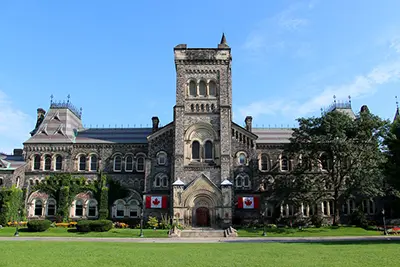
Known For Life Sciences, Arts, Humanities, Environmental Studies

Known For Business, Sciences, Law, Engineering

Known For Business, Economics, Communication, Data Science

Known For Health Sciences, Arts, Psychology, Social Sciences
Known For Architecture, Engineering, IT, Industrial Design
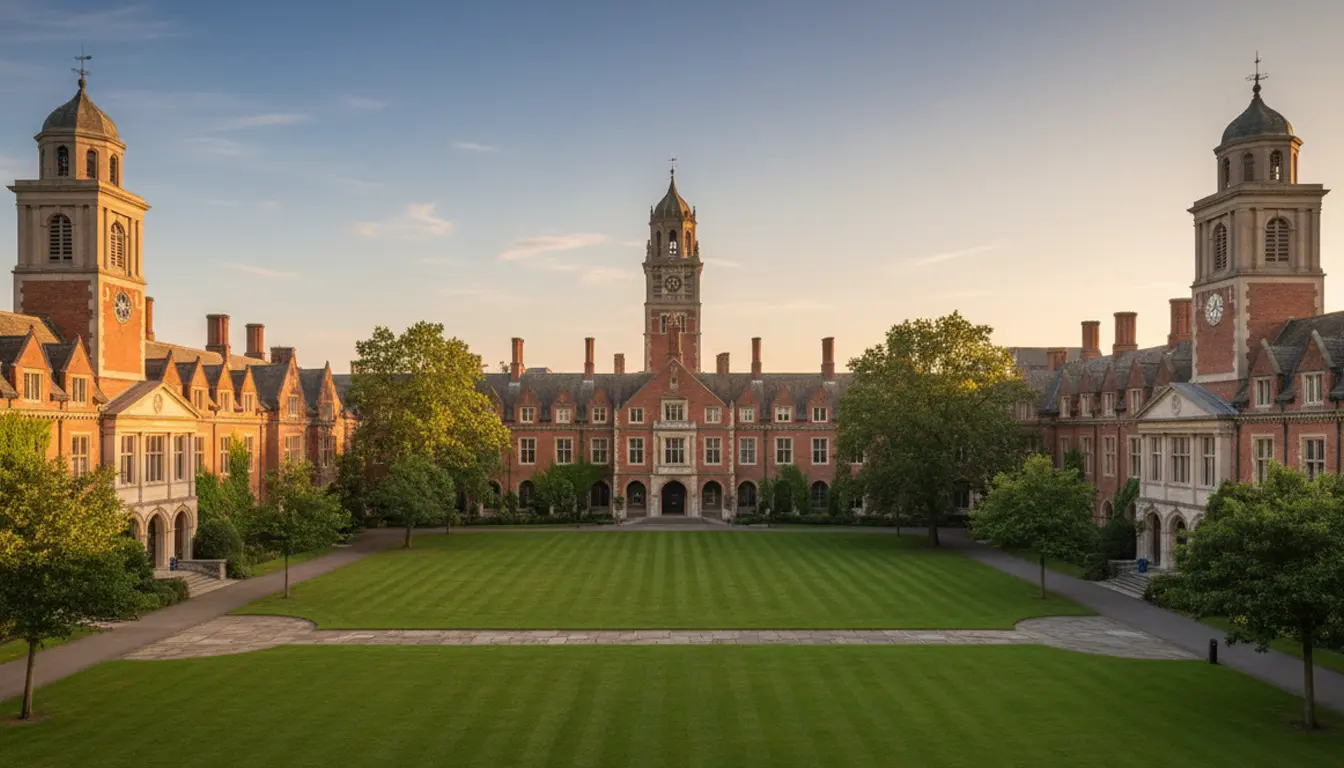
Known For Renewable Energy, Tech, Civil & Industrial Engineering
Known For MBA, Finance, International Business, Tech Innovation
Known For Law, Management, Marketing, Strategy
Known For Executive Education, MBA, Finance, Entrepreneurship
These universities offer English-taught programs, global mobility, and strong employability across Europe and Latin America.
Pro Tips Before Shortlisting
- Public universities are more affordable and ideal for academic or research-focused careers.
- Private universities & business schools offer faster industry access, global networks, and stronger post-study job placement.
- Consider city choice carefully—Madrid and Barcelona offer more jobs but have higher living costs; smaller cities may offer better affordability and lifestyle balance.
Confused about which course or university in Spain is right for you?
Let The Study Connect help you shortlist the best options based on your goals, budget, and career plan.
Finance
Tuition Fees and Cost of Living to Study in Spain
Affordable European Education. High Living Standards. Better Value for Your Investment.
Spain offers one of the most affordable higher education options in Western Europe, with reasonable tuition fees and a relatively low cost of living—especially when compared to countries like the UK, USA, or Australia. With the right planning and guidance, studying in Spain can be both financially accessible and life-changing.
At The Study Connect, we help you map your expenses, explore scholarships, and plan a budget that works for you.
Tuition Fees (Annual Average)
Public University (EUR)
€750 – €3,500/year
Private University / Business School (EUR)
€8,000 – €18,000/year
₹70,000 – ₹16 lakhs/year
(Approx. in INR)
Public University (EUR)
€1,000 – €4,000/year
Private University / Business School (EUR)
€10,000 – €25,000/year₹90,000 – ₹22 lakhs/year
(Approx. in INR)
Public University (EUR)
N/A (public)
Private University / Business School (EUR)
€20,000 – €50,000/year₹18 lakhs – ₹45 lakhs/year
(Approx. in INR)
Public University (EUR)
Often tuition-free or minimal
Private University / Business School (EUR)
Paid positions available in some casesStipends or minimal fees
(Approx. in INR)
Public universities offer significantly lower fees with the same global recognition, while private universities provide faster industry entry and premium programs.
Living Expenses (Monthly Averages)
Spain is known for its lower living costs compared to other Western European nations, though costs vary by city.
€300 – €700
(Average Monthly Cost in EUR)
₹27,000 – ₹63,000
(Approx. in INR)
€150 – €300
(Average Monthly Cost in EUR)
₹13,500 – ₹27,000
(Approx. in INR)
€40 – €70
(Average Monthly Cost in EUR)
₹3,500 – ₹6,500
(Approx. in INR)
€25 – €40
(Average Monthly Cost in EUR)
₹2,200 – ₹3,600
(Approx. in INR)
€50 – €150
(Average Monthly Cost in EUR)
₹4,500 – ₹13,500
(Approx. in INR)
Estimated Annual Living Cost:
€7,000 – €10,000 → ₹6.5 – ₹9 lakhs per year (lower in smaller cities).
Cities like Granada, Valencia, Seville, and Zaragoza are 20–30% cheaper than Madrid or Barcelona.
Additional One-Time Costs
€80 – €160
(Estimated Cost in EUR)
₹7,000 – ₹14,000
(Approx. in INR)
€500 – €800 (Estimated Cost in EUR)
₹45,000 – ₹72,000
(Approx. in INR)
€300 – €500/year
(Estimated Cost in EUR)
₹27,000 – ₹45,000
(Approx. in INR)
€500 – €800/year
(Estimated Cost in EUR)
₹45,000 – ₹72,000
(Approx. in INR)
Spain mandates private health insurance for student visa approval, which we help you arrange.
Part-Time Work to Support Living Costs
International students in Spain can legally work part-time during studies:
Up to 20 hours/week during term; full-time during holidays
€8 – €12/hour → ₹700 – ₹1,100/hour
€500 – €800 → ₹45,000 – ₹72,000
Part-time jobs can help cover rent, groceries, and leisure expenses, but students should still show financial proof for visa purposes.
Why Choose Us
How The Study Connect Helps You Plan Financially for Spain
- Budget planning based on your target city and program
- Scholarship search and application guidance
- Assistance with education loans, financial proof preparation, and visa documentation
- Tips on finding part-time work after arrival
Scholarship
Scholarships for Studying in Spain
World-Class Education at a Fraction of the Cost—With Scholarships and Financial Aid Designed for International Students.
While studying in Spain is already more affordable than many other top destinations, you can further reduce your costs through a variety of scholarships, tuition waivers, and grants offered by universities, government bodies, and private organisations.
At The Study Connect, we help you identify the right scholarships and craft applications that stand out—maximising your chances of success.
Types of Scholarships Available in Spain
Who It’s For
Outstanding academic achievers at Bachelor’s or Master’s level
Who It’s For
Students from low-income backgrounds or special circumstances
Who It’s For
Partial or full fee reductions offered directly by Spanish universities
Who It’s For
Offered by the Spanish Government or regional bodies for select nationalities or fields
Who It’s For
Available for joint programs and exchange opportunities within Europe
Who It’s For
Fully-funded Ph.D. positions with monthly stipends (often EU co-funded)
Many scholarships cover 25%–100% of tuition fees, and some include monthly living allowances.
Popular Scholarships for Indian & International Students in Spain
(Offered By)
European Commission
Full tuition + living allowance + travel costs
(Offered By)
Government of Spain
Tuition support + sometimes living cost coverage
(Offered By)
Private foundation
Full Master’s funding for select programs
(Offered By)
Banco Santander + universities
Partial fee waivers for Business, Law, STEM fields
(Offered By)
Universidad Autónoma de Madrid
Tuition fee waiver + living support for top Master’s students
(Offered By)
Pompeu Fabra University
25%–50% tuition reduction
(Offered By)
IE Business School
Up to 50% tuition waiver based on merit or diversity factors
(Offered By)
Research funding bodies
Full funding + stipend for Ph.D. students
Some universities automatically consider applicants for scholarships, while others require separate applications and essays.
Why Choose Us
How The Study Connect Supports Your Scholarship Success
- Identifying the right scholarships based on your course, background, and goals
- Crafting high-impact Motivation Letters and Scholarship Essays
- Proofreading CVs, LORs, and academic documents to meet international standards
- Application tracking and deadline management so you don’t miss out
Pro Tips for Winning Scholarships in Spain
- Apply early—scholarship funds often run out before admission deadlines.
- Focus on impactful motivation letters—highlight your career plans, community contribution, and why Spain.
- Combine multiple partial scholarships where possible for maximum savings.
Trusted by world-class universities



Earning Opportunities
Work Opportunities for Students Want to Study in Spain
Earn While You Learn. Build International Work Experience. Open Doors to Careers in Spain and Across Europe.
Spain offers international students the opportunity to work part-time during their studies and provides clear pathways for post-study employment and long-term settlement—making it an attractive destination for those seeking career growth alongside education.
Understanding the work rights, income potential, and post-graduation options will help you plan your study abroad journey more effectively.
Part-Time Work During Studies
International students holding a Type D Student Visa in Spain are allowed to work part-time under specific conditions.
Up to 20 hours/week during academic term; full-time during official holidays
€8 – €12/hour → ₹700 – ₹1,100/hour
€500 – €800 → ₹45,000 – ₹72,000/month
This income can help cover basic living costs, such as food, transportation, and leisure expenses.
Where Can You Work?
Library assistant, research assistant, university events
Retail, cafes, restaurants, admin roles, customer service
Many Master’s and Bachelor’s programs include internships that count towards academic credits
Graphic design, digital marketing, content creation
Many students in Spain secure internships through university networks, job fairs, and Erasmus+ partnerships.
Post-Study Work Opportunities in Spain
Spain offers international graduates the chance to stay and seek employment after completing their studies through the Post-Study Job Search Visa (Estancia por Estudios con Búsqueda de Empleo).
(Post-Study Work Rights)Eligible for 12-month Job Search Visa (extendable)
(Post-Study Work Rights)Can apply for longer stay permits + direct work-based residence
(Post-Study Work Duration)Graduates in high-demand sectors can apply for EU Blue Card offering high-skill employment and faster PR pathways
The Job Search Visa allows you to work full-time while looking for a permanent role.
In-Demand Job Sectors for International Graduates in Spain
Software Developer, Data Analyst, AI Specialist
Financial Analyst, Marketing Manager, Business Development
Hotel Manager, Event Planner, Travel Consultant
Energy Engineer, Sustainability Consultant
Architect, UX/UI Designer, Fashion Designer
Public Health Analyst, Clinical Researcher
Many of these fields are linked to Spain’s labour shortage lists, improving the chances of work permit sponsorship and residency.
Requirements to Work Legally While Studying in Spain
To work while studying in Spain, you must:
- Hold a valid Type D Student Visa and residence permit.
- Obtain a work authorisation (Autorización de Trabajo por Estudios)—we help you through this process.
- Adhere to permitted working hours and ensure your academic progress.
Internship hours integrated into your degree usually do not require special permits.
Why Choose Us
How The Study Connect Helps You Maximise Work & Career Opportunities
- Building a professional CV & LinkedIn profile for the Spanish market
- Internship placement assistance through university and industry links
- Job search strategies and post-study work permit guidance
- Step-by-step PR pathway planning if you wish to settle in Spain long-term
How to apply
Application Process for Studying in Spain
A Clear, Step-by-Step Roadmap—From Shortlisting to Visa Approval and Beyond.
Applying to Spanish universities involves several important steps, each requiring careful planning, precise documentation, and timely action. Whether you’re applying for a Bachelor’s, Master’s, or Ph.D., The Study Connect ensures that no detail is missed, no deadline is overlooked, and your chances of success are maximised.
Here’s What Your Spain Study Journey Typically Looks Like:
1. Research & Shortlisting
The first step is to choose the right program and university based on:
- Your academic background and career goals
- Targeted city (Madrid, Barcelona, Valencia, Seville, Granada, etc.)
- Tuition fee vs. scholarship availability
- Post-study work and PR pathways
We help you compare:
- Public vs. Private Universities
- Business Schools vs. Research Universities
- Employability and internship access
Early shortlisting also gives you more time for scholarship applications.
2. Prepare Required Documents
Spain’s university applications require a mix of academic, personal, and financial documents.
Academic Transcripts & Certificates needed for Bachelor’s, Master’s, or Ph.D. eligibility.
Valid Passport needed for visa and identity verification.
English/Spanish Language Proficiency needed through IELTS, TOEFL, or DELE for applicable programs.
Motivation Letter (SOP) needed for most applications.
Letters of Recommendation (LORs) needed for Master’s and Ph.D. programs.
CV/Resume (for PG/Ph.D.) needed as mandatory for higher education programs.
Portfolio (if applicable) needed for Architecture, Design, or Arts programs.
Financial Proofs (for visa) needed at the visa stage to show sufficient funds.
We help you write, edit, and polish every document—tailored to Spanish university standards.
3. Submit University Applications
Applications to Spanish universities are done either through:
Application Type | Where to Apply |
Public Universities (Bachelor’s) | Via Spanish regional university portals or directly on university websites |
Master’s & Ph.D. | Direct application through each university’s portal |
Private Universities & Business Schools | Direct application via their official websites |
We assist you with:
- Portal setup and accurate form filling
- Document uploads, fee payments, and submission
- Application tracking and deadline monitoring
4. Receive Offer Letter & Confirm Admission
Once accepted, you will receive:
- Conditional Offer: If pending final results, language tests, or additional documents.
- Unconditional Offer: All requirements met—ready for visa stage.
We help you evaluate multiple offers based on cost, scholarships, job prospects, and overall fit.
5. Financial Preparation & Visa Documentation
To apply for the Spanish Student Visa (Type D), you’ll need to show:
Requirement | Minimum Amount (2024) |
Proof of Funds for Living Expenses | Approx. €600/month → €7,200/year (₹6.5 – ₹7 lakhs approx.) |
Tuition Fee Payment Proof | Minimum first semester or full-year payment |
Accommodation Proof (if available) | Optional but highly recommended |
We help you:
- Arrange education loans or sponsor letters
- Prepare compliant financial documents for visa submission
- Get insurance and accommodation support (if needed)
6. Apply for Spain Student Visa (Type D – Long Stay)
Visa Process:
- Complete online or offline application form (through Spanish consulate/VFS)
- Pay visa fee: €80 – €160 (₹7,000 – ₹14,000 approx.)
- Book biometrics appointment at VFS Global
- Submit documents: Offer letter, financials, insurance, police clearance, etc.
- Await decision (average processing time: 3–6 weeks)
We provide step-by-step visa assistance, document review, and interview prep (if required).
7. Plan for Departure & Arrival in Spain
Flight Booking needed to arrive 2–3 weeks before the course start.
Accommodation Setup needed through university dorms or private housing.
Packing & Essentials needed including clothing, prescriptions, gadgets, and adapters.
Banking & SIM Setup needed — we guide you on opening local bank accounts and choosing mobile plans.
University Orientation needed as most universities offer welcome sessions.
We provide pre-departure checklists, cultural insights, and first-month settling advice.
Your Study Abroad Journey to Spain—Simplified with The Study Connect
From choosing the right course to securing your visa and landing in Spain, we help you every step of the way with real humans, personalised guidance, and complete transparency.
Or take the first step:
How We Help
How The Study Connect Helps with Your Spain Application
From First Step to First Day in Spain—We’re With You All the Way.
Planning to study in Spain can feel overwhelming: choosing the right program, preparing complex documents, understanding visa rules, and managing deadlines. At The Study Connect, we make this journey simpler, smoother, and stress-free—so you can focus on your future, not the paperwork.
Here’s how we support you at every milestone:
We provide end-to-end personalised support, so your study in France journey is smooth, stress-free, and successful.
Here’s How We Help You Through Every Milestone of Your France Study Journey:
- Academic background and grades
- Career goals and industry demand in Spain/Europe
- City preferences (Madrid, Barcelona, Valencia, Seville, etc.)
- Budget, scholarships, and PR aspirations
- Write impactful Motivation Letters (SOPs) tailored to Spanish universities
- Craft professional, achievement-oriented CVs
- Edit and structure Letters of Recommendation
- Prepare scholarship essays that stand out
- Accurate portal applications (Studyinfo, university sites, VFS submissions)
- Document uploads, fee payments, and progress tracking
- Deadline reminders and real-time status updates
- University and government scholarships
- Merit-based or diversity scholarships
- Erasmus+ mobility opportunities
- Early-bird and fee waiver options
- Complete guidance on Type D Student Visa requirements
- Assistance with bank statements, sponsor letters, and insurance
- Help with biometrics, VFS appointment booking, and interview prep (if applicable)
- Flight booking and accommodation guidance
- Packing checklist, cultural tips, and local safety advice
- Bank account setup, mobile SIMs, and first-month budgeting
- University orientation preparation
- 1-on-1 WhatsApp and call support
- Shared progress dashboards and regular updates
- Emergency help when things go off track
Start Your Spain Study Abroad Journey with The Study Connect- Confidently, Affordably, and Stress-Free.
Or take your first step:
FAQs
Frequently Asked Questions
Studying in Spain
We’ve answered thousands of questions from students just like you. Here are some of the most common ones — with clear, no-fluff answers.
1. What are the basic requirements to study in Canada?
- A valid passport
- Proof of acceptance from a Designated Learning Institution (DLI)
- Proof of funds (tuition + living expenses)
- English proficiency test scores (IELTS/TOEFL)
- A well-written SOP and academic transcripts
- A valid study permit (visa)
2. Can I study in Canada without IELTS?
3. How much bank balance is required for a Canadian study visa?
- CAD 10,000 in a Guaranteed Investment Certificate (GIC)
- Proof of first-year tuition payment
- Additional funds if your living expenses exceed CAD 10,000
4. How long does the Canada student visa process take?
To study in Canada as an international student, you typically need:
- A valid passport
- Proof of acceptance from a Designated Learning Institution (DLI)
- Proof of funds (tuition + living expenses)
- English proficiency test scores (IELTS/TOEFL)
- A well-written SOP and academic transcripts
- A valid study permit (visa)
5. Can I bring my spouse or dependents while studying?
- Your spouse may be eligible for an open work permit
- You may apply for dependent visas for children
Each case is unique, so it’s important to evaluate eligibility beforehand.
6. Are scholarships available for Indian students in Canada?
- Vanier Canada Graduate Scholarships
- University-specific entrance awards
- Province-specific funding schemes
We help you shortlist scholarships based on your profile.