
Study in Canada
High-quality education combined with affordable living, strong student safety, and one of the most transparent post-study work and immigration pathways.
- Home
- Study in Canada

Study In Canada
Dreaming of studying in Canada?
- Top-ranked universities & colleges across provinces
- Post-study work visas up to 3 years
- Multicultural campuses with strong student support
- Pathway to Permanent Residency after graduation
Benefits
Why Study in Canada?
Canadian institutions consistently rank among the world’s best. From University of Toronto to McGill and UBC, your Canadian degree opens doors to global career and research opportunities.
Canada is one of the most immigrant-friendly countries in the world. You'll be part of a diverse student community, feel welcome from day one, and experience a true sense of belonging.
With Post-Graduation Work Permits (PGWPs) of up to 3 years, students can gain valuable Canadian work experience — often a stepping stone to Permanent Residency.
Canada consistently ranks as one of the world’s safest countries. Combine that with a high quality of life, world-class infrastructure, and robust student protections, and you have an ideal study destination.
While offering the same academic quality as the US or UK, Canada’s tuition and living expenses are relatively more affordable — especially with access to scholarships and part-time work.
International students who study in Canada benefit from structured immigration pathways — including Point Base System, Express Entry and Provincial Nominee Programs, Skilled Employment Programs — making Canada a top choice for those seeking permanent settlement.


Education
Education System in Canada
Canada’s education system is globally recognized for its quality, flexibility, and career alignment. Whether you’re aiming for an undergraduate degree, postgraduate studies, or vocational training, the system is built to support your academic and professional growth.
Types of Institutions
When you study in Canada, you can choose from a range of institution types, each with unique strengths:
Offer undergraduate, graduate, and doctoral degrees. Known for academic research, innovation, and global rankings.
Provide career-focused diplomas and advanced diplomas in fields like IT, business, healthcare, and hospitality.
Unique to Quebec, these are public colleges that prepare students for university or the job market.
Specialized programs with smaller class sizes and industry-relevant curricula.
Intakes in Canada
Canada typically has three major intake seasons:
(September)
The main intake with the widest program availability across all institutions.
(January)
A secondary intake offering a good selection of courses for those who miss Fall.
(May)
Limited programs, but ideal for short-term or vocational courses.
Pro Tip: Start your application process at least 9–12 months in advance to meet deadlines, prepare documents, and increase your chances of admission.
Courses
Popular Courses and Top Universities to Study in Canada
Canada offers a diverse range of programs across disciplines — combining academic depth with hands-on learning and global relevance. Whether you’re pursuing STEM, business, healthcare, or the arts, there’s a Canadian program built for your goals.
In-Demand Courses Among International Students
Here are some of the most sought-after courses to study in Canada:
Specializations in AI, cybersecurity, and data science are booming.
MBA and PGDM programs with co-op options and industry tie-ups.
Civil, mechanical, software, and renewable energy fields are popular.
High employment prospects and pathway to licensure.
Practical training + opportunities in Canada’s thriving tourism industry.
Ideal for creative students interested in journalism, PR, or digital media.
Top Universities in Canada
(Globally Recognised)
These institutions consistently rank among the world’s best and attract thousands of international students:
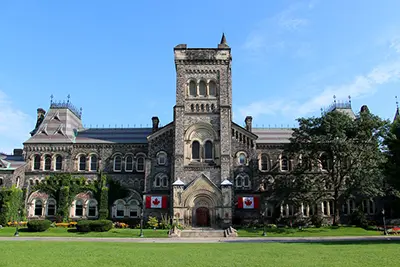
Global leader in research, innovation, and entrepreneurship.

Top-notch facilities and strong international presence.
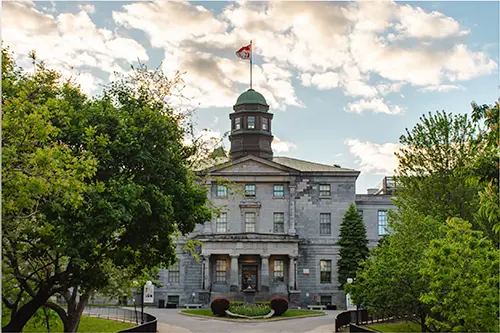
Known for medicine, law, and multicultural academic excellence.
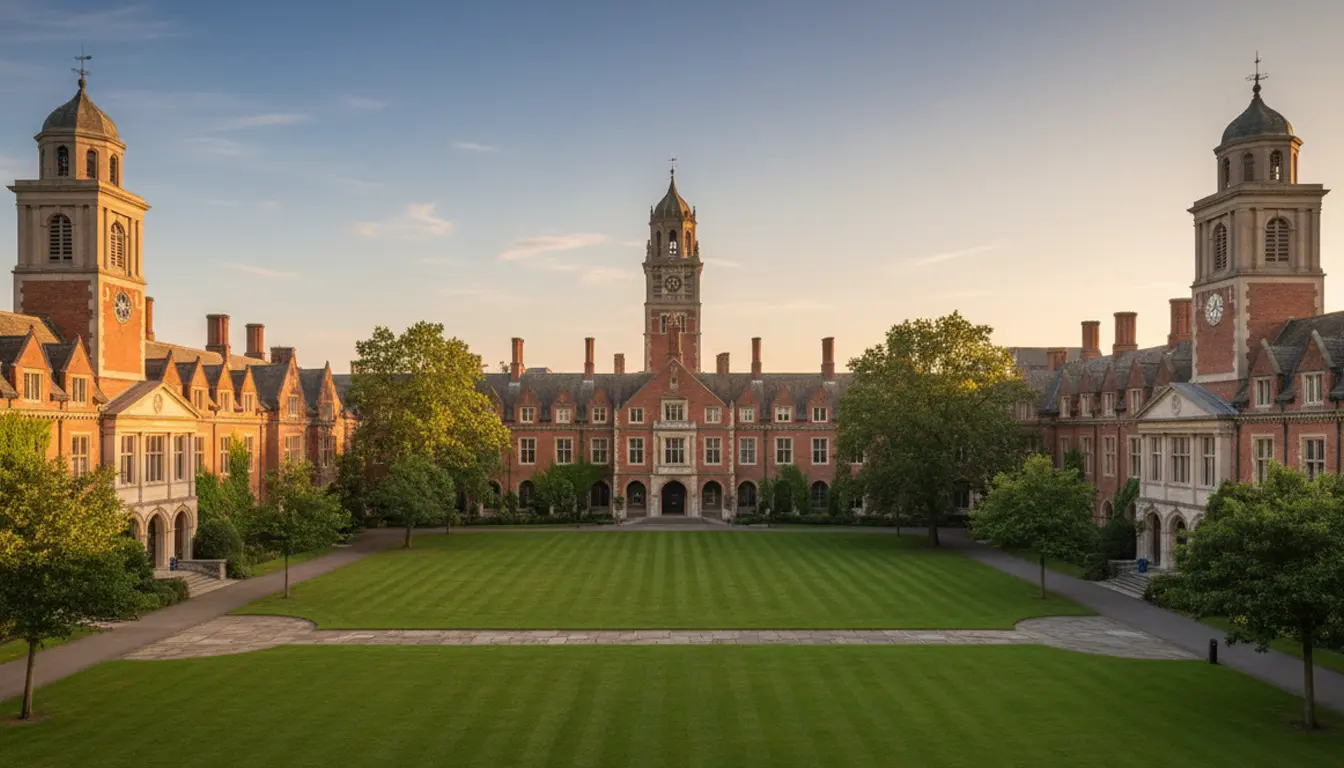
Premier institution for co-op programs and STEM innovation.

Highly ranked for medical and engineering programs.
Strong business, law, and social sciences faculties.
Popular for business, arts, and applied research.
Finance
Cost of Studying in Canada
(Tuition + Living Expenses)
Studying in Canada is often more affordable than the US or UK, while still offering high-quality education and post-study benefits. But planning your finances smartly is crucial — and it starts with understanding both tuition and living costs.
Tuition Fees
(Approximate Range)
Tuition fees vary by program and institution, but here’s what international students can expect
CAD 12,000 – CAD 18,000
(Average Annual Tuition)
₹7.4 – ₹11.2 Lakhs
(Approx. in INR)
Degree
CAD 15,000 – CAD 30,000
(Average Annual Tuition)
₹9.3 – ₹18.6 Lakhs
(Approx. in INR)
(Course-based)
CAD 18,000 – CAD 35,000
(Average Annual Tuition)
₹11.2 – ₹21.7 Lakhs
(Approx. in INR)
Programs
CAD 30,000 – CAD 55,000
(Average Annual Tuition)
₹18.6 – ₹34.1 Lakhs
(Approx. in INR)
Pro Tip: Public colleges and universities often offer lower tuition compared to private ones.
Co-op programs may include paid work terms that help offset costs.
Living Expenses
Living costs depend on the city (e.g., Toronto and Vancouver are more expensive), lifestyle, and accommodation type.
Here’s an average monthly breakdown:
CAD 12,000 – CAD 18,000
(Average Monthly Cost)
₹37,200 – ₹74,400
(Approx. in INR)
CAD 250 – CAD 400
(Average Monthly Cost)
₹15,500 – ₹24,800
(Approx. in INR)
CAD 100 – CAD 200
(Average Monthly Cost)
₹6,200 – ₹12,400
(Approx. in INR)
CAD 100 – CAD 200
(Average Monthly Cost)
₹6,200 – ₹12,400
(Approx. in INR)
Estimated Annual Living Cost: CAD 10,000 – 15,000
Approx. in INR: ₹6.2 – ₹9.3 Lakhs
Additional Costs
(Annual)
CAD 600 – CAD 900
(Estimated Cost)
₹37,200 – ₹55,800
(Approx. in INR)
(Annual)
CAD 500 – CAD 1,000
(Estimated Cost)
₹31,000 – ₹62,000
(Approx. in INR)
~CAD 235
(one-time)
~₹14,500
(Approx. in INR)
(One-way)
CAD 800 – CAD 1,500
(Estimated Cost)
₹49,600 – ₹93,000
(Approx. in INR)
Studying in Canada becomes easier to plan when you know exactly where your money will go.
That’s why we also offer a free budget calculator tool to help students estimate real costs based on program and location.
Scholarship
Scholarships for Studying in Canada
Worried about funding your education in Canada? The good news — Canada offers a wide range of merit-based, need-based, and institution-specific scholarships for international students. With the right guidance and timely planning, many students reduce their tuition burden significantly.
Types of Scholarships Available
Who It’s For
High academic performers, top scores in entrance exams
Who It’s For
Students from economically disadvantaged backgrounds
Who It’s For
Based on the subject (e.g., STEM, Business, Arts)
Who It’s For
Offered by individual institutions during admission
Who It’s For
Sponsored by Canadian government (e.g., Vanier, Banting)
Who It’s For
Offered by NGOs, corporations, or global academic partnerships
Popular Scholarships for International Students in Canada
Living costs depend on the city (e.g., Toronto and Vancouver are more expensive), lifestyle, and accommodation type.
Here’s an average monthly breakdown:
(Offered By)
Canadian Government
CAD 50,000/year for 3 years (PhD)
(OGS)
(Offered By)
Government of Ontario
CAD 10,000 – 15,000/year (Master’s/PhD)
Scholarship
(Offered By)
University of Toronto
Full tuition + books + accommodation
(Offered By)
York University
CAD 20,000 – 35,000/year
(Offered By)
UBC
Full or partial tuition + living
Scholarships
(Offered By)
Carleton University
Full tuition
Tip: Many Canadian universities automatically consider you for scholarships when you apply,
so early, well-prepared applications can boost your chances.
Why Choose Us
How The Study Connect Helps
- Identify scholarships based on your profile, program, and destination
- Help craft winning scholarship essays and statements
- Prepare documentation (e.g., financial proofs, academic records)
- Track deadlines and assist with submission
- Offer curated lists of scholarships for each intake and course
Trusted by world-class universities







Earning Opportunities
Work Opportunities for Students Want to Study in Canada
Canada not only offers a top-notch education but also allows international students to gain valuable work experience while studying and after graduation — helping them build professional skills, manage expenses, and even create a path to permanent residency.
Part-Time Work During Studies
International students in Canada with a valid study permit can work up to 24 hours per week during academic sessions and full-time during scheduled breaks (like summer or winter holidays).
Where Can You Work?
Library assistant, research aide, cafeteria staff
Retail, customer service, internships
Program-integrated, paid work terms
Content creation, design (check eligibility first)
Some programs include mandatory co-op terms — which are excellent for gaining real-world experience and earning while you study.
Average Student Earnings
CAD 14 – CAD 20
(varies by province and job type)
CAD 800 – CAD 1,200
(for 20 hrs/week jobs)
Many students use part-time income to cover food, transport, and part of their rent.
Requirements for Working While Studying
To be eligible, students must:
- Have a valid study permit
- Be enrolled full-time in a Designated Learning Institution (DLI)
- Be in a program that’s at least 6 months long and leads to a degree/diploma/certificate
- Apply for a co-op work permit (if your program includes a mandatory co-op/internship)
Post-Study Work Opportunities in Canada
After graduation, Canada offers robust pathways to work and even settle long-term.
Post-Graduation Work Permit (PGWP)
PGWP is an open work permit — you can work for any employer across Canada.
This experience is valuable for PR applications through Express Entry or Provincial Nominee Programs (PNPs).
Job Sectors in Demand
Software Developer, Data Analyst
Lab Technician, Care Aide
Analyst, Marketing Assistant
Mechanical, Civil, Electrical Engineers
Supervisors, Front-desk staff, Baristas
Want to learn how to legally work during your studies and maximize your job options after graduation?
How to apply
Application Process for Studying in Canada
Applying to study in Canada is a step-by-step journey that requires clarity, preparation, and timely execution. Here’s what it typically looks like:
1. Research & Shortlisting
- Identify programs and institutions that align with your academic background, career goals, and budget.
- Use tools like the Country Match Quiz from The Study Connect to narrow down your best-fit options.
2. Prepare Required Documents
- Academic Transcripts
- Valid Passport
- English Language Test Scores (IELTS/TOEFL/PTE)
- Statement of Purpose (SOP)
- Letters of Recommendation (LORs)
- Resume or CV (for postgraduate applicants)
- Portfolio (for creative/design courses, if applicable)
3. Submit Applications
- Identify programs and institutions that align with your academic background, career goals, and budget.
- Use tools like the Country Match Quiz from The Study Connect to narrow down your best-fit options.
4. Receive Offer Letter
- Academic Transcripts
- Valid Passport
- English Language Test Scores (IELTS/TOEFL/PTE)
- Statement of Purpose (SOP)
- Letters of Recommendation (LORs)
- Resume or CV (for postgraduate applicants)
- Portfolio (for creative/design courses, if applicable)
5. Financial Preparation
- Identify programs and institutions that align with your academic background, career goals, and budget.
- Use tools like the Country Match Quiz from The Study Connect to narrow down your best-fit options.
6. Apply for Study Permit (Visa)
- Academic Transcripts
- Valid Passport
- English Language Test Scores (IELTS/TOEFL/PTE)
- Statement of Purpose (SOP)
- Letters of Recommendation (LORs)
- Resume or CV (for postgraduate applicants)
- Portfolio (for creative/design courses, if applicable)
7. Plan for Departure
- Identify programs and institutions that align with your academic background, career goals, and budget.
- Use tools like the Country Match Quiz from The Study Connect to narrow down your best-fit options.
Need Help Navigating Your Application?
and speak with our expert who can guide you step-by-step.
How We Help
How The Study Connect Helps with Your Canada Application
We don’t just send you a list — we understand your goals, academic strengths, and financial limits to match you with programs that fit your entire profile.
Support
From brainstorming your Statement of Purpose to final proofreading, we guide you through every word — so your documents reflect clarity, intent, and individuality.
Coaching
Our team helps you prepare a foolproof study permit application, with document checklists, GIC guidance, and unlimited mock interview support until you feel ready.
Never miss an important date. We maintain a shared tracker for each student, updating you on approaching deadlines, requirements, and next steps
Help
We help you estimate realistic budgets, explore education loan options, and connect you with safe, verified forex and remittance services — removing financial guesswork.
Guidance
From travel insurance to accommodation tips, job-readiness, and what to pack — we prepare you for both departure and arrival, so you feel confident from Day 1 in Canada.
Thousands Have Done It With Our Help.
You Can Too.
and let us guide you — every step of the way.
FAQs
Frequently Asked Questions
Studying in Canada
We’ve answered thousands of questions from students just like you. Here are some of the most common ones — with clear, no-fluff answers.
1. What are the basic requirements to study in Canada?
- A valid passport
- Proof of acceptance from a Designated Learning Institution (DLI)
- Proof of funds (tuition + living expenses)
- English proficiency test scores (IELTS/TOEFL)
- A well-written SOP and academic transcripts
- A valid study permit (visa)
2. Can I study in Canada without IELTS?
3. How much bank balance is required for a Canadian study visa?
- CAD 10,000 in a Guaranteed Investment Certificate (GIC)
- Proof of first-year tuition payment
- Additional funds if your living expenses exceed CAD 10,000
4. How long does the Canada student visa process take?
To study in Canada as an international student, you typically need:
- A valid passport
- Proof of acceptance from a Designated Learning Institution (DLI)
- Proof of funds (tuition + living expenses)
- English proficiency test scores (IELTS/TOEFL)
- A well-written SOP and academic transcripts
- A valid study permit (visa)
5. Can I bring my spouse or dependents while studying?
- Your spouse may be eligible for an open work permit
- You may apply for dependent visas for children
Each case is unique, so it’s important to evaluate eligibility beforehand.
6. Are scholarships available for Indian students in Canada?
- Vanier Canada Graduate Scholarships
- University-specific entrance awards
- Province-specific funding schemes
We help you shortlist scholarships based on your profile.