
Study in Austria
World-Class Education. Historic Excellence. Gateway to Europe.
- Home
- Study in Austria

Study In Austria
Dreaming of Studying in Austria?
- Home to prestigious institutions such as the University of Vienna, Vienna University of Technology (TU Wien), and Medical University of Graz.
- Tuition fees in Austria are among the most affordable in Western Europe, with many public universities offering low-cost or even free education for EU and select non-EU students.
- Increasing availability of English-taught Bachelor’s, Master’s, and Ph.D. programs—especially in Science, Business, Engineering, Arts, and Environmental Studies.
- Strong career pathways in Technology, Renewable Energy, Business, Hospitality, and International Relations.
- Post-study work options and access to the broader European job market (EU/Schengen Area).
- Consistently ranked for safety, quality of life, and cultural richness.
Education
Education System in Austria
Historic Excellence Meets Modern Innovation—Globally Respected, Career-Ready Education.
Austria’s education system is one of the oldest and most prestigious in Europe, known for its academic rigour, research focus, and affordability. With a growing number of English-taught programs and strong international networks, Austria offers an excellent pathway for students aiming for global careers in Europe and beyond.
Types of Higher Education Institutions in Austria
Research-focused, offering Bachelor’s, Master’s, and Ph.D. programs. Example: University of Vienna, TU Wien, University of Graz.
Professionally oriented, offering practical and career-driven degrees. Example: FH Joanneum, IMC Krems, FH Wien der WKW.
Smaller institutions offering niche programs, often in Business, Arts, or Technology. Example: MODUL University Vienna.
Specialise in teacher training and pedagogy.
All degrees are fully aligned with the Bologna Process (ECTS credits) and are globally recognised.
Duration:
Typically 3 years (180 ECTS)Language:
Many programs inGerman, but English-taught Bachelor’s options are growing in fields like Business, IT, and Tourism.
Structure:
Mix of theoretical learning, project work, and internships (especially in Fachhochschulen).
Popular Fields:
Business, Computer Science, Tourism & Hospitality, Engineering, Media & Design.
Fachhochschulen are ideal for students looking for applied learning and job-readiness.
Duration: Typically 1-2 years (60–120 ECTS)Language:
A wide range of Master’s degrees are now offered in English, especially in:Environmental Sciences,Renewable Energy,Digital Marketing,Artificial Intelligence,Public Health & Social Policy.Structure:
Combines coursework, seminars, and research with high practical relevance.
Austrian Master’s programs are highly respected across Europe for employability and innovation.
Duration: Typically 3–4 years Language:Many Ph.D. programs are conducted in English, particularly in STEM, Business, and International Relations.Funding: Often fully funded with research stipends for strong applicants.Austria’s universities are research powerhouses, particularly in Technology, Life Sciences, and Sustainability.
Credit System & Grading
Bachelor’s: 180 ECTS | Master’s: 60–120 ECTS | Ph.D.: Research-based, no fixed ECTS
Grading Scale: 1 (Excellent) to 5 (Fail), with 4 as the minimum pass.
Intakes in Austria
(Starts October; apply by March–May (non-EU))
Major intake for all study levels
(Starts March/April; apply by October–December)
Fewer program options but still available in some fields
The Winter Semester (October intake) offers maximum program availability and scholarship options.
Pro Tips for Navigating the Austrian Education System
- Public universities are more research and theory-driven.
- Applied Sciences (FH) institutions are better for practical, employment-focused learning.
- If you’re open to learning basic German, you can access more programs and local job options—though many Master’s programs are fully in English.
Confused about which Austrian university or program is right for you?
Let The Study Connect help you shortlist the perfect-fit options and build your study plan step by step.
Or start now:
Courses
Popular Courses and Top Universities to Study in Austria
Academic Excellence. Industry-Aligned Programs. Pathways to European Careers.
Austria is globally respected for its strengths in Research, Technology, Business, Arts, and Sustainability. With a strong economy and its central European location, Austria offers excellent career prospects—not just within the country but across the EU and Schengen region.
Here’s a look at the most sought-after courses and top universities that attract international students from around the world.
Popular Courses Among International Students in Austria
Austria is home to thriving industries and multinational companies, making it an ideal destination for Business and Management studies. Popular Job Roles: Business Analyst, Marketing Manager, Project Manager, Policy AdvisorTop Employers: Red Bull, Swarovski, OMV, Raiffeisen Bank, UN Offices in ViennaMany programs include internships and strong corporate connections
Austria leads in Mechanical Engineering, Automotive Tech, Smart Manufacturing, and Renewable Energy Solutions. Popular Job Roles: Mechanical Engineer, Industrial Designer, Sustainability ConsultantTop Employers: AVL List, Siemens Austria, Verbund AG, Andritz Group TU Wien is globally ranked for Engineering and Technical Sciences.
With its Alpine tourism, world-class hospitality, and event-rich culture, Austria is a top choice for students pursuing hospitality management, event planning, and tourism studies. Popular Job Roles: Hotel Manager, Event Planner, Tourism ConsultantTop Employers: Marriott, Hilton, Vienna Convention Bureau, luxury resorts Programs often include paid internships and international exposure.
Austria’s growing IT and startup ecosystem offers strong demand for tech graduates in fields like Artificial Intelligence, Software Engineering, and Cybersecurity. Popular Job Roles: Developer, Data Scientist, AI Engineer, IT ConsultantTop Employers: Microsoft Austria, IBM Austria, tech startups, financial services firmsMany programs include real-world projects, hackathons, and startup incubation.
Austria is a leader in green innovation, circular economy, and social development—offering programs in Environmental Management, Public Health, and Sustainability. Popular Job Roles: Environmental Analyst, Policy Researcher, NGO Project ManagerTop Employers: UN Agencies, GreenTech Startups, Research Institutes, City Councils
Home to Mozart, Beethoven, and Gustav Klimt, Austria is globally revered for its contribution to the arts, classical music, fashion, and design. Popular Job Roles: Musician, Graphic Designer, Arts Administrator, Film ProducerTop Employers: Vienna Philharmonic, MuseumsQuartier, Film Studios, Design AgenciesVienna and Salzburg are global cultural hubs offering world-class creative education.
Top Universities in Austria for International Students

Known For Humanities, Law, Political Science, Business
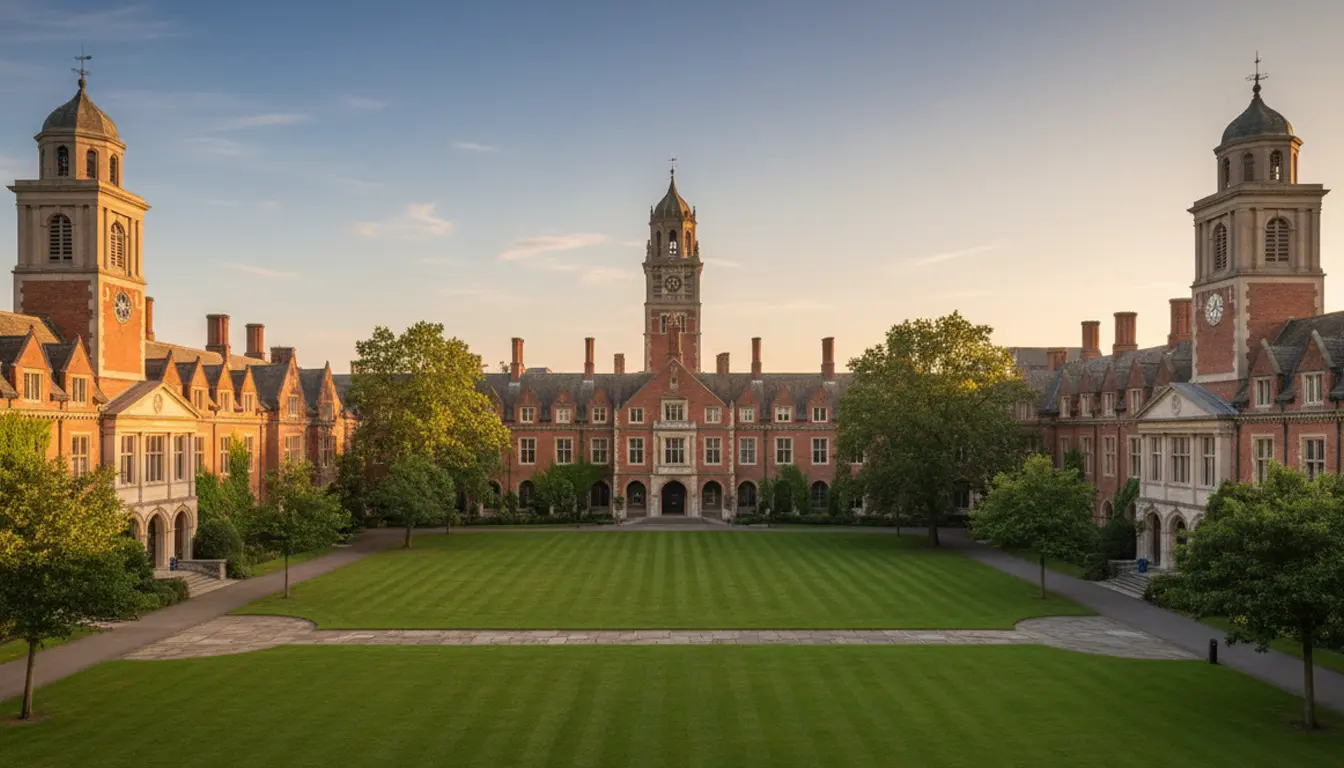
Known For Engineering, Computer Science, Architecture
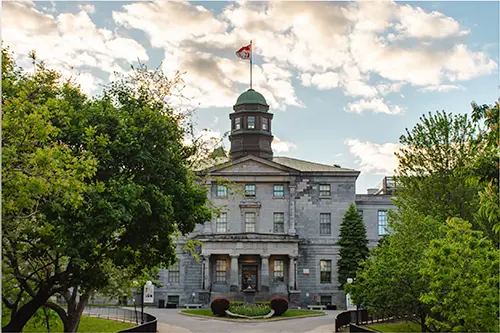
Known For Environmental Science, Tourism, Sports Science

Known For Mechanical Engineering, IT, Renewable Energy
Known For AI, Digital Business, Medical Engineering
Known For Communication, Arts, Psychology, Linguistics
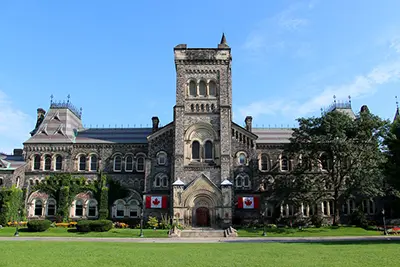
Known For Hospitality, Tourism, Business Management
Known For Applied Engineering, Media, International Management
Known For Life Sciences, Business, Digital Transformation
Known For Business, International Management, Sustainability
Austrian universities are globally respected, affordable, and well-connected to industries—making them ideal for international students.
Pro Tips Before Shortlisting Austrian Universities
- Public universities are ideal for research-driven or academic careers.
- Fachhochschulen (Applied Sciences) are better for those wanting practical training and job readiness.
- Consider whether you prefer a German-taught or English-taught program depending on your field and goals.
Confused about which Austrian course or university is right for you?
Let The Study Connect help you compare options, shortlist the best universities, and build a career-focused study plan.
Or start here:
Finance
Tuition Fees and Cost of Living to Study in Austria
High-Quality European Education That Won’t Break the Bank—Plan Smart, Study Stress-Free.
Austria offers one of the most affordable pathways to world-class education in Western Europe. With low tuition fees at public universities, a reasonable cost of living, and generous work opportunities, Austria is an excellent choice for students looking for quality education with value for money.
At The Study Connect, we help you estimate costs, explore scholarships, and plan your finances every step of the way.
Tuition Fees (Annual Averages for Non-EU Students)
Public Universities (EUR)
€726 – €3,000/year
Applied Sciences (FH) Universities (EUR)
€2,000 – €7,500/year₹65,000 – ₹6.5 lakhs/year
(Approx. in INR)
€726 – €3,000/year
€726 – €3,000/year
Applied Sciences (FH) Universities (EUR)
€3,000 – €8,500/year₹65,000 – ₹7.5 lakhs/year
(Approx. in INR)
Public Universities (EUR)
€10,000 – €25,000/year
Applied Sciences (FH) Universities (EUR)
Typically at private institutions₹9 lakhs – ₹22 lakhs/year
(Approx. in INR))
Public Universities (EUR)
Typically no tuition fee
Applied Sciences (FH) Universities (EUR)
Minimal student union fee (~€20–€50/semester)Very low costs + research funding possible
(Approx. in INR)
Austria’s public university tuition fees are among the lowest in Europe for non-EU students.
Many universities offer waivers or reduced fees for students from specific countries or through scholarship programs.
Living Expenses (Monthly Averages)
Austria is generally more affordable than countries like Germany, France, or the UK, especially outside Vienna.
€300 – €600
(Average Monthly Cost in EUR)
₹27,000 – ₹55,000
(Approx. in INR)
€250 – €350
(Average Monthly Cost in EUR)
₹22,000 – ₹32,000
(Approx. in INR)
€25 – €50
(Average Monthly Cost in EUR)
₹2,200 – ₹4,500
(Approx. in INR)
€50 – €100
(Average Monthly Cost in EUR)
₹4,500 – ₹9,000
(Approx. in INR)
€60 – €70
(Average Monthly Cost in EUR)
₹5,500 – ₹6,300
(Approx. in INR)
Estimated Annual Living Cost:
€8,000 – €12,000 → ₹7.2 lakhs – ₹10.5 lakhs per year.
Cities like Graz, Linz, or Innsbruck are cheaper than Vienna.
Additional One-Time Costs
€150 – €200
(Estimated Cost in EUR)
₹13,000 – ₹18,000
(Approx. in INR)
€500 – €700
(Estimated Cost in EUR)
₹45,000 – ₹63,000
(Approx. in INR)
€300 – €500/year
(Estimated Cost in EUR)
₹27,000 – ₹45,000/year
(Approx. in INR)
Many universities offer subsidised or free access to libraries, study materials, and public transport discounts.
Part-Time Work Opportunities in Austria
International students can work part-time to cover living expenses:
Up to 20 hours/week during term; full-time during vacations
€9 – €15/hour → ₹800 – ₹1,300/hour
€600 – €1,200 → ₹55,000 – ₹1.1 lakhs/month
Popular student jobs: Retail, Hospitality, Admin Support, Research Assistantships.
Why Choose Us
How The Study Connect Helps You Plan Your Austria Study Budget
- Personalised cost estimation based on your target city and course
- Scholarship search and application guidance to lower tuition fees
- Education loan advice and sponsor documentation for visas
- Part-time work planning and income optimisation
Scholarship
Scholarships for Studying in Austria
Affordable Education Made Even Better—Unlock Scholarships and Financial Aid for a Stress-Free Study Journey.
Austria already offers some of the lowest tuition fees in Western Europe, but with the right scholarship strategy, you can further reduce your costs—sometimes even covering tuition, living expenses, and more.
At The Study Connect, we help you identify, apply, and win the right scholarships—maximising your chances of studying in Austria without financial stress.
Types of Scholarships Available in Austria
Who It’s For
Offered by Austrian Development Cooperation (ADC), OeAD, and other state bodies for non-EU students
Who It’s For
Merit-based or need-based grants offered by individual Austrian universities
Who It’s For
Fully funded doctoral or research assistant positions
Who It’s For
For exchange semesters, joint Master’s programs, or dual degrees in the EU
Who It’s For
Scholarships from Austrian companies or charitable foundations
Some scholarships cover full tuition + living expenses, while others offer partial fee waivers or travel grants.
Popular Scholarships for Indian & International Students in Austria
(Offered By)
Austrian Agency for Education & Internationalisation
Monthly stipend + tuition waiver + insurance
(Offered By)
OeAD & Austrian Ministry of Science
For research stays, Master’s, and Ph.D. students
(Offered By)
University of Vienna
Partial or full tuition fee reductions
(Offered By)
Austrian & US partnership
Research mobility funding in Engineering and Sciences
(Offered By)
Individual universities
Partial tuition fee waivers + internship opportunities
(Offered By)
EU-funded + Austrian partners
Full tuition + living allowance + travel grants
Many scholarships are automatically considered with your university application, while others require separate applications and essays.
Why Choose Us
How The Study Connect Helps You Secure Scholarships for Austria
- Identifying the right-fit scholarships based on your course, profile, and goals
- Crafting winning Scholarship Essays and Motivation Letters
- Editing your Academic CV, Letters of Recommendation, and documentation
- Tracking deadlines and submitting error-free applications
Pro Tips for Winning Scholarships in Austria
- Apply early—scholarships are limited and highly competitive.
- Highlight your academic excellence, social impact, or sustainability goals—areas Austrian funders value.
- For research/Ph.D. roles, a clear research proposal and supervisor contact are key.
Trusted by world-class universities

Earning Opportunities
Work Opportunities for Students Want to Study in Austria
Earn While You Learn. Gain European Work Experience. Build Your Global Career in Austria.
Austria offers international students not only affordable education but also ample opportunities to work part-time during studies and to pursue full-time employment after graduation. With a strong economy, international industries, and access to the EU job market, Austria is an ideal launchpad for a global career.
Part-Time Work During Studies
International students in Austria are allowed to work alongside their studies, with conditions depending on their nationality and type of residence permit.
Up to 20 hours/week during academic term; full-time during vacations
For non-EU/EEA students: employer must apply for a work permit (Beschäftigungsbewilligung)—usually a simple process
€9 – €15/hour → ₹800 – ₹1,300/hour
€600 – €1,200 → ₹55,000 – ₹1.1 lakhs/month
Many universities help students find on-campus or off-campus jobs through career centers and job boards.
Where Can You Work?
Library assistant, IT support, research assistant
Hotels, cafes, restaurants—especially in tourist cities
Shops, supermarkets, call centers
With companies in fields like Business, IT, Engineering, or Design
Design, content writing, tech support (with legal compliance)
Austria’s hospitality, tourism, and green energy sectors offer high part-time demand, especially in cities like Vienna, Salzburg, Innsbruck, and Graz.
Post-Study Work Opportunities in Austria
Austria offers attractive options for graduates who wish to stay and work:
After graduation, non-EU/EEA students can apply for a 12-month visa to find a job matching their qualification.
For high-skilled, high-income positions—valid across the EU.
For those with a job offer that meets minimum salary thresholds—this leads to temporary or permanent residence.
Austria faces skill shortages in sectors like IT, Engineering, Healthcare, and Green Technologies—creating strong demand for international graduates.
In-Demand Job Sectors in Austria
Process Engineer, Renewable Energy Analyst
Software Developer, AI Specialist, Data Analyst
Hotel Manager, Event Planner, Travel Consultant
Analyst, Accountant, Operations Manager
Designer, Digital Marketer, Media Specialist
Graduates can build careers in Austria’s strong industries or use their Austrian degree to access the wider European job market.
Why Choose Us
How The Study Connect Helps You Maximise Work & Career Opportunities
- CV and LinkedIn optimisation for Austrian employers
- Internship search and networking strategiesPost-study visa guidance and long-term career planning
- Job interview prep tailored to Austrian work culture
How to apply
Application Process for Studying in Austria
A Step-by-Step Guide to Securing Admission and Visa for Your Austrian Education Journey.
Applying to Austrian universities is straightforward but requires careful planning, timely action, and accurate documentation. At The Study Connect, we help you navigate every step—from shortlisting to visa—ensuring your application is smooth, successful, and stress-free.
Your Austria Study Application Journey in 7 Simple Steps
1. Research & Shortlisting
- Your academic background and career aspirations
- Program availability in English vs. German
- Tuition affordability and scholarship potential
- Targeting cities like Vienna, Graz, Salzburg, Linz, or Innsbruck based on lifestyle and work prospects
2. Prepare Required Documents
Universities in Austria typically require the following documents for admission and visa processing.
Academic transcripts and certificates needed to verify eligibility for admission (10th, 12th, and degree marksheets).
Valid passport needed for identity verification and visa processing.
Language proficiency proof needed to meet program language requirements (IELTS, TOEFL, or equivalent for English-taught programs; German A2/B1 for German-taught programs).
Motivation Letter (SOP) needed to explain your academic goals, interests, and reasons for choosing the program.
Letters of Recommendation (LORs) needed for Master’s, Ph.D., or competitive programs to validate your academic or professional performance.
CV or Resume needed for postgraduate or job-linked programs to outline academic background and achievements.
Portfolio (if applicable) needed for Design, Architecture, Arts, or Media programs to showcase creative work.
Financial proof needed for visa processing (bank statement, education loan sanction, or sponsor letter).
We help you write, edit, and polish every document for maximum clarity and impact.
3.Submit University Applications
Application processes vary depending on the institution:
Application Type | Platform |
Public Universities | Apply via University website + submit documents by post or online |
Fachhochschulen (FH – Applied Sciences) | Direct applications via university admissions portal |
Private Universities | Direct submission through university websites |
We assist you with:
- Document preparation, application form filling, uploads, and payment of application fees (usually €20–€50 per university)
- Deadline tracking and status follow-up
4. Receive Offer Letter & Confirm Admission
Once accepted, you will receive:
- Conditional Offer Letter → Requires pending documents (final marksheets, language scores).
- Unconditional Offer Letter → Ready for next steps including visa.
We help you evaluate multiple offers to select the right one based on future job opportunities, scholarships, and lifestyle.
5. Financial Preparation & Visa Documentation
To study in Austria, you’ll need to apply for a Visa D and Residence Permit with the required supporting documents.
Proof of funds showing approximately €11,000–€13,000 in a blocked account or a sponsor or loan letter.
Health insurance arranged before arrival.
Accommodation proof such as a booking confirmation or housing letter.
University offer letter required for the visa application.
Police clearance certificate, usually mandatory.
We help you with financial documentation, loan guidance, and housing advice to meet Austrian visa standards.
6. Apply for Austria Student Visa (D Visa + Residence Permit)
Visa Process (with our guidance):
- Apply at Austrian Embassy or VFS in your home country.
- Submit documents, pay visa fee (~€150–€200).
- Attend biometrics and interview (if required).
- Visa decision within 4–8 weeks.
- Upon arrival: Apply for residence permit at local Austrian immigration office.
We ensure error-free documentation, appointment booking, and full compliance.
7. Plan for Departure & Arrival in Austria
Get ready for your move to Austria by organizing your travel, housing, and essential documents in advance for a smooth transition.
Book your flight early to secure lower fares.
Arrange housing by applying for student dorms or private accommodation.
Get health insurance, which is mandatory from your first day in Austria.
Pack essentials such as weather-appropriate clothing, power adapters, and important documents.
Attend university orientation and complete your local registration after arrival.
We provide a complete pre-departure checklist, city-specific guides, and on-arrival support to help you settle in Austria confidentl
The Study Connect—Your Trusted Guide for Studying in Austria
We support you with:
- End-to-end university application management
- Document preparation and editing
- Scholarship and funding strategy
- Visa filing and pre-departure assistance
- Post-arrival career and work guidance
Or start now:
How We Help
How The Study Connect Helps with Your Austria Application
Your Study Abroad Journey—Simplified, Structured, and Supported Every Step of the Way.
Planning to study in Austria involves much more than just choosing a university. From understanding the education system to managing applications, scholarships, visas, and career pathways—the process can feel overwhelming. That’s where The Study Connect steps in.
We don’t just help you apply—we help you succeed.
Here’s How We Support You at Every Step:
- Your academic background and strengths
- Career goals and industry trends in Austria and Europe
- Your budget, funding opportunities, and cost of living
- Your language comfort (English vs. German-taught options)
- Write high-impact Motivation Letters (SOPs) that reflect your ambitions
- Structure and polish Letters of Recommendation (LORs)
- Build a professional academic CV or Resume
- Draft winning scholarship essays to boost your funding chances
We take the guesswork out of applications:
- Managing university portals or postal submissions
- Helping with document uploads, fee payments, and interview prep
- Live progress updates so you always know what’s done and what’s next
No missed deadlines. No last-minute surprises.
- Identify merit-based, need-based, and country-specific scholarships
- Write strong scholarship applications and essays
- Plan your education loan, sponsor documents, and visa financial proofs
- Submit error-free visa applications
- Prepare correct financial and accommodation proofs
- Get guidance on health insurance, flights, packing, and arrival formalities
- We help you build an Austrian-style
- Guide you on internship search and post-study work options
- Prepare you for residence permits and PR pathways
- Dedicated 1:1 WhatsApp and call-based guidance
- Live progress tracking and deadline reminders
- Emergency support when you need it most
Start Your Austria Study Journey with The Study Connect
Or take the first step:
FAQs
Frequently Asked Questions
Studying in Austria
We’ve answered thousands of questions from students just like you. Here are some of the most common ones — with clear, no-fluff answers.
1. What are the basic requirements to study in Canada?
- A valid passport
- Proof of acceptance from a Designated Learning Institution (DLI)
- Proof of funds (tuition + living expenses)
- English proficiency test scores (IELTS/TOEFL)
- A well-written SOP and academic transcripts
- A valid study permit (visa)
2. Can I study in Canada without IELTS?
3. How much bank balance is required for a Canadian study visa?
- CAD 10,000 in a Guaranteed Investment Certificate (GIC)
- Proof of first-year tuition payment
- Additional funds if your living expenses exceed CAD 10,000
4. How long does the Canada student visa process take?
To study in Canada as an international student, you typically need:
- A valid passport
- Proof of acceptance from a Designated Learning Institution (DLI)
- Proof of funds (tuition + living expenses)
- English proficiency test scores (IELTS/TOEFL)
- A well-written SOP and academic transcripts
- A valid study permit (visa)
5. Can I bring my spouse or dependents while studying?
- Your spouse may be eligible for an open work permit
- You may apply for dependent visas for children
Each case is unique, so it’s important to evaluate eligibility beforehand.
6. Are scholarships available for Indian students in Canada?
- Vanier Canada Graduate Scholarships
- University-specific entrance awards
- Province-specific funding schemes
We help you shortlist scholarships based on your profile.