Study in Switzerland
Excellence in Education. Global Career Pathways. A Gateway to Innovation and Quality of Life.
- Home
- Study in Switzerland

Study in Switzerland
Dreaming of Studying in Switzerland?
- Home to globally top-ranked institutions like ETH Zurich, École Polytechnique Fédérale de Lausanne (EPFL), University of Geneva, and Swiss Hotel Management Schools.
- Programs available in English, German, French, or Italian —with a growing number of fully English-taught Bachelor’s and Master’s programs.
- Strong focus on research, innovation, sustainability, and practical application.
- Exceptional career outcomes in Finance, Hospitality, Pharma, Engineering, International Relations, and Sustainability.
- Post-study work pathways through Switzerland’s residence permit system and access to the broader European job market.
- Consistently ranked as one of the safest, cleanest, and most livable countries in the world.
Studying in Switzerland is about more than just academics—it’s about building an international career, developing a global mindset, and experiencing a world-class lifestyle.
We help you with university selection, scholarships, visa support, and career planning—every step of the way.
Education
Education System in Switzerland
Globally Recognised Degrees. Cutting-Edge Research. Designed for Global Employability.
Switzerland is consistently ranked as one of the best education systems in the world, known for its academic excellence, innovation-driven research, and practical industry connections. With four official languages and a high concentration of international organisations and multinational companies, Switzerland offers both academic prestige and real-world relevance.
Whether you aim for a Bachelor’s, Master’s, or Doctorate, Switzerland’s system ensures that your education is globally respected and career-focused.
Duration:
Typically 3 years (180 ECTS credits)
Structure:
Combines theoretical learning, practical projects, and industry placements.
Language:
Many programs are taught in English at private universities and increasingly at public universities, particularly in Business, Hospitality, Engineering, and Social Sciences.Popular Fields:
Business Administration, Hospitality Management, Engineering, International Relations, Computer Science.Many Bachelor’s programs offer dual degrees, internships, or study abroad options.
Duration: Typically 1.5 to 2 years (90–120 ECTS credits)
Structure:
Strong focus on research, innovation, and industry collaboration.
Language:
A growing number of English-taught Master’s programs are available across Swiss universities, especially in:
- Finance & Banking
- Sustainable Development
- Biotechnology & Life Sciences
- Data Science & AI
- International Business & Diplomacy
Duration: Typically 3–5 years
(research-intensive)
Language: Predominantly English-taught, especially in technical, scientific, and business fields. Funding: Many Many Ph.D. positions in Switzerland come with full funding and stipends, often tied to EU research programs or industry partnerships.
Switzerland ranks among the top countries for research output per capita, offering exceptional prospects for academic and R&D careers.
Types of Higher Education Institutions in Switzerland
(Cantonal Universities & Federal Institutes)
Academic and research-focused institutions offering Bachelor’s, Master’s, and Ph.D. degrees. Examples: ETH Zurich, University of Zurich, University of Geneva.
(UAS)
Career-oriented institutions offering practical, employment-focused degrees. Examples: HES-SO, FHNW, ZHAW.
Hospitality Schools
Internationally renowned for Business, Hospitality, and Luxury Brand Management. Examples: Glion, Les Roches, EU Business School, IMI.
All degrees follow the Bologna Process (ECTS credits) and are globally recognised.
Credit System & Grading
Switzerland uses the European Credit Transfer System (ECTS):
Bachelor’s: 180 ECTS | Master’s: 90–120 ECTS | Ph.D.: Variable (research-based)
Grading typically follows a 1–6 scale, with 4 as the pass grade.
Continuous assessment, project work, and research papers are commonly used alongside exams.
Intakes in Switzerland
Switzerland primarily offers two academic intakes for international students:
September start; apply by January–April
Most programs, including Bachelor’s and Master’s degrees
February start; apply by September–October
Available mainly in Business, Hospitality, and select Master’s programs
Autumn (September) is the primary intake for most universities.
Pro Tips for Switzerland Intakes
- Apply 8–10 months in advance for competitive programs, especially at ETH Zurich, EPFL, and top hospitality schools.
- Consider learning basic German, French, or Italian (depending on the region) to boost job opportunities and social integration.
Unsure which Swiss education pathway is right for you?
Let The Study Connect help you choose the right course, university, and career pathway—step by step.
Courses
Popular Courses and Top Universities to Study in Switzerland
Globally Respected Degrees. Industry-Relevant Programs. Career-Ready Graduates.
Switzerland is renowned for academic precision, innovation, and global employability. From Finance and Hospitality to cutting-edge Tech, Life Sciences, and Sustainability, Swiss universities offer programs that are not only prestigious but also highly aligned with real-world industry needs.
Here’s a look at the most sought-after courses and top universities that consistently attract international students from around the world.
Popular Courses Among International Students in Switzerland
With its reputation as a global financial hub and home to the headquarters of many multinational corporations and international organisations, Switzerland is ideal for students pursuing careers in Finance, Banking, Consulting, and Global Trade.Popular Job Roles: Financial Analyst, Investment Banker, Business Consultant, Marketing Manager Top Employers: Credit Suisse, UBS, Nestlé, Rolex, World Trade Organization Many business schools includeinternships, exchange programs, and direct industry partnerships.
Sustainable Technologies
Switzerland’s universities lead in Engineering, Robotics, Clean Energy, and Smart Manufacturing, driven by innovation and R&D funding. Popular Job Roles: Mechanical Engineer, Energy Systems Designer, Robotics Engineer, Industrial Consultant Top Employers: ABB, Siemens, Swiss Federal Railways, AlstomETH Zurich and EPFL are ranked among the world’s top technical universities.
Data Science & Artificial Intelligence
With growing global demand for tech talent, Switzerland is investing heavily in AI, FinTech, Cybersecurity, and Big Data. Popular Job Roles: Data Scientist, Software Engineer, Cybersecurity Analyst, AI ResearcherTop Employers: Google Zurich, IBM Research, Swisscom, LogitechPrograms often include research projects, startup incubation, and international exposure.
Brand Management
Switzerland is the birthplace of modern hospitality education, offering world-leading programs in Hotel Management, Tourism, and Luxury Goods. Popular Job Roles: Hotel Manager, Event Planner, Brand Manager, Luxury Retail ExecutiveTop Employers: Ritz-Carlton, Four Seasons, LVMH, Kempinski, global hotel groupsSwiss hospitality degrees come with strong placement networks and high global demand.
& Healthcare
Switzerland is a global centre for Pharmaceuticals, Biotech, and Life Sciences, offering outstanding opportunities for research and industry careers. Popular Job Roles: Biotech Researcher, Clinical Data Manager, Public Health SpecialistTop Employers: Novartis, Roche, Lonza, Swiss Red Cross, WHO
Sustainability & Circular Economy
As a leader in climate innovation, renewable energy, and environmental protection, Switzerland offers cutting-edge programs for those passionate about green careers.
Popular Job Roles: Sustainability Analyst, Environmental Consultant, Climate Policy Advisor
Top Employers: UN Environment Programme, Swiss Energy Agencies, Sustainability-focused startups
Strong demand for sustainability professionals across Europe and beyond.
Top Universities in Switzerland for International Students
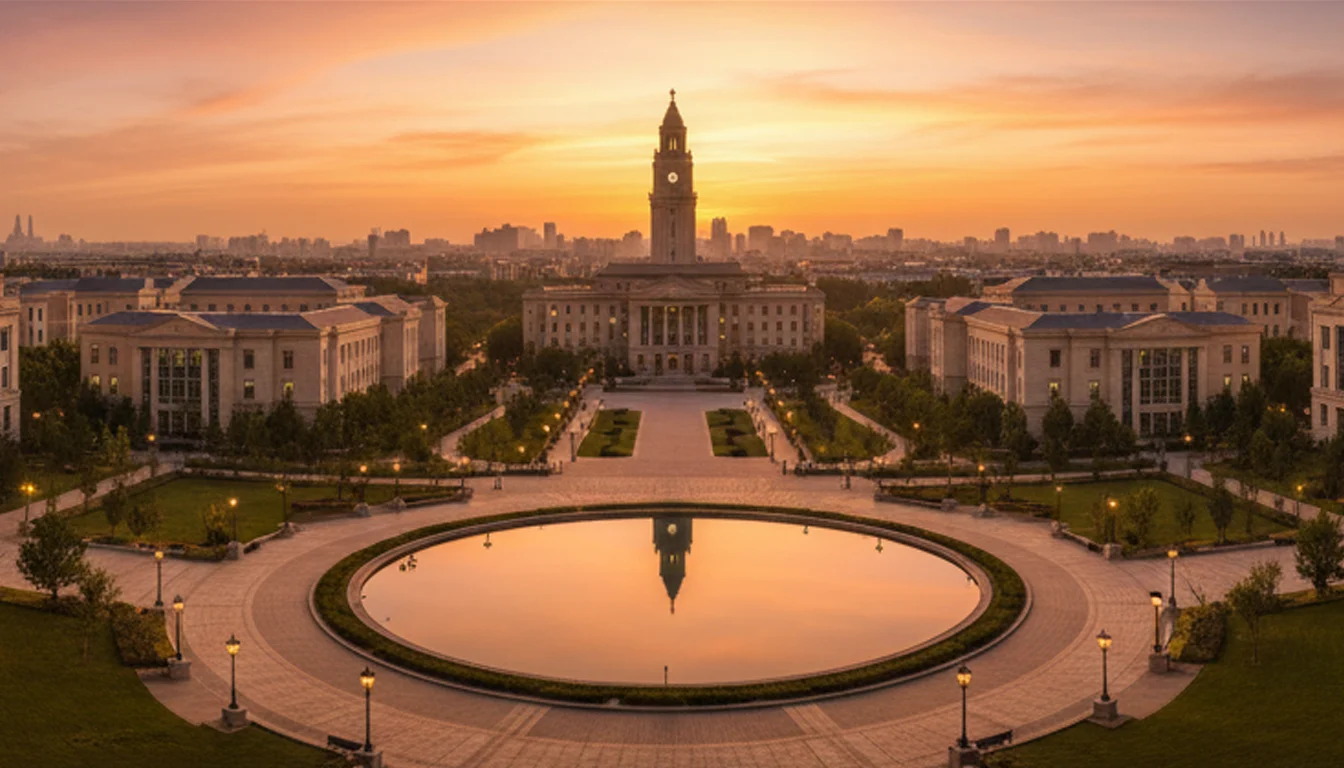
Known for Engineering, Computer Science, Architecture, Physics
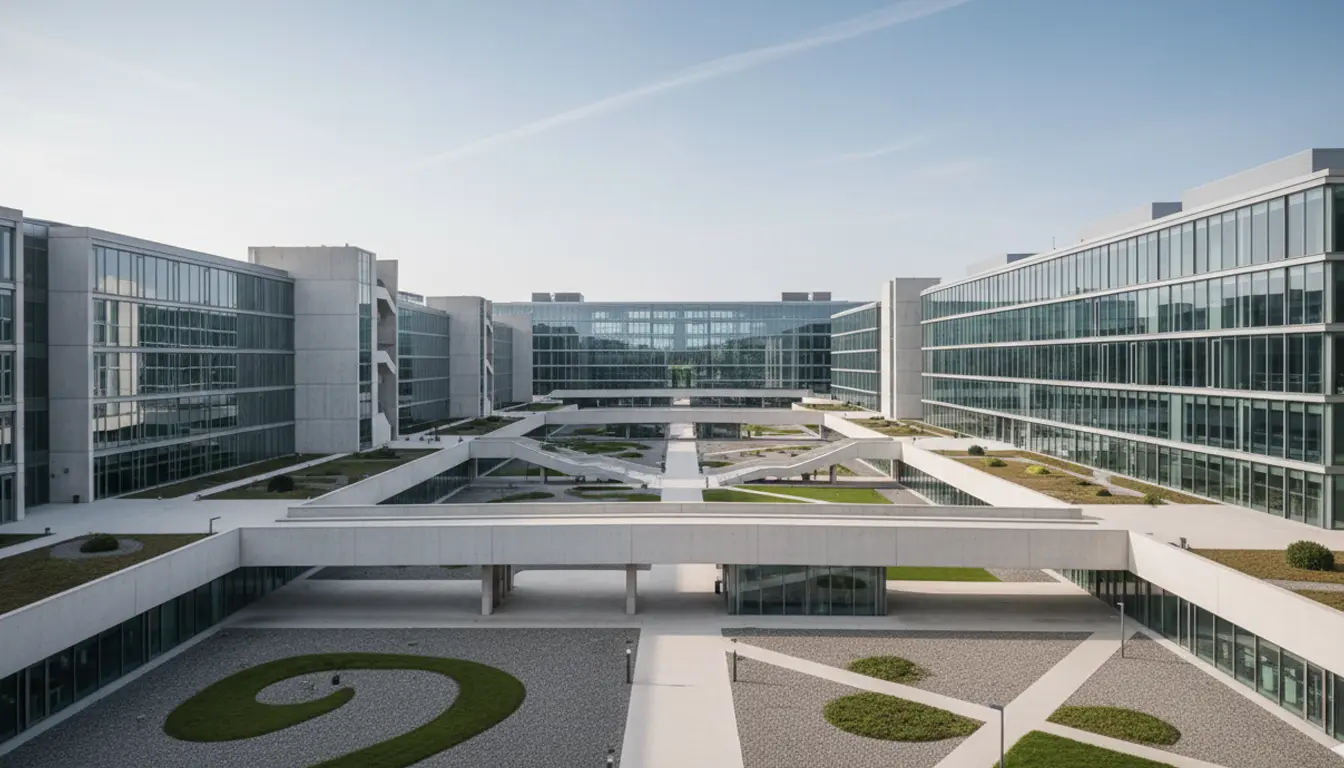
Known for Robotics, AI, Sustainable Energy, Nanotech
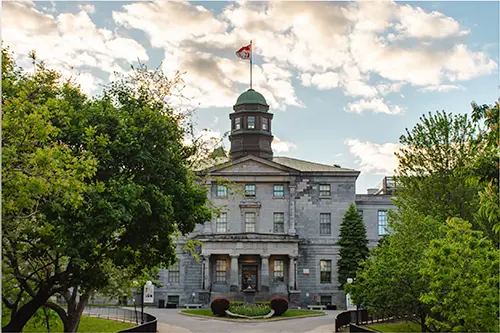
Known for International Law, Diplomacy, Life Sciences
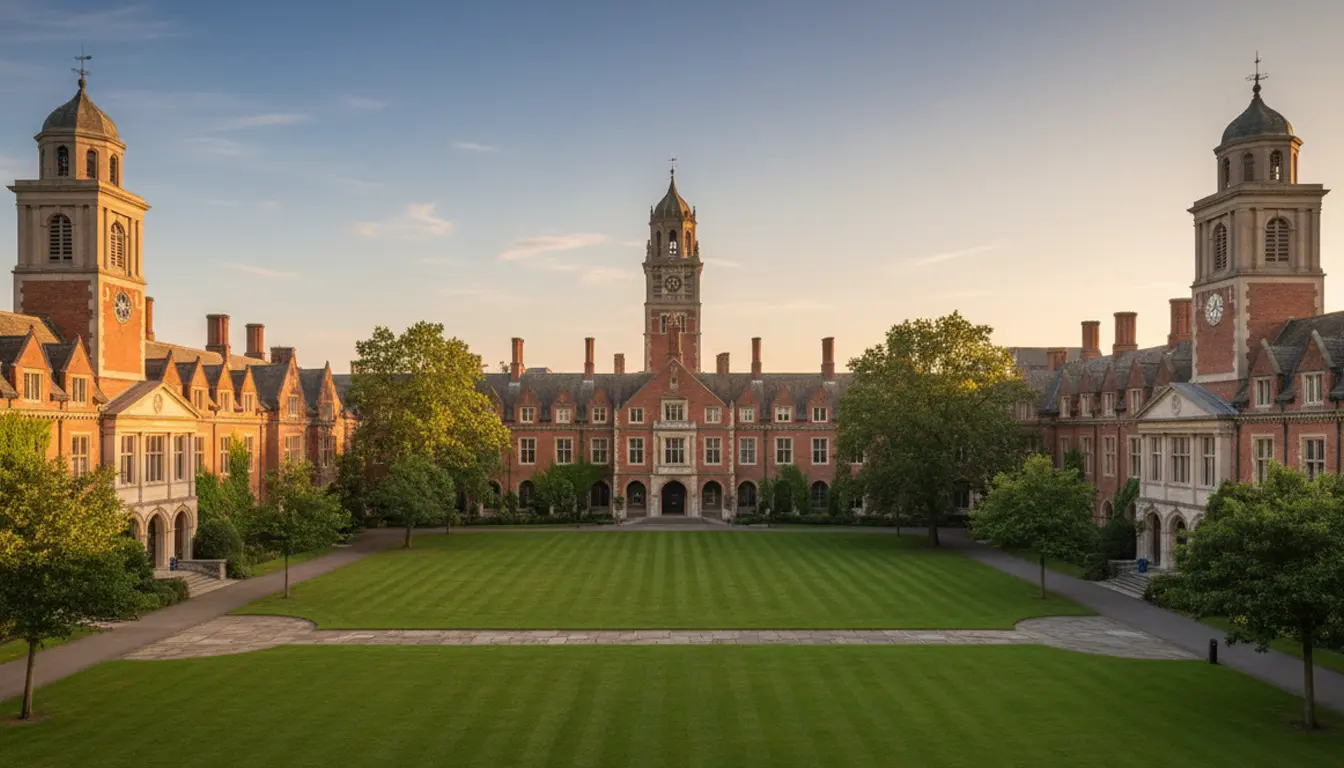
Known for Finance, Data Science, Medicine, Humanities
Known for Business, Health Sciences, Law
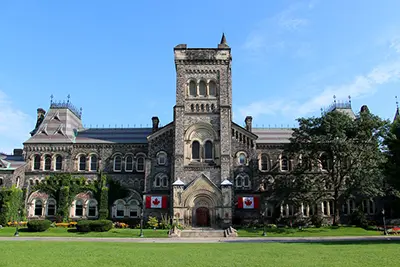
Known for Pharma, Life Sciences, Environmental Sciences
Known for Hospitality, Tourism, Applied Sciences, Design
Known for Luxury Hospitality, Events, International Business
Known for Finance, Project Management, Data Analytics
Known for Hotel & Tourism Management, Luxury Brand Management
Known for Hospitality, Business & Event Management
Many of these universities rank among Europe’s top 100 and offer programs in English with strong global networks.
Pro Tips Before Shortlisting Universities in Switzerland
- Public universities are ideal for research-driven or technical careers with lower tuition fees.
- Private universities (especially in Hospitality & Business) offer faster industry access, internships, and global placements.
- Consider city preferences—Zurich and Geneva offer more corporate opportunities, while Lausanne and Lucerne may suit those seeking hospitality, research, or green innovation careers.
Not sure which Swiss course or university fits your goals?
Let The Study Connect help you compare options, shortlist the right-fit programs, and plan your next steps—stress-free.
Or get started:
Finance
Tuition Fees and Cost of Living to Study in Switzerland
Prestigious Education with Transparent Costs—Plan Smart, Study with Confidence.
Switzerland offers a unique balance: while it is known for academic excellence and high living standards, tuition fees—especially at public universities—are surprisingly affordable when compared to other top destinations like the US, UK, or Australia.
With the right planning and guidance, studying in Switzerland can be a high-return investment in your global career.
Tuition Fees (Annual Average)
Public University Fees
CHF 1,500 – CHF 4,000/year
Private University / Business School
CHF 12,000 – CHF 25,000/year
₹1.4 lakhs – ₹23 lakhs/year
(Approx. in INR)
Public University Fees
CHF 1,500 – CHF 4,500/year
Private University / Business School
CHF 15,000 – CHF 35,000//year
₹1.4 lakhs – ₹32 lakhs/year
(Approx. in INR)
Public University Fees
Not usually offered in public
Private University / Business School
CHF 25,000 – CHF 70,000/year
₹23 lakhs – ₹65 lakhs/year
(Approx. in INR)
Public University Fees
Usually tuition-fee free + stipend
Private University / Business School
Funded research roles common
Stipends: CHF 48,000+/year
(~₹45 lakhs/year) (Approx. in INR)
Public universities like ETH Zurich and EPFL offer world-class education at a fraction of the cost of other global elite schools.
Private hospitality and business schools charge higher fees but often come with excellent internship and placement networks.
Living Expenses (Monthly Averages)
Switzerland has a high cost of living, but many students manage expenses through careful budgeting, part-time work, and scholarships.
CHF 500 – CHF 1,200
(Average Monthly Cost in EUR)
₹45,000 – ₹1.1 lakhs
(Approx. in INR)
CHF 300 – CHF 500
(Average Monthly Cost in EUR)
₹27,000 – ₹45,000
(Approx. in INR)
CHF 50 – CHF 80
(Average Monthly Cost in EUR)
₹4,500 – ₹7,200
(Approx. in INR)
CHF 40 – CHF 80
(Average Monthly Cost in EUR)
₹3,600 – ₹7,200
(Approx. in INR)
CHF 100 – CHF 250
(Average Monthly Cost in EUR)
₹9,000 – ₹22,000
(Approx. in INR)
Estimated Annual Living Cost:
CHF 18,000 – CHF 25,000 → Approx. ₹16 lakhs – ₹22 lakhs per year.
Cities like Zurich and Geneva are on the higher end, while Fribourg, Lausanne, and Lucerne can be 15%–25% more affordable.
Additional One-Time Costs
(Long Stay D)
CHF 100 – CHF 150
(Average Cost in CHF)
₹9,000 – ₹13,500
(Approx. in INR)
CHF 100 – CHF 300/month
(Average Cost in CHF)
₹9,000 – ₹27,000/month
(Approx. in INR)
CHF 500 – CHF 800
(Average Cost in CHF)
₹45,000 – ₹70,000/month
(Approx. in INR)
CHF 200 – CHF 400/year
(Average Cost in CHF)
₹18,000 – ₹36,000/year
(Approx. in INR)
Health insurance is compulsory in Switzerland, but student-friendly plans are available.
Part-Time Work to Support Living Costs
- Can legally work Up to 15 hours/week during term; full-time during breaks
- Average Pay (Hourly): CHF 20 – CHF 30/hour → ₹1,800 – ₹2,700/hour
- Monthly Income Potential: CHF 1,200 – CHF 2,400 → ₹1 lakh – ₹2.1 lakhs/month
Why Choose Us
How The Study Connect Helps You Plan Your Switzerland Study Budget
- Estimate realistic tuition + living costs based on your target city and university
- Identify scholarships and fee waivers to reduce costs
- Assist with education loan planning and sponsor documentation
- Guide you on part-time work options after arrival
Many of our students save ₹3 lakhs to ₹12 lakhs through early planning, scholarship success, and smart city choices.
Scholarship
Scholarships for Studying in Switzerland
Prestige Meets Affordability—Unlock Scholarships That Bring World-Class Education Within Reach.
Switzerland’s universities are globally respected, but many students worry about the cost of living and tuition. The good news? Numerous scholarships and financial aid options are available to help international students significantly reduce the cost of studying—especially for high-achieving students, researchers, and those pursuing sustainability or innovation-focused fields.
At The Study Connect, we help you identify the right scholarships and create winning applications that stand out.
Types of Scholarships Available in Switzerland
Who It’s For
Master’s, Ph.D., and research students from selected countries
Who It’s For
High-performing Bachelor’s, Master’s, or Ph.D. applicants
Who It’s For
Based on academic excellence, leadership, and extracurricular achievements
Who It’s For
For students from low-income backgrounds
Who It’s For
Fully funded Ph.D. positions with monthly stipends
Who It’s For
Sponsored by Swiss corporations, banks, or foundations for specific fields
Many scholarships cover tuition, living costs, health insurance, and even travel expenses.
Popular Scholarships for Indian & International Students in Switzerland
Excellence Scholarship (ESKAS)
(Offered By)
Swiss Confederation
Full tuition + monthly stipend (~CHF 1,920) + airfare
(Offered By)
ETH Zurich
Full tuition + living allowance
(Offered By)
EPFL Lausanne
Tuition waiver + limited living allowance
Master Fellowships
(Offered By)
University of Geneva
CHF 10,000 – CHF 15,000 one-time support
Master’s Grants
(Offered By)
University of Lausanne
CHF 1,600/month for 1.5–2 years
(Offered By)<br/IMI International Management Institute
10%–50% tuition fee waivers
(Offered By)
Swiss Hospitality Schools
10%–30% tuition reduction based on academic excellence
Some universities automatically consider you for scholarships during the admission process, while others require separate applications and essays.
Why Choose Us
How The Study Connect Helps You Win Scholarships for Switzerland
- Shortlisting the right scholarships based on your course, profile, and goals
- Crafting compelling Motivation Letters (SOPs) that tell your story powerfully
- Fine-tuning your academic CV, Letters of Recommendation, and research proposals
- Guiding you through deadline management and application submission
Pro Tips for Securing Scholarships in Switzerland
- Apply early—top scholarships have strict deadlines and limited spots.
- Focus on clear career goals, sustainability, and innovation themes—Swiss funding bodies value impact-driven applicants.
For research/Ph.D., ensure you have a well-defined research proposal and potential supervisor identified.
Trusted by world-class universities



Earning Opportunities
Work Opportunities for Students Want to Study in Switzerland
Earn While You Learn. Build Global Work Experience. Unlock Post-Study Career Pathways in Switzerland and Europe.
Switzerland not only offers a world-class education but also provides international students with opportunities to work during studies and clear pathways to stay, work, and build long-term careers after graduation.
With its strong economy, international business hubs, and leadership in innovation, Switzerland offers the perfect environment to combine education with meaningful work experience.
Part-Time Work During Studies
International students on a Swiss Student Visa (Type D) are allowed to work part-time during their studies, under regulated conditions.
Up to 15 hours per week during study periods; full-time during semester breaks
After 6 months of study (with prior residence permit approval)
CHF 20 – CHF 30/hour → ₹1,800 – ₹2,700/hour
CHF 1,200 – CHF 2,400 → ₹1 lakh – ₹2 lakhs/month
Part-time earnings help cover living expenses like rent, transport, and groceries, though students must still show proof of funds at visa stage.
Where Can You Work?
Research assistant, library staff, university events, IT support
Retail, cafes, hospitality, admin, customer service
Paid internships in Business, Finance, IT, Engineering, Hospitality
Design, coding, content writing, digital marketing (with legal compliance)
Swiss universities and cities host career fairs, startup hubs, and internship opportunities regularly.
Post-Study Work Opportunities in Switzerland
Degree Holders
Eligible for a 6-month Job Search Visa after graduation (non-EU/EFTA nationals)
Often transition directly into work-based residence permits or research positions
Eligible for fast-track work permits and residency extensions
Once employed, you can apply for:
- Swiss Work Permits (B Permit, L Permit)
- EU Blue Card (for high-skilled roles)
- Permanent Residency pathways after 5–10 years.
Top In-Demand Job Sectors for International Graduates in Switzerland
Financial Analyst, Risk Manager, Investment Consultant
Mechanical Engineer, Renewable Energy Specialist
Software Developer, AI Engineer, Data Scientist
Biotech Researcher, Clinical Trial Manager
Hotel Manager, Event Planner, Guest Relations Manager
Policy Advisor, Program Coordinator, Legal Officer
Requirements for Working
While Studying in Switzerland:
To work during your studies, you must:
- Hold a valid Student Visa (VLS-TS or Talent Passport Student)
- Be enrolled full-time in a recognised higher education institution
- Respect the legal work-hour limits (964 hours annually)
- Have an employment contract or internship agreement (for paid internships)
- Obtain a work authorisation letter (if required)—often integrated into the visa process
For internships longer than 2 months, French law mandates that you receive compensation (gratification).
How The Study Connect Helps You Maximise
Work & Career Opportunities
We assist you with:
- Building professional CVs and LinkedIn profiles for Swiss employers
- Internship and part-time job search strategy using university portals and recruitment agencies
- Post-study work permit guidance and PR pathway advice
- Visa compliance and documentation checks
Many of our students successfully transition from study to full-time careers in Switzerland and wider Europe with our strategic support.
Want to explore career options and post-study work opportunities in Switzerland?
Let The Study Connect help you plan your full study-to-career journey—so you land with confidence and a clear roadmap.
Or start now:
How to apply
Application Process for Studying in Switzerland
From University Shortlist to Visa Approval—A Step-by-Step Guide to Your Swiss Education Journey.
Studying in Switzerland is an incredible opportunity, but the application process requires careful planning, accurate documentation, and timely action. Whether you are applying for a Bachelor’s, Master’s, or Ph.D., The Study Connect helps you navigate every step seamlessly—ensuring you don’t miss deadlines or critical details.
Your Switzerland Study Journey in 7 Simple Steps
1. Research & Shortlisting
Choosing the right program and university is key to both your academic success and career prospects.
We help you shortlist based on:
- Academic profile and career goals
- Target city (Zurich, Lausanne, Geneva, Lucerne, etc.)
- Scholarship and funding opportunities
- Post-study job potential and PR pathways
We help you understand the difference between public universities, applied sciences institutions, and private business or hospitality schools.
2. Prepare Required Documents
Swiss universities require a combination of academic, personal, and sometimes professional documents.
Academic Transcripts & Certificates (10th, 12th, Degree) Eligibility verification for Bachelor’s, Master’s, or Ph.D.
Passport (Valid) Mandatory for application and visa
English Proficiency (IELTS/TOEFL) needed for equivalent (some programs accept exemptions)
Statement of Purpose (SOP) / Motivation Letter Essential for almost all applications
Letters of Recommendation (LORs) needed Master’s, Ph.D., and Business programs
CV/Resume needed for higher degrees and business schools
Research Proposal (Ph.D. only) needed for Detailed proposal for doctoral applicants
Financial Proofs (for Visa) needed for residence permit
We help you write, edit, and polish every document to Swiss university standards.
3. Submit University Applications
- Public Universities (Bachelor’s/Master’s/Ph.D.) Register on Direct via university portals
- Private Universities & Business Schools. Register on Direct applications on official websites
- Hospitality Schools (Les Roches, Glion, etc.) Register on Direct or through admissions representatives
We assist you with:
- Form filling and application portal setup
- Document uploads and translation where required
- Application fee payments
- Progress tracking and updates
4. Receive Offer Letter & Confirm Admission
After review, you will receive:
- Conditional Offer: Pending final transcripts, language scores, or other documents.
- Unconditional Offer: All requirements met—ready for visa processing.
We help you compare multiple offers based on cost, reputation, job prospects, and scholarships.
5. Financial Preparation & Visa Documentation
To apply for your Swiss Student Visa (Type D), you’ll need to show:
Proof of Funds (12 months living expenses) CHF 21,000–CHF 25,000/year (~₹19–₹22 lakhs)
Tuition Fee Payment Proof – Usually first semester or full-year payment
Health Insurance Proof – Mandatory for residence permit
Accommodation Proof – Optional but recommended for visa approval.
- Police Clearance Certificate – Required in most cases
We help you with:
- Education loan arrangements
- Sponsor letters and bank statement preparation
- Insurance guidance and accommodation booking
6. Apply for Swiss Student Visa (Long Stay D)
Visa Process:
- Apply at the nearest Swiss Consulate or VFS Global.
- Submit all documents: Offer Letter, financials, insurance, passport.
- Pay visa fee: CHF 100–CHF 150 (~₹9,000–₹13,500).
- Attend biometrics appointment.
- Receive decision (typically within 4–8 weeks).
We offer document checks, mock visa interview support (if required), and full guidance on legal compliance.
7. Plan for Departure & Arrival in Switzerland
Pre-Departure Checklist
Flight Booking – Book early to secure better fares
Accommodation – University housing or private rental
Packing Essentials – Weather-appropriate clothing, adapters, documents
SIM & Banking – We guide you on Swiss banking and mobile setup
University Orientation – Most universities offer welcome sessions and local guides
We help you land confidently in Switzerland with full pre-departure checklists and settlement guidance.
The Study Connect—Making Your Swiss Education Journey Smooth and Successful
From shortlisting and scholarships to visa and post-arrival—we’re with you every step of the way with real experts, personalised advice, and transparent support.
Or get started:
How We Help
How The Study Connect Helps with Your Switzerland Application
Your Study Abroad Journey—Simplified, Supported, and Success-Focused.
Switzerland offers world-class education and global career pathways—but the process of shortlisting universities, preparing complex applications, securing scholarships, and navigating visa rules can be overwhelming.
That’s where The Study Connect comes in—offering you end-to-end guidance, strategic advice, and real human support at every step.
Here’s How We Help You Succeed on Your Swiss Study Journey:
We help you choose the right course and university by:
- Analysing your academic background and work experience
- Mapping your career goals and PR aspirations
- Comparing public vs. private universities based on cost, quality, and post-study job potential
- Helping you select the best-fit city (Zurich, Lausanne, Geneva, Lucerne) for lifestyle and career prospects
You’ll know why you’re applying where—not just what to apply for.
Essay Support
Your application documents play a huge role in Swiss admissions success. We help you:
- Write powerful, original Motivation Letters (SOPs) tailored to each program
- Structure and polish Letters of Recommendation (LORs)
- Craft a professional academic CV that highlights your strengths
- Prepare winning scholarship essays that improve your funding chances
We ensure your documents meet Swiss university expectations for tone, format, and impact.
We take the stress out of the application process by:
- Handling portal applications and document uploads
- Managing application fee payments and university communication
- Giving you live status updates so you never miss a step
No confusion, no missed deadlines—just smooth, transparent progress.
Planning Assistance
We help you reduce costs through:
- Merit-based scholarships (up to 100% tuition in some cases)
- Government and university-specific funding options
- Loan and sponsor planning for visa financial proofs
Many students we assist save between ₹4 lakhs and ₹15 lakhs by securing the right scholarships.
Documentation & Compliance
We guide you through the Swiss Student Visa (Type D) process with:
- Bank statement preparation and compliance checks
- Sponsor letters, insurance, and accommodation proofs
- Mock interviews and documentation reviews
- Post-arrival permit guidance
Our goal: first-time visa success with no last-minute stress.
We help you land smoothly in Switzerland by:
- Providing packing lists, city guides, and cultural tips
- Assisting with bank accounts, mobile SIMs, and housing
- Offering part-time work and internship strategy advice
- Preparing you for university orientation and first-month success
You’ll arrive feeling prepared, not overwhelmed.
- 1:1 personalised WhatsApp and phone support
- Deadline tracking and reminders
- Emergency assistance for last-minute issues
We’re not just consultants—we’re your dedicated partners in making your Swiss study dreams a reality.
Start Your Switzerland Study Journey with The Study Connect
From choosing the right course to getting your visa stamped, let The Study Connect make your Switzerland study journey easy, clear, and successful.
Or take the first step:
FAQs
Frequently Asked Questions
Studying in Switzerland
We’ve answered thousands of questions from students just like you. Here are some of the most common ones — with clear, no-fluff answers.
1. What are the basic requirements to study in Canada?
- A valid passport
- Proof of acceptance from a Designated Learning Institution (DLI)
- Proof of funds (tuition + living expenses)
- English proficiency test scores (IELTS/TOEFL)
- A well-written SOP and academic transcripts
- A valid study permit (visa)
2. Can I study in Canada without IELTS?
3. How much bank balance is required for a Canadian study visa?
- CAD 10,000 in a Guaranteed Investment Certificate (GIC)
- Proof of first-year tuition payment
- Additional funds if your living expenses exceed CAD 10,000
4. How long does the Canada student visa process take?
To study in Canada as an international student, you typically need:
- A valid passport
- Proof of acceptance from a Designated Learning Institution (DLI)
- Proof of funds (tuition + living expenses)
- English proficiency test scores (IELTS/TOEFL)
- A well-written SOP and academic transcripts
- A valid study permit (visa)
5. Can I bring my spouse or dependents while studying?
- Your spouse may be eligible for an open work permit
- You may apply for dependent visas for children
Each case is unique, so it’s important to evaluate eligibility beforehand.
6. Are scholarships available for Indian students in Canada?
- Vanier Canada Graduate Scholarships
- University-specific entrance awards
- Province-specific funding schemes
We help you shortlist scholarships based on your profile.