
Study in Australia
Globally ranked universities, high employability outcomes, and a student-friendly lifestyle backed by clear work rights during and after study.
- Home
- Study in Australia

Study In Canada
Dreaming of Studying in Australia?
- Top 5 Global Study Destination with world-ranked universities including The University of Melbourne, Australian National University (ANU), and University of Sydney
- Post-study work rights of up to 6 years under the Temporary Graduate Visa (Subclass 485)
- High demand for skilled graduates in sectors like IT, Engineering, Health Sciences, and Business
- English-speaking country with a multicultural, inclusive society
- Attractive pathway to Australian Permanent Residency (PR) for qualified graduates
- Scholarships, bursaries, and government support available for Indian students
- Safe cities, stunning nature, and a strong Indian student community
Education
Education System in Australia
Globally Respected Degrees. Practical, Industry-Ready Learning. Flexible Study Pathways.
Australia’s education system is renowned for its high academic standards, research excellence, and strong ties to industry and employment. Whether you’re pursuing a Bachelor’s, Master’s, or Ph.D., Australian universities are designed to equip you with the skills, knowledge, and global perspective needed to succeed in today’s competitive world.
Types of Programs
With a focus on innovation, critical thinking, and real-world application, Australian qualifications are highly valued worldwide — and often open doors not just in Australia, but across the UK, US, Canada, Europe, and beyond.
(Bachelor’s Degree)
Duration:
Typically 3 years (some programs like Engineering or Law may take 4–5 years)
Structure:
Foundation courses in Year 1, followed by major-specific modules, electives, and internships
Honours Year:
An optional 4th year for research-based Honours programs in certain fields
Popular Fields:
Business, Computer Science, Engineering, Nursing, Environmental Science, Arts
Many Australian degrees allow dual majors or minors, giving you flexibility to shape your career path.
Industry placements and internships are often built into the curriculum — especially in fields like Engineering, IT, and Health Sciences.
(Ph.D.)
Duration:
Typically 3–4 years
Structure:
Independent, original research under the guidance of academic supervisors, leading to thesis submission
Funding:
Many Ph.D. positions are fully funded through university scholarships, research grants, or external funding (e.g., Australian Government Research Training Program)
Fields:
From STEM and Medicine to Social Sciences, Law, and Creative Arts.
International Ph.D. students in Australia often have better pathways to post-study work and PR due to the country’s need for advanced research talent.
(Master’s Degree)
Duration:
Generally 1.5 to 2 years (depending on program structure and prior academic background)
Taught Master’s (Coursework)
Focused on academic learning and practical knowledge
Research Master’s (MRes, MPhil):
Involves independent research and thesis submission
Professional Master’s:
For fields like Law, Nursing, Education, Social Work (may include mandatory placements)
Popular Fields:
Data Science, Artificial Intelligence, Cybersecurity, Public Health, International Business, Sustainability
Many Master’s programs in Australia offer flexible entry points, credit transfers, and Recognition of Prior Learning (RPL).
Types of Higher Education Institutions in Australia
Canada typically has three major intake seasons:
Australia’s elite research-intensive universities—including University of Melbourne, University of Sydney, ANU, and UNSW
Strong focus on industry partnerships, innovation, and applied research (e.g., RMIT, QUT, UTS)
Affordable, student-friendly institutions offering specialised programs and stronger PR pathways
Niche programs in business, hospitality, IT, creative arts; may have smaller class sizes and flexible intakes
Australia’s education system is regulated under the TEQSA and CRICOS frameworks to ensure quality and international student protection.
Credit System & Evaluation
Commonly follows High Distinction (HD), Distinction (D), Credit (C), Pass (P), Fail (F).
Most Australian degrees use a credit-based system, where each unit (subject) carries points contributing to your qualification.
Include assignments, presentations, group projects, practicals, and final exams.
Intakes in Australia
Australia offers multiple intakes to provide flexibility for international students:
Main intake
largest number of courses available
What You Should Know
Best time for scholarships and course variety
Second major intake
wide program availability
What You Should Know
Good alternative if you miss Feb deadlines
Limited programs
often in private colleges or some Master’s courses
What You Should Know
Fast-track or flexible programs
Many universities are shifting towards 3-semester models (Trimester), allowing students to graduate faster.
- Apply Early: For best course selection, scholarship eligibility, and visa processing.
- Consider February Intake: It offers the widest choice and aligns with post-study visa timing.
- July is Growing: More universities now offer mid-year intakes for high-demand fields like IT, Business, and Engineering.
- Trimester Advantage: For students who want to complete programs faster or align with PR timing.
Courses
Popular Courses and Top Universities to Study in Australia
Globally Recognised Degrees. Industry-Relevant Programs. High Graduate Employability.
Australia is home to some of the world’s top-ranked universities and is known for its career-oriented education system that combines academic excellence with real-world industry exposure. From cutting-edge technology and business programs to health sciences and environmental studies, Australian degrees are highly respected by employers across the globe.
Whether you’re aiming for a research-intensive university or an industry-linked applied program, Australia offers diverse study options that help you build a strong global career foundation.
Popular Courses Among International Students in Australia
Australian universities offer thousands of programs, but here are the most in-demand courses chosen by international students — known for career growth, employability, and global recognition:
MBA, Master of International Business, Marketing, Finance
Australia boasts some of the top business schools in the Asia-Pacific region. Business degrees here focus on leadership, innovation, entrepreneurship, and global business strategy.
- Popular Job Roles: Business Analyst, Marketing Manager, Financial Planner, HR Manager.
- Top Employers: Commonwealth Bank, ANZ, Deloitte, PwC Australia, Qantas.
Civil, Mechanical, Electrical, Mining, Environmental.
Australia’s engineering programs are internationally accredited and closely linked with booming sectors like mining, infrastructure, energy, and construction.
- Popular Job Roles: Civil Engineer, Mining Engineer, Structural Designer, Project Manager.
- Top Employers: BHP, Rio Tinto, Jacobs, GHD, Downer Group.
AI, Cybersecurity, Data Science, Software Development
With Australia’s rapid digital growth, IT and Computer Science graduates are highly sought-after, especially in emerging areas like AI, Big Data, and Cloud Computing.
- Popular Job Roles: Software Developer, Cybersecurity Analyst, Data Scientist, Cloud Architect.
- Top Employers: Atlassian, Telstra, Accenture, IBM Australia, Canva.
Nursing, Public Health, Physiotherapy, Biotechnology, Pharmacy
Australia’s healthcare sector is robust and globally respected, making it a great choice for students pursuing careers in health sciences, medicine, or allied health.
- Popular Job Roles: Registered Nurse, Public Health Officer, Physiotherapist, Biotech Researcher.
- Top Employers: NSW Health, CSL Limited, Ramsay Health Care, Royal Melbourne Hospital.
With a thriving tourism and hospitality industry, Australia offers highly regarded programs that blend academic theory with practical internships.
- Popular Job Roles: Hotel Manager, Event Planner, Tourism Consultant, Guest Relations Officer.
- Top Employers: AccorHotels, Crown Resorts, Flight Centre, Tourism Australia.
Given Australia’s leadership in climate change research and conservation, this field is rapidly growing and aligned with global green initiatives.
- Popular Job Roles: Environmental Consultant, Sustainability Officer, Climate Policy Analyst.
- Top Employers: CSIRO, AECOM, Government Environment Departments, WWF Australia.
Film, Animation, UX, Fine Arts
Australia’s vibrant creative industries, make it a fantastic destination for design, media, and arts programs, with a focus on innovation and portfolio development.
- Popular Job Roles: Graphic Designer, Animator, Filmmaker, UX/UI Designer.
- Top Employers: ABC Australia, Foxtel, Adobe, Design Studios, Media Agencies
Top Universities in Australia for International Students
Here’s a curated list of Australia’s leading universities, known for their academic reputation, research strength, and international student support:

Known For Law, Business, Engineering, Health Sciences
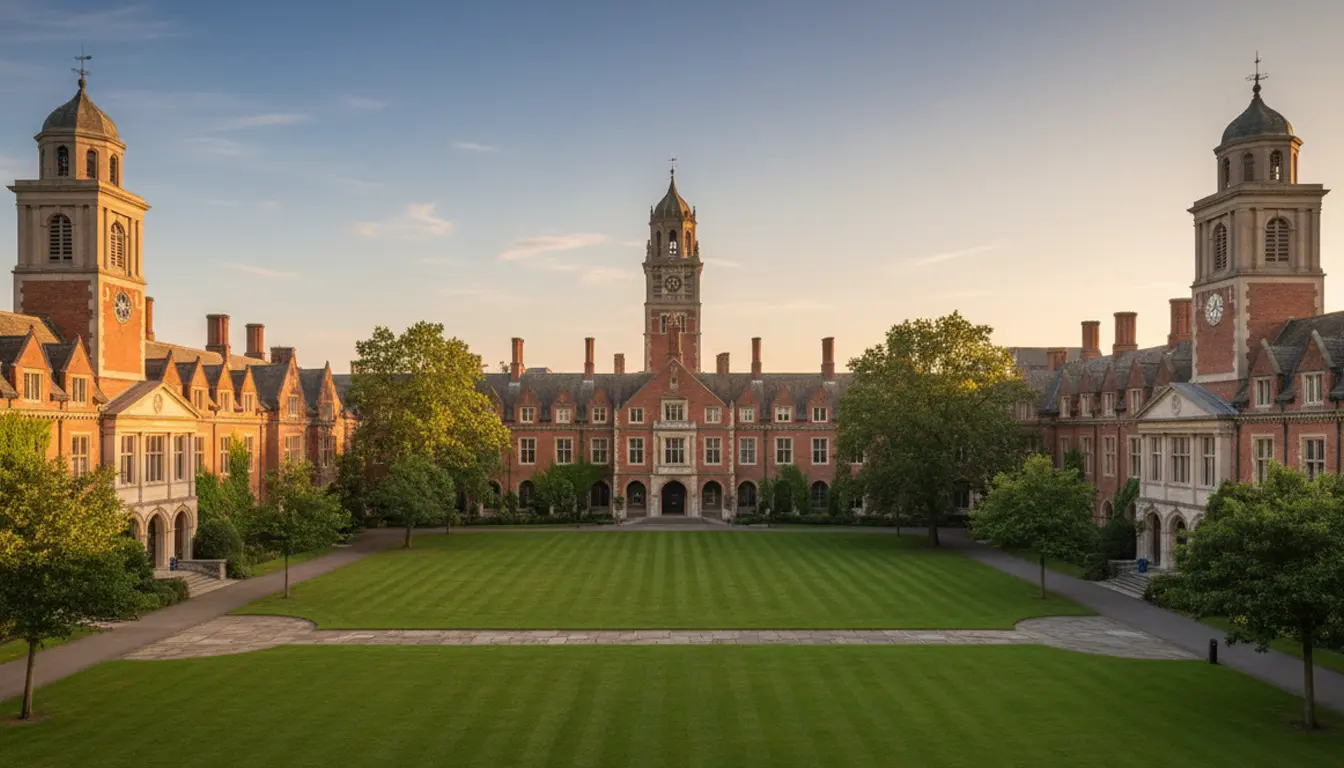
Known For Political Science, Data Science, Environmental Studies

Known For Architecture, Medicine, Arts, Business

Known For Engineering, AI, Business, Law
Known For Biotechnology, Veterinary Science, Mining Engineering
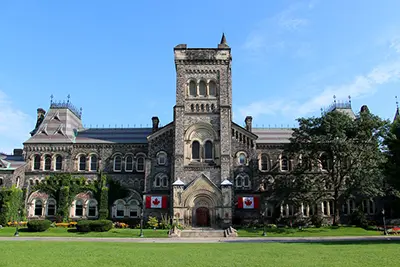
Known For Pharmacy, Public Health, Chemical Engineering
Known For Marine Biology, Geoscience, Oil & Gas Engineering
Known For Design, Media, Aviation, Information Technology
Known For Creative Industries, Business, Data Analytics
Known For Sports Science, Cybersecurity, Health Promotion
Many Australian universities rank in the Top 100 globally and are recognised for their research impact and strong graduate outcomes.
- Rankings Matter—But So Does Fit: : Think about city lifestyle, employability, visa pathways, and living costs.
- Check Post-Study Work Rights: Some regional universities offer longer post-study work visas.
- Look for Scholarship-Friendly Universities: Many Australian universities automatically consider international students for merit-based scholarships.
- Industry Links: If internship or job placement is your priority, shortlisting universities with strong industry partnerships is key.
Finance
Tuition Fees and Cost of Living to Study in Australia
World-Class Education with Transparent Costs — Plan Smart, Study Smart.
Australia offers a globally respected education system that combines academic excellence with strong employability outcomes. While tuition fees and living expenses can vary based on the city, university, and lifestyle, with careful planning — and guidance from The Study Connect — your Australian education can be both affordable and rewarding.
Understanding the true cost of studying in Australia is key to making informed decisions and ensuring you’re financially prepared for every step of the journey.
Tuition Fees
(Annual Averages)
Australian universities charge tuition on a per-year basis, and costs depend on the level of study, field of specialization, and institution.
AUD 15,000 – 25,000/year
(Average Annual Tuition)
₹8 – ₹14 lakhs/year
(Approx. in INR)
AUD 20,000 – 45,000/year
(Average Annual Tuition)
₹11 – ₹25 lakhs/year
(Approx. in INR)
AUD 22,000 – 50,000/year
(Average Annual Tuition)
₹12 – ₹28 lakhs/year
(Approx. in INR)
AUD 40,000 – 70,000/year
(Average Annual Tuition)
₹22 – ₹39 lakhs/year
(Approx. in INR)
AUD 18,000 – 42,000/year
(Average Annual Tuition)
₹10 – ₹23 lakhs/year (many partially/fully funded)
(Approx. in INR)
Pro Tips:
- STEM, Health, and MBA programs tend to be more expensive.
- Arts, Humanities, and Social Sciences are typically more budget-friendly.
- Many universities offer generous scholarships for Indian and international students.
Living Expenses
(Monthly Averages)
Living costs vary depending on your chosen city (Sydney and Melbourne are costlier; Adelaide, Perth, and regional cities are more affordable).
AUD 600 – 1,200
(Average Monthly Cost)
₹33,000 – ₹66,000
(Approx. in INR)
AUD 250 – 400
(Average Monthly Cost)
₹14,000 – ₹22,000
(Approx. in INR)
AUD 150 – AUD 250
(Average Monthly Cost)
₹8,000 – ₹14,400
(Approx. in INR)
AUD 100 – 150
(Average Monthly Cost)
₹5,500 – ₹8,000
(Approx. in INR)
(Annual)
AUD 50 – 80
(Estimated Cost)
₹2,800 – ₹4,500
(Approx. in INR)
Estimated Annual Living Cost: AUD 21,000 – 27,000/year
Approx. in INR: ₹11 – ₹15 lakhs/year.
Regional cities can save you up to 20–30% on living expenses compared to major metros.
Additional Costs
(Subclass 500)
AUD 710
(Estimated Cost)
₹39,000
(Approx. in INR)
(Annual)
AUD 500 – 1,000/year
(Estimated Cost)
₹27,000 – ₹55,000
(Approx. in INR)
(OSHC)
AUD 500 – 700/year
(one-time)
₹27,000 – ₹38,000
(Approx. in INR)
(One-way)
AUD 800 – 1,200
(Estimated Cost)
₹45,000 – ₹65,000
(Approx. in INR)
Visa Tip: The Australian government requires you to show proof of financial capacity — generally estimated at AUD 24,505/year (₹13.5+ lakhs) for living costs, in addition to tuition.
Part-Time Work to Support Living Costs
International students in Australia can legally work up to 48 hours per fortnight (24 hours/week) during study periods and full-time during holidays.
- Typical Student Pay: AUD 22 – 30/hour → ₹1,200 – ₹1,800/hour
- Many students use part-time work to offset expenses like rent, food, and transport.
- Common part-time jobs: Retail, cafes, admin roles, tutoring, on-campus jobs.
Smart Financial Planning with
The Study Connect
With our help, you can plan your budget strategically and explore ways to reduce costs through scholarships, part-time work, and smart city choices.
- We help you estimate complete study costs based on city, university, and lifestyle.
AUD 22 – 30/hour → ₹1,200 – ₹1,800/hour - We guide you on education loans, scholarships, and cost-saving tips.
- We assist with visa financial documentation to ensure smooth approval.
Scholarship
Scholarships for Studying in Australia
A World-Class Education Made More Affordable — With Scholarships That Reward Talent and Potential.
Studying in Australia can be a significant financial investment — but with the right scholarships and financial aid, you can substantially reduce your costs or even study at little to no tuition expense.
Australian universities, government bodies, and private organizations offer a wide range of scholarships for Indian and international students—covering tuition fees, living expenses, and even travel allowances.
At The Study Connect, we help you identify, apply for, and secure the best scholarships to make your Australian education more affordable.
Types of Scholarships Available
Who It’s For
Students with excellent academic records, leadership qualities, or extracurricular achievements
Who It’s For
Applicants from lower-income backgrounds demonstrating genuine financial need
Who It’s For
Students applying for high-demand fields like STEM, Health Sciences, Agriculture, or Creative Arts
Who It’s For
Financial aid offered directly by Australian universities as part of the admissions process
Who It’s For
Sponsored by the Australian government or bilateral agreements
Who It’s For
Awards from corporations, non-profits, or international organizations
Pro Tip: Many universities automatically consider international students for scholarships based on academic merit — but some scholarships require separate applications, essays, and early deadlines.
Popular Scholarships for Indian &
International Students in Australia
(AAS)
(Offered By)
Australian Government (DFAT)
Full tuition, living allowance, travel, and more (mostly for PG and research)
(Offered By)
Australian Government + Universities
Up to AUD 15,000/year for students choosing regional campuses
(RTP)
(Offered By)
Australian Government
Full funding for Master’s by Research or Ph.D. students
(Offered By)
Individual Universities
Partial or full tuition waivers for high-achieving international students
International Scholarships
(Offered By)
University of Melbourne
Full or 50% tuition fee remission for undergraduate & postgraduate programs
(Offered By)
University of New South Wales
AUD 5,000 – 15,000 per year or full tuition coverage
International Scholarship
(Offered By)
Deakin University
50% or 100% tuition coverage for exceptional students
Merit Scholarship
(Offered By)
Monash University
AUD 10,000 per year towards tuition
Some scholarships also include priority internships, leadership development programs, and networking opportunities in Australia.
Why Choose Us
How The Study Connect Supports Your Scholarship Journey
- We help you shortlist scholarships based on your profile, course, university, and target intake.
- We assist in drafting powerful Scholarship Essays, Statements of Purpose (SOPs), and personal statements.
- We help you gather and format academic transcripts, financial need documents, LORs, and extracurricular portfolios.
- We guide you through application timelines, follow-ups, and interview preparation (if applicable).
- We advise on combining multiple scholarships and early application strategies to maximize funding.
Want to Reduce Your Study Costs in Australia?
Trusted by world-class universities






Earning Opportunities
Work Opportunities for Students Want to Study in Australia
Earn While You Learn. Build Real-World Skills. Open Doors to Global Careers.
Australia isn’t just a place to study — it’s a place to gain valuable work experience, support your living costs, and kickstart an international career. With clear work rights for international students and a strong economy, Australia offers numerous opportunities to earn income, build skills, and stay on after graduation.
Whether you’re looking for a part-time job during studies or aiming for a full-time career after graduation, understanding Australia’s work regulations will help you plan smart and make the most of your time abroad.
Part-Time Work During Studies
International students on a valid Student Visa (Subclass 500) are allowed to work while studying, subject to specific conditions.
Up to 48 hours per fortnight (approx. 24 hours/week) during study periods; unlimited hours during official breaks and holidays
Must be enrolled full-time in a CRICOS-registered Australian course.
On-campus jobs, hospitality, retail, admin roles, customer service, internships, and freelance gigs within visa rules.
Self-employment in certain regulated fields (e.g., healthcare, childcare) without necessary licensing.
Many universities also offer on-campus employment and research assistant roles,
which provide flexible hours and skill-building experience.
Where Can You Work?
Library assistant, student services, IT helpdesk, campus café
Retail, cafes, hospitality, supermarkets, customer service
Paid or unpaid internships, often integrated into business, engineering, IT, and hospitality programs
Graphic design, content writing, digital marketing, tutoring (permitted within work hour limits)
Giving you hands-on experience before graduation.
Average Student Earnings
AUD 22 – 28/hour
AUD 1,000 – 1,500 (₹55K – ₹85K)
AUD 2,000 – 3,000/month (full-time internships)
Variable based on duration
AUD 25 – 35/hour
AUD 1,200 – 2,000 (₹66K – ₹1.1L)
Most students use this income to cover rent, groceries, transport, and day-to-day expenses.
Requirements for Working While Studying
- Hold a valid Student Visa (Subclass 500).
- Be enrolled full-time in a CRICOS-registered course.
- Stick to the maximum 48-hour per fortnight rule during study periods.
- Have an active Tax File Number (TFN) for legal employment.
- Ensure that your work doesn’t affect academic performance or attendance.
Post-Study Work Opportunities in Australia
Australia offers one of the most generous post-study work visa systems—making it an attractive destination for those looking to gain global work experience or settle permanently.
Duration (Subclass 485):
2 – 4 years (depending on location and field)
Duration (Subclass 485):
3 – 5 years (extended for regional study)
Duration (Subclass 485):
4 – 6 years
Graduates of STEM, Healthcare, Teaching, and Trade sectors are in high demand in Australia and may be eligible for Permanent Residency (PR) pathways.
Australia’s Skilled Occupation List (SOL) regularly updates in-demand fields where graduates can apply for work visas or PR faster.
In-Demand Job Sectors in Australia
for International Graduates
Software Developer, Data Analyst,
Cybersecurity Specialist
Registered Nurse, Public Health Officer, Aged Care Specialist
Accountant, Business Analyst, Financial Consultant
Civil Engineer, Mechanical Engineer, Project Manager
Hotel Manager, Event Coordinator,
Tourism Consultant
Research Assistant, Ph.D. Fellow,
Lab Technician
These sectors not only offer job opportunities but also strong PR pathways for international graduates.
Need Help Navigating Your Work Rights
and Career in Australia?
From finding part-time jobs to securing post-study visas and building a long-term career plan, The Study Connect is here to guide you every step of the way.
How to apply
Application Process for Studying in Australia
From Course Shortlisting to Visa Approval — Step-by-Step Guidance for a Seamless Journey.
Applying to Australian universities involves more than just submitting forms. It’s a strategic, multi-step process that includes shortlisting courses, preparing documentation, applying for admission, arranging finances, and securing your student visa.
At The Study Connect, we take the stress out of this journey by offering personalised guidance, document support, and timely follow-ups — so you can focus on your goals while we manage the process for you.
Here’s What a Typical Australian Application Journey Looks Like:
1. Research & Shortlisting
- Compare between top institutions: Group of Eight (Go8), technology universities, or regional universities.
- Understand entry requirements (academic marks, English proficiency, work experience if applicable).
- Choose the right intake:
- February (Semester 1) — Most popular and widest choice of courses.
- July (Semester 2) — Second major intake.
- November (Trimester) — Limited but fast-track options.
Our experts help you assess:
- Graduate outcomes
- Scholarship availability
- PR potential by region
- Living costs
We make sure you apply to programs that align with both your goals and the latest market trends.
2. Prepare Required Documents
- Academic Transcripts & Certificates for eligibility assessment and admissions
- Valid Passport for Identity verification and visa processing
- English Proficiency Scores (IELTS, TOEFL, PTE) for Mandatory for admissions and visa (Typical requirement: IELTS 6.0–7.0)
- Statement of Purpose (SOP) for Explaining your academic and career motivations
- Letters of Recommendation (LORs) From teachers, professors, or employers
- Resume or CV For postgraduate and professional programs
- Work Experience Certificates (if applicable) for MBA, Nursing, or specialized programs
- Portfolio (for creative courses) For design, media, and fine arts programs
Don’t worry if you’re unsure about the structure — The Study Connect helps you draft, edit, and polish all your documents to meet Australian university standards.
3. Submit Applications
Applications are typically submitted directly through university portals or via authorized education agents (no central platform like UCAS).
We help you:
- Fill out the correct application forms.
- Upload documents in required formats
- Pay application fees (AUD 50–150 depending on the university)
- Track your application status and respond to follow-ups
Many Australian universities process applications within 2–5 weeks.
4. Receive Offer Letter
Universities issue one of the following:
- Unconditional Offer: All entry requirements met — ready for visa stage.
- Conditional Offer: Awaiting pending documents (e.g., final transcripts, English test score).
Our team helps you compare multiple offers by evaluating:
- Rankings vs. cost
- PR pathways
- Work-integrated learning opportunities
- Scholarships and location
Confirm your place by accepting the offer and paying the required deposit (usually AUD 2,000–5,000).
5. Financial Preparation & Confirmation of Enrollment (CoE)
To apply for your visa, you’ll need a CoE (Confirmation of Enrollment), which is issued once you:
- Accept the offer and pay the deposit
- Purchase Overseas Student Health Cover (OSHC)
- Arrange financial proof:
Financial Requirement | Approximate Amount (AUD) | Approx. in INR (₹) |
Living Costs (12 months) | AUD 24,505 | ₹13.5 – ₹14 lakhs |
Tuition Fee (1 year) | Varies per course | Typically ₹12 – ₹28 lakhs |
Travel Costs | AUD 2,000 | ₹1 – ₹1.1 lakhs |
We help you arrange education loans, financial affidavits, or parental sponsorship documents — ensuring compliance with Australian Department of Home Affairs (DHA) visa guidelines.
6. Apply for Australian Student Visa (Subclass 500)
You can apply for your visa up to 6 months before your course starts.
Visa Process:
- Gather Documents:
- CoE
- Financial proofs
- Health insurance (OSHC)
- Passport, SOP, and GTE (Genuine Temporary Entrant) statement
- CoE
- Lodge Visa Online: Through the ImmiAccount portal.
- Pay Visa Fee: AUD 710 (approx. ₹39,000).
- Biometric Appointment: Attend at VFS.
- Wait for Decision: Processing times range from 2–8 weeks.
We assist you with:
- Visa application form filling
- GTE statement writing
- Document checks
- Mock interviews (if required)
7. Plan for Departure
& Arrival in Australia
With your visa in hand, it’s time to get ready for takeoff!
- Book your flight — you can arrive 2–3 weeks before orientation.
- Arrange accommodation — secure On-campus, homestay, or private rentals.
- Prepare a document folder — include your Passport, CoE, Visa, and Financial Proof.
- Review your health coverage and make sure (OSHC) is activated.
- Pack smart —carry appropriate clothes, adapters, prescriptions.
- Set up Australia SIM & essential apps —pre-activated SIM, maps, transport, banking, and university apps.
The Study Connect offers pre-departure briefings, packing guides, and first-week orientation tips to help you land and settle smoothly.
Start Your Australian Study Journey with Confidence
From shortlisting your ideal program to landing in Australia, we handle it all — with expertise, care, and clarity.
Or start exploring now:
How We Help
How The Study Connect Helps with Your Australia Application
Your Australian Study Dream — Simplified, Structured, and Fully Supported from Start to Finish.
Applying to Australian universities can feel overwhelming — with different admission systems, complex financial documentation, ever-changing visa guidelines, and tight deadlines. One small mistake can mean delayed admissions, visa rejections, or missed scholarship opportunities.
At The Study Connect, we make sure that doesn’t happen.
We provide end-to-end support to ensure that your entire journey — from shortlisting to arrival — is seamless, stress-free, and successful.
Here’s How We Guide You Through Every Milestone of Your Australia Journey:
We don’t believe in cookie-cutter lists. Every student has unique aspirations, academic backgrounds, and financial circumstances — and we help you find the right-fit programs accordingly.
Compare between:
- Group of Eight (Go8) universities vs. Technology & Applied Universities vs. Regional Universities
- Tailor choices based on PR pathways, post-study work opportunities, scholarship chances, and city preferences.
Explore alternative intakes (Feb, July, November) to suit your timeline.
You’ll know exactly:
- Why you’re applying to each university
- How it aligns with your career plan
- What future opportunities it unlocks
Support
Australian applications require not just good academics but also well-written personal statements and motivation letters.
Australian applications require not just good academics but also well-written personal statements and motivation letters.
We help you:
- Craft impactful Statements of Purpose (SOPs) that highlight your goals, strengths, and vision.
- Guide your Letter of Recommendation (LOR) writers for powerful and relevant recommendations.
- Polish your Resume or CV to meet Australian standards (especially for postgraduate applications).
- Assist with the crucial Genuine Temporary Entrant (GTE) statement — a key factor for visa approval.
A great SOP doesn’t just boost admissions — it also strengthens scholarship and visa success rates.
We help you navigate multiple applications, track documents, and meet every deadline—without confusion or overwhelm.
- Direct university portal guidance (no unnecessary intermediaries).
- Document uploads, fee payments, interview scheduling (if required).
- Shared real-time application tracker — so you always know what’s done, what’s pending, and what’s next.
With us, you’ll never miss a deadline or a follow-up
Australia offers a wide range of scholarships—but many go unclaimed due to lack of awareness or poor application strategy.
We help you:
- Shortlist the right scholarships based on your course, background, and achievements.
- Draft winning essays and scholarship statements.
- Guide you on fee waivers, early bird discounts, and regional university incentives.
- Support with education loan letters and financial planning.
Many of our students save between ₹2 lakhs to ₹10+ lakhs through smart scholarship choices.
The Australian Student Visa (Subclass 500) requires strict financial and document compliance. We make sure every requirement is met, error-free.
Assistance with:
- Blocked account setup or bank balance proofs
- Education loan arrangements
- Sponsor letters and affidavits
- Health insurance (OSHC)
- Full visa application and documentation review
Our team stays updated on the latest Department of Home Affairs (DHA) rules — so your visa approval chances stay high.
Your journey doesn’t end with a visa — it begins there. We help you land smoothly and settle quickly in Australia.
- Pre-departure webinars, packing checklists, and cultural insights.
- Accommodation guidance (temporary & long-term).
- Help with bank account setup, transport apps, SIM cards, and Medicare registration.
- Post-arrival student life guidance.
We are there for you before takeoff, on arrival, and beyond.
At The Study Connect, we don’t leave you to figure things out on your own. We’re with you—at every milestone.
- 1:1 WhatsApp, call, and email support.
- Dedicated counselor and progress tracking.
- Quick response times and emergency support when you need it most.
We are there for you before takeoff, on arrival, and beyond.
Thousands Have Done It With Our Help.
You Can Too.
Ready to Make Your Australian Dream a Reality?
Let’s build your study abroad success story — together.
FAQs
Frequently Asked Questions
Studying in Australia
We’ve answered thousands of questions from students just like you. Here are some of the most common ones — with clear, no-fluff answers.
1. What are the basic requirements to study in Canada?
- A valid passport
- Proof of acceptance from a Designated Learning Institution (DLI)
- Proof of funds (tuition + living expenses)
- English proficiency test scores (IELTS/TOEFL)
- A well-written SOP and academic transcripts
- A valid study permit (visa)
2. Can I study in Canada without IELTS?
3. How much bank balance is required for a Canadian study visa?
- CAD 10,000 in a Guaranteed Investment Certificate (GIC)
- Proof of first-year tuition payment
- Additional funds if your living expenses exceed CAD 10,000
4. How long does the Canada student visa process take?
To study in Canada as an international student, you typically need:
- A valid passport
- Proof of acceptance from a Designated Learning Institution (DLI)
- Proof of funds (tuition + living expenses)
- English proficiency test scores (IELTS/TOEFL)
- A well-written SOP and academic transcripts
- A valid study permit (visa)
5. Can I bring my spouse or dependents while studying?
- Your spouse may be eligible for an open work permit
- You may apply for dependent visas for children
Each case is unique, so it’s important to evaluate eligibility beforehand.
6. Are scholarships available for Indian students in Canada?
- Vanier Canada Graduate Scholarships
- University-specific entrance awards
- Province-specific funding schemes
We help you shortlist scholarships based on your profile.