
Study in France
Land of Immigrants, Home for Indian Students for Decades.
- Home
- Study in France

Study In France
Dreaming of Studying in France?
- Home to 3,500+ public and private higher education institutions, including world-renowned Business Schools (HEC, ESSEC, INSEAD), Engineering Grandes Écoles, and top-ranked universities.
- Low tuition fees in public universities — often €2,800–€3,770 per year for international students.
- Post-study work rights: Up to 2 years for Master’s graduates.
- Generous scholarships available for Indian students (including Eiffel Excellence and Charpak Scholarships).
- Over 1,500+ English-taught programs — no French language required for many Master’s and MBA courses.
- France ranks as the world’s 7th largest economy—with booming sectors like luxury, aerospace, AI, sustainability, and gastronomy.
- Student-friendly visa policies with streamlined Schengen access to 25+ European countries.
Education
Education System in France
Globally Respected Qualifications. Elite Institutions. Affordable and Accessible to International Students.
France offers one of the most diverse and prestigious higher education systems in the world, blending academic excellence, research leadership, and industry partnerships. With a unique structure that includes public universities, Grandes Écoles, and specialised institutions, France caters to a wide range of academic interests and career goals.
The French education system is designed to deliver not just knowledge but also practical experience and global employability — making it an attractive destination for Indian students aiming for international careers.
Duration:
Typically 3 years (known as Licence in French universities)
Structure:
Foundation studies in Year 1, specialisation in Years 2 & 3
Language:
Mostly French-taught in public universities; English-taught options available in private schools and business schools
Popular Fields:
Business, Fashion, Design, Engineering, Hospitality, Culinary Arts
Many Bachelor’s programs include internships, study abroad options, and language support.
Duration: Typically 2 years (M1 & M2 levels)
Structure:
Coursework + Dissertation or Internship (varies by field)
Language:
Strong availability of English-taught Master’s programs in Business, STEM, Design, and Public Policy
Popular Fields:
Data Science, Artificial Intelligence, Business Analytics, Finance, Luxury Brand Management, Sustainable Development, International RelationsFrance is home to world-famous Business Schools (HEC, ESCP, INSEAD) and top Engineering Schools (École Polytechnique, CentraleSupélec, Grenoble INP) — many of which offer high ROI and excellent placement rates.
Duration: Typically 3–4 years
Structure: Research-driven programs under supervision, often integrated into a research lab or industry partnership Funding: Many Ph.D. candidates receive full funding or stipends through government research councils or EU Horizon projects
Fields: Engineering, Computer Science, Life Sciences, Social Sciences, Economics
France is part of the European Research Area (ERA), allowing access to cutting-edge labs, international conferences, and multi-country research collaborations.
Types of Higher Education Institutions in France
Affordable tuition, broad academic offerings; generally larger and more research-oriented
Highly selective elite schools known for excellence in engineering, business, and public administration
Focused on areas like art, fashion, hospitality, culinary arts, and aviation
Internationally accredited institutions offering English-taught MBAs, Master’s, and Bachelors (e.g., SKEMA, ESSEC, NEOMA)
Admission to Grandes Écoles is highly competitive but offers top-tier career outcomes and industry connections.
Credit System & Evaluation
France follows the European Credit Transfer System (ECTS).
Bachelor’s Degree:
180 ECTS credits (3 years)
Master’s Degree:
120 ECTS credits (2 years)
Assessment Methods:
Exams, coursework, case studies, presentations, group work, and internships.
Grading:
French universities use a 0–20 grading scale (10/20 is the minimum pass).
Intakes in France
France primarily offers two academic intakes for international students:
(Main intake for most programs)
Widest choice of courses and scholarship availability
Limited programs (mostly business & management schools)
Ideal for MBA, business, and certain master’s degrees
Many private and business schools offer rolling admissions or multiple intakes per year.
Pro Tips for France Intakes
- Start Early: Apply 6–9 months in advance for competitive programs and scholarships.
- Language Matters: Even for English-taught programs, basic French language skills help with part-time work, internships, and daily life.
- Campus France Approval: Indian students must go through the Campus France process for university applications and visa validation.
Not sure which French institution or intake is right for you?
Our experts help you shortlist, plan, and apply — tailored to your career ambitions and budget.
Courses
Popular Courses and Top Universities to Study in France
Elite Education. Global Career Opportunities. High Return on Investment
France is not only known for its rich history, art, and culture—it is equally respected for its world-class education system and industry-aligned programs. Whether you’re pursuing business, engineering, fashion, or gastronomy, French universities and specialised institutions offer globally recognised degrees with strong career prospects across Europe and beyond.
Here’s a look at the most popular courses and the top universities chosen by international students, including those from India.
Popular Courses Among International Students in France
France is home to some of the world’s most prestigious business schools, offering programs in International Business, Luxury Brand Management, Marketing, and Entrepreneurship.Popular Job Roles: Business Consultant, Financial Analyst, Marketing Manager, Brand Manager Top Employers: LVMH, BNP Paribas, Capgemini, KPMG, AccentureMany of these programs offer internships, global mobility, and post-study work opportunities in Europe.
France’s Engineering Grandes Écoles are globally respected for their rigorous technical training, innovation, and research. Popular Job Roles: Data Scientist, AI Specialist, Mechanical Engineer, Aerospace Engineer Top Employers: Airbus, Dassault Systems, Renault, Safran, ThalesFrance is a leader in aerospace, AI, and renewable energy, making these fields high-demand areas for skilled graduates.
France’s fashion and design schools are globally iconic — offering cutting-edge programs in fashion, fine arts, architecture, graphic design, and film. Popular Job Roles: Fashion Designer, Architect, Creative Director, Graphic DesignerTop Employers: Dior, Givenchy, Lacoste, Ubisoft, M6 StudioCreative programs often include real-world project work, portfolio development, and global fashion events.
As the birthplace of haute cuisine and luxury fashion, France is the ideal destination for studies in hospitality, gastronomy, wine management, and luxury goods. Popular Job Roles: Chef, Hotel Manager, Brand Strategist, Event ManagerTop Employers: AccorHotels, L'Oréal, Louis Vuitton, Michelin, ChanelSchools like Le Cordon Bleu and Ferrandi Paris attract aspiring chefs and hospitality professionals from across the globe.
With Paris being the home of UNESCO and major international organizations, France is a hub for politics, diplomacy, and human rights studies. Popular Job Roles: Policy Analyst, Diplomat, Legal Advisor, Humanitarian WorkerTop Employers: UNESCO, OECD, United Nations, International NGOs
As global sustainability challenges grow, France offers top-notch programs inenvironmental management, renewable energy, and sustainable agriculture. Popular Job Roles: Environmental Consultant, CSR Manager, Renewable Energy AnalystTop Employers: Veolia, ENGIE, TotalEnergies, Government Environmental Bodies
Top Universities in France for International Students

Known for Business, Management, Entrepreneurship, Luxury Brand


Known for International Business, Digital Strategy
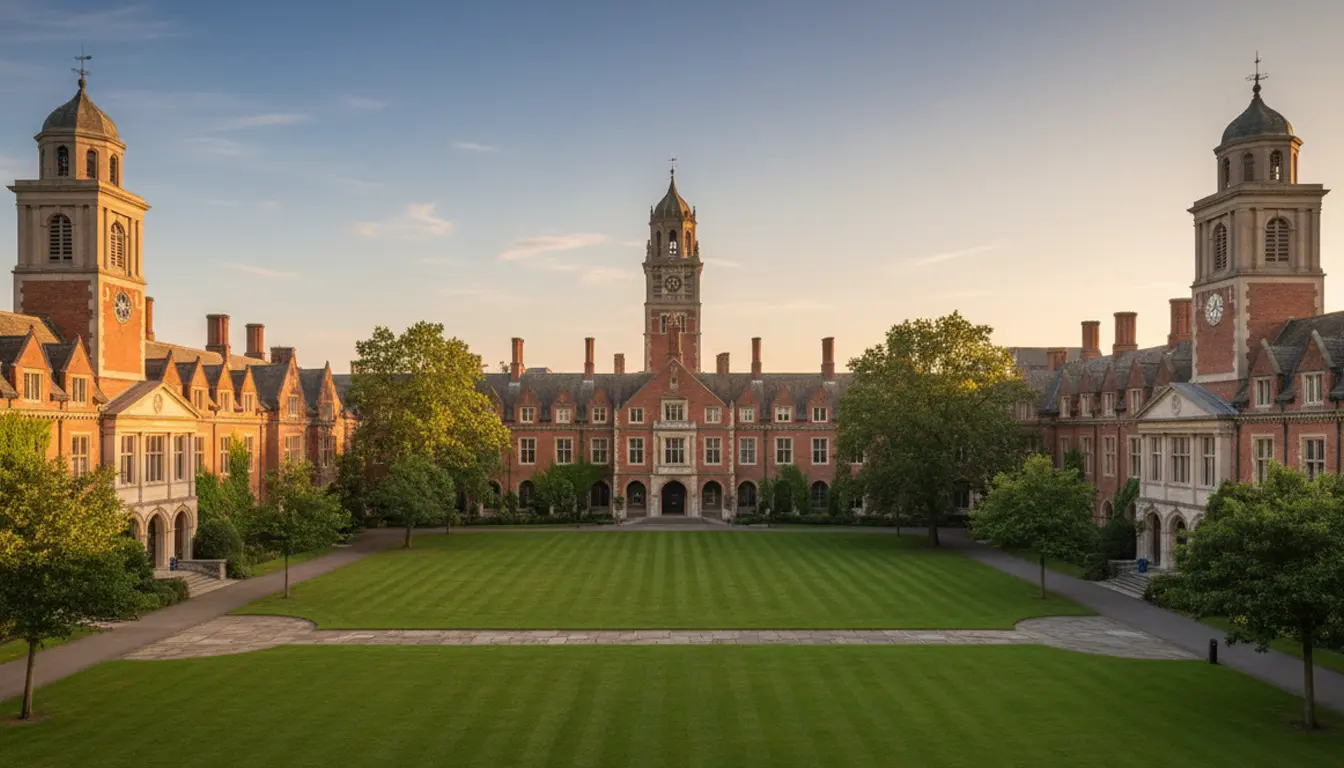
Known for Engineering, Data Science, Quantum Tech
Known for Business, Innovation, Tech Management
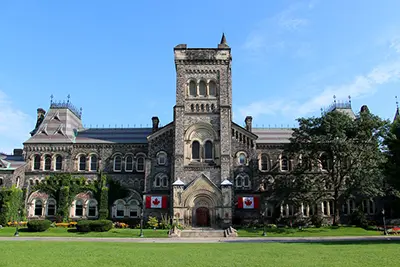
Known for International Relations, Politics, Public Affairs
Known for Arts, Humanities, Sciences
Known for AI, Computer Science, Physics
Known for Finance, Project Management, Data Analytics
Known for Aviation, Business Analytics, Supply Chain Management
Many of these universities rank in the Top 100–200 globally and offer programs in both English and French.
Pro Tips Before Shortlisting
- Language Flexibility: Choose English-taught programs if you’re not proficient in French, but consider taking basic French for everyday life and part-time jobs.
- Scholarship Impact: Some universities offer up to 100% scholarships—early applications boost your chances.
- Regional vs. Paris: Studying in regional cities like Lyon, Toulouse, or Lille often means lower living costs and better post-study visa extensions.
Not sure which course or university in France aligns with your career goals?
Our experts help you compare, shortlist, and plan your path with precision and clarity.
Finance
Tuition Fees and Cost of Living to Study in France
World-Class Education at Surprisingly Affordable Costs — With Smart Financial Planning and Support.
France is one of the most affordable study destinations in Europe, offering high-quality education at a fraction of the cost compared to countries like the UK, USA, or Australia. With subsidised tuition at public universities, a variety of scholarships, and lower living expenses in regional cities, studying in France can be both academically rewarding and financially manageable.
France offers two main types of higher education institutions: Public Universities and Grandes Écoles/Private Institutions, with fees differing significantly between them.
Tuition Fees (Annual Average)
France offers two main types of higher education institutions: Public Universities and Grandes Écoles/Private Institutions, with fees differing significantly between them.
Public University Fees
€2,770 – €3,000/year
₹2.5 – ₹2.7 lakhs/year
(Approx. in INR)
Private & Grandes Écoles Fees
€8,000 – €20,000/year
₹7 – ₹18 lakhs/year
(Approx. in INR)
Public University Fees
€3,770 – €4,000/year
₹3.3 – ₹3.6 lakhs/yearr
(Approx. in INR)
Private & Grandes Écoles Fees
€10,000 – €25,000/yea
₹9 – ₹22 lakhs/year
(Approx. in INR)
Public University Fees
Not usually offered in public
N/A
(Approx. in INR)
Private & Grandes Écoles Fees
€25,000 – €50,000/year
₹22 – ₹45 lakhs/year
(Approx. in INR)
Public University Fees
Often Free or Nominal Fees(In EUR)
Minimal cost
(Approx. in INR)
Private & Grandes Écoles Fees
Private research Ph.D.s: Higher fees(In EUR)
Varies
(Approx. in INR)
Key Insights:
- Public universities are heavily subsidised by the French government—even for international students.
- Private institutions (especially Business Schools) are costlier but offer high ROI, better networking, and global career placements.
Living Expenses (Monthly Averages)
Your living expenses in France will depend greatly on the city you choose—with Paris being the most expensive, and regional cities like Lyon, Lille, or Grenoble offering more affordable lifestyles.
€300 – €800
(Average Monthly Cost in EUR)
₹27,000 – ₹72,000
(Approx. in INR)
€150 – €300
(Average Monthly Cost in EUR)
₹13,000 – ₹27,000
(Approx. in INR)
€30 – €75
(Average Monthly Cost in EUR)
₹2,700 – ₹6,700
(Approx. in INR)
€25 – €40
(Average Monthly Cost in EUR)
₹2,200 – ₹3,500
(Approx. in INR)
€20 – €50
(Average Monthly Cost in EUR)
₹1,800 – ₹4,500
(Approx. in INR)
€100 – €200
(Average Monthly Cost in EUR)
₹9,000 – ₹18,000
(Approx. in INR)
- In Paris: €10,000 – €15,000/year → ₹9 – ₹13.5 lakhs/year
- In Regional Cities: €8,000 – €12,000/year → ₹7 – ₹11 lakhs/year
Living in student housing (CROUS) or shared apartments can significantly cut costs.
Additional One-Time Costs
€99
(Estimated Cost in EUR)
₹8,800
(Approx. in INR)
€50 – €75 (Estimated Cost in EUR)
4,500 – ₹6,800
(Approx. in INR)
€400 – €700
(Estimated Cost in EUR)
₹35,000 – ₹60,000
(Approx. in INR)
€200 – €400/year
(Estimated Cost in EUR)
₹18,000 – ₹36,000
(Approx. in INR)
Health insurance for non-EU students is mandatory but highly affordable under the French Social Security system.
Part-Time Work to Offset Costs
International students in France can legally work up to 964 hours per year (approx. 20 hours per week) during studies and full-time during holidays.
- Typical Student Pay: €10 – €13/hour → ₹900 – ₹1,200/hour
- Students often find part-time jobs in:
Retail
Cafés & Restaurants
University assistance
English tutoring
Many Master’s programs include internships (stages), which are paid and can help cover living costs.
Why Choose Us
Smart Planning with The Study Connect
- Calculate your total costs based on city, course, and lifestyle.
- Explore scholarships, fee waivers, and government funding.
- Get guidance on education loans, sponsor letters, and proof of funds for visa.
- Plan for part-time work and internship opportunities in France.
Scholarship
Scholarships for Studying in France
High-Quality Education Made Even More Accessible — Unlock Scholarship Opportunities to Reduce Costs.
France offers some of the most generous scholarship opportunities in Europe for international students, including Indian applicants. From government-funded awards to university-specific scholarships and private sector grants, there are multiple ways to fund your education and lower your financial burden.
With early planning and expert support from The Study Connect, you can improve your chances of winning scholarships that cover tuition fees, living expenses, or both.
Types of Scholarships Available in France
Who It’s For
High academic achievers, leadership potential, outstanding profiles
Who It’s For
Students from modest-income families demonstrating financial need
Who It’s For
Sponsored by the French or Indian government
Who It’s For
Grants and tuition waivers offered by individual French institutions
Who It’s For
For Master’s (by Research) or Ph.D. students
Who It’s For
Offered by companies or foundations linked to specific industries (e.g., energy, luxury, tech)
Many scholarships are automatically considered with the application, while others require separate application forms, essays, or interviews.
Popular Scholarships for Indian & International Students in France
(Offered By)
French Ministry for Europe & Foreign Affairs
Up to €1,181/month living allowance + full tuition + return flights
(Offered By)
French Embassy in India
Partial or full tuition coverage + living expenses
(Offered By)
Sciences Po Paris
€3,000 – €13,000 per year towards tuition
(Offered By)
ENS Lyon
€1,000/month for Master’s programs
(Offered By)
Business Schools
Up to 50–100% of MBA tuition fees
(Offered By)
French Government & Universities
Full funding for Master’s & Ph.D. research
(Offered By)
European Commission
Full tuition, travel, and living allowance for joint programs across multiple countries
Some universities also offer entrance-based scholarships or need-based discounts specifically for international students.
Why Choose Us
How The Study Connect Supports Your Scholarship Journey
- Shortlist scholarships based on your profile, field of study, and goals.
- Assist in writing compelling Statements of Purpose (SOPs), scholarship essays, and motivation letters.
- Guide you in preparing financial documents, recommendation letters, and academic portfolios.
- Provide timelines, reminders, and application tracking to keep you on schedule.
- Advise on combining scholarships with education loans or work opportunities for maximum affordability.
Trusted by world-class universities




Earning Opportunities
Work Opportunities for Students Want to Study in France
Earn While You Learn. Gain Global Experience. Open Doors to Careers in France and Beyond.
Studying in France not only gives you access to world-class education but also offers plenty of opportunities to work during and after your studies. France encourages international students to gain professional experience, manage living expenses, and build employability—both locally and across Europe.
Understanding France’s work regulations and visa pathways will help you maximize your study abroad journey and explore exciting career prospects.
Part-Time Work During Studies
International students in France are legally allowed to work part-time while pursuing their studies—helping you to support living costs, gain industry exposure, and build networks.
Up to 964 hours per year (~20 hours per week during term) and full-time during vacations
Must hold a valid VLS-TS Student Visa and be enrolled in a recognised institution
On-campus jobs, hospitality, retail, customer service, research assistantships, part-time internships
Approx. €11.65/hour (gross) (as of 2024) → ₹1,000–₹1,100/hour equivalent
Many universities also offer on-campus part-time positions or help students find internships linked to their field of study.
Where Can You Work?
Retail shops, cafés, restaurants, customer service
Retail stores, cafes, supermarkets, customer service, logistics
Internships (often mandatory for Master’s programs) with tech firms, banks, luxury brands, startups
Language tutoring, graphic design, web development—subject to visa restrictions
Many degree programs in France require internships (stages)—these are often paid and can extend your work experience within Europe.
Average Student Earnings in France
€11.65 – €15/hour
€700 – €1,200 (₹63K – ₹1.1L approx.)
€13 – €18/hour
€900 – €1,500/month
€600 – €1,500/month (often full-time)
Depends on program length
Many students use this income to cover expenses such as groceries, transport, and part of their rent.
Requirements for Working Legally in France
To work during your studies, you must:
- Hold a valid Student Visa (VLS-TS or Talent Passport Student)
- Be enrolled full-time in a recognised higher education institution
- Respect the legal work-hour limits (964 hours annually)
- Have an employment contract or internship agreement (for paid internships)
- Obtain a work authorisation letter (if required)—often integrated into the visa process
For internships longer than 2 months, French law mandates that you receive compensation (gratification).
Post-Study Work Opportunities in France
France offers generous post-study work rights for international graduates, allowing you to stay, work, and build a career in Europe after completing your degree.
(Post-Study Work Duration)Up to 2 years renewable residence permit (APS)
(Post-Study Work Duration)Short-term stay permit (6–12 months) for job search
(Post-Study Work Duration)Special residence permits for research and skilled work
Many graduates use this time to find jobs in high-demand sectors such as Technology, Finance, Luxury, Engineering, or Sustainability, and may eventually apply for French or EU permanent residency
France is part of the EU Blue Card system, allowing highly qualified non-EU nationals to work across Europe.
In-Demand Job Sectors in France for International Graduates
Software Developer, Data Analyst, AI Specialist
Brand Manager, Merchandising Executive, Digital Marketing
Aerospace Engineer, Mechanical Engineer, Robotics
Hotel Manager, Chef, Event Planner
Financial Analyst, Business Consultant, Marketing Analyst
Renewable Energy Specialist, CSR Officer
Need Help Navigating Work Rights, Internships, and Careers in France?
From finding part-time jobs to planning your post-study career path, The Study Connect provides expert advice, visa support, and career guidance—so you can succeed in France and beyond.
How to apply
Application Process for Studying in France
From University Shortlist to Visa Approval — Step-by-Step Guidance for a Smooth and Successful Application.
Applying to study in France involves several key stages, including choosing the right program, preparing documents, handling the Campus France process, securing a student visa, and finally, planning your travel.
At The Study Connect, we simplify the process for you—providing hands-on support, document reviews, deadline management, and visa assistance every step of the way.
Here’s What a Typical France Application Journey Looks Like:
1. Research & Shortlisting
The first step is choosing the right university, course, and intake based on your academic profile, career goals, and budget.
We help you:
- Compare public universities, Grandes Écoles, and private institutions
- Identify English-taught vs. French-taught programs
- Explore fields aligned with your PR pathways and global career options
- Plan your intake:
- September (Main Intake)
- January/February (Business Schools or Limited Programs)
- September (Main Intake)
Our experts also help you evaluate:
- Course content & internships
- City & cost of living
- Scholarship opportunities
2. Prepare Required Documents
A successful application to French universities and Campus France requires careful document preparation and presentation.
Academic Transcripts & Certificates (10th, 12th, Degree) needed for University application & Campus France file.
Passport (Valid) needed for identity verification and visa processing.
English Proficiency (IELTS/TOEFL/PTE) or French Proficiency (DELF/DALF/TCF) needed for language eligibility for course and visa.
Statement of Purpose (SOP) / Motivation Letter needed for admissions and visa process.
Letters of Recommendation (LORs) needed from professors or employers.
CV/Resume needed for Master’s, MBA, or Ph.D. applications.
Portfolio (if applicable) needed for design, art, architecture, or fashion programs.
Financial Proofs (for Visa) needed for bank balance, education loan, or sponsorship verification.
The Study Connect team helps you draft, review, and refine every document to meet French academic and visa expectations.
3. Campus France Application (Compulsory for Indian Students)
- Register on Etudes en France (Campus France platform) — this is mandatory for all Indian applicants.
- Upload documents, pay Campus France fee (€50–€75), and schedule an academic interview (online or in-person).
- Once approved, you receive the Campus France NOC (No Objection Certificate)—essential for visa filing.
We help you with:
- Profile creation and document uploads
- Interview preparation (common questions & best practices)
- Tracking approvals and follow-ups
4. Submit University Applications
Depending on the institution, applications are submitted either:
- Directly to the university (public or private)
- Or via Campus France for centralised admissions
We help manage:
- Application forms
- Document uploads
- Payment of application fees (if applicable)
- Scholarship applications (where separate forms are required)
Many universities respond within 4–8 weeks after submission.
5. Receive Offer Letter & Confirm Admission
You will receive either:
- Unconditional Offer: All entry requirements are met → move to visa stage
- Conditional Offer: Awaiting final exam results, language test, or pending documents
We help you evaluate multiple offers based on:
- Tuition costs
- City and living expenses
- Career prospects & post-study work opportunities
Confirm your seat by paying the enrollment deposit (if applicable).
6. Financial Preparation & Visa Documentation
To apply for your France Student Visa (VLS-TS), you’ll need:
Proof of Funds (12 months living expenses) – Minimum €7,440 (approx. ₹6.8–₹7 lakhs) required.
Tuition Fee Proof – Paid or partially paid university fees.
Health Insurance (for students over 28 years old) – Private insurance required.
Accommodation Proof – Initial stay confirmation or housing agreement.
We help you:
- Arrange bank balance proofs or education loan letters
- Secure accommodation proof
- Ensure all financial documents meet embassy standards
7. Apply for France Student Visa (VLS-TS)
Visa Process Steps:
- Apply online through France-Visas portal
- Pay Visa Fee: €99 (approx. ₹8,800)
- Schedule a biometric appointment at VFS Global
- Submit passport, Campus France NOC, CoE (Offer Letter), financial documents
- Track application & await approval
We provide:
- Visa form guidance
- Document checklist reviews
- Mock interviews & GTE guidance (if applicable)
Processing time: Typically 3–6 weeks.
8. Plan for Departure & Arrival in France
Pre-Departure Checklist
Flight Booking – Plan arrival around university orientation dates.
Accommodation – Confirm temporary or permanent housing arrangements.
Packing Essentials – Include weather-appropriate clothing, plug adapters, and prescribed medicines.
Document Folder – Carry Passport, Visa, Offer Letter, and Financial Proofs in hand baggage.
French SIM & Banking – Set up a local mobile number and open a student bank account after arrival.
University Orientation – Attend in-person or online welcome sessions organized by your university.
The Study Connect offers pre-departure webinars, city guides, and arrival checklists to help you settle smoothly in France.
Your France Study Journey Fully Supported by The Study Connect
From shortlisting to take-off, we help you navigate every step of the French application process without confusion or delays.
Or start exploring:
How We Help
How The Study Connect Helps with Your France Application
Your Study Abroad Journey. Simplified, Structured, and Fully Supported — Every Step of the Way.
Applying to French universities can feel overwhelming—multiple portals, Campus France requirements, strict visa documentation, and unfamiliar systems. Even a small mistake can result in application rejections, visa delays, or missed intakes.
At The Study Connect, we’re here to ensure that doesn’t happen.
We provide end-to-end personalised support, so your study in France journey is smooth, stress-free, and successful.
Here’s How We Help You Through Every Milestone of Your France Study Journey:
We don’t give you generic lists—we help you strategically select universities and programs that align with your:
- Academic profile and career ambitions
- Budget and scholarship potential
- Language preferences (English or French-taught)
- Post-study work and PR prospects
We help you compare between Public Universities, Grandes Écoles, Business Schools, and Specialised Institutions—ensuring you apply to courses that are practical, employable, and future-proof.
French universities and Campus France place great emphasis on motivation letters (SOPs), academic narratives, and interview performance.
We help you:
- Craft compelling SOPs/Motivation Letters that highlight your goals, strengths, and fit with the program.
- Guide your referees to write powerful LORs.
- Polish your CV or academic résumé for Master’s, MBA, or research applications.
- Prepare for Campus France academic interviews with mock sessions and Q&A preparation
We take care of:
- Shortlisting deadlines and mapping out your application calendar.
- Submitting applications to multiple universities—directly or via Campus France.
- Helping with scholarship applications that run parallel to admissions.
- Keeping you updated via a shared application tracker—so you’re always in control.
You’ll always know what’s done, what’s pending, and what’s next—with zero guesswork.
Studying in France can be surprisingly affordable with the right scholarships—but most students either miss the deadlines or apply ineffectively.
We help you:
- Identify scholarships like Eiffel Excellence, Charpak, Erasmus+, and university-specific awards.
- Write powerful scholarship essays that improve your chances.
- Guide you on education loan planning, sponsor documentation, and fee waivers.
Many students we work with save between ₹3 lakhs and ₹10+ lakhs through effective financial planning and scholarships.
The French visa system (VLS-TS) and Campus France validation can be complicated—especially when it comes to financial proof.
We guide you through:
- Blocked account or bank balance setup for proof of funds.
- Campus France file preparation and NOC process.
- Visa documentation including health insurance, accommodation proofs, and financial statements.
- Mock interviews to help you present your case clearly.
Our goal is to ensure your visa approval on the first attempt—with zero last-minute surprises.
Your journey doesn’t end when you get your visa—it truly begins when you arrive in France.
We help you with:
- Flight booking advice
- Accommodation guidance (short-term & long-term)
- Packing checklists & cultural orientation
- Bank account setup, local SIM, transport & apps
- University orientation and initial weeks guidance
We help you land safely, settle smoothly, and start your student life confidently.
- 1-on-1 WhatsApp & call-based support
- Shared progress trackers and milestone updates
- Quick response for urgent concerns
- Ongoing check-ins—before and after you reach France
We’re with you from the first consultation to the first day on campus—and beyond.
Your France Study Success Story Starts Here
From choosing the right course to getting your visa stamped, let The Study Connect make your France study journey easy, clear, and successful.
Or get started now:
FAQs
Frequently Asked Questions
Studying in Germany
We’ve answered thousands of questions from students just like you. Here are some of the most common ones — with clear, no-fluff answers.
1. What are the basic requirements to study in Canada?
- A valid passport
- Proof of acceptance from a Designated Learning Institution (DLI)
- Proof of funds (tuition + living expenses)
- English proficiency test scores (IELTS/TOEFL)
- A well-written SOP and academic transcripts
- A valid study permit (visa)
2. Can I study in Canada without IELTS?
3. How much bank balance is required for a Canadian study visa?
- CAD 10,000 in a Guaranteed Investment Certificate (GIC)
- Proof of first-year tuition payment
- Additional funds if your living expenses exceed CAD 10,000
4. How long does the Canada student visa process take?
To study in Canada as an international student, you typically need:
- A valid passport
- Proof of acceptance from a Designated Learning Institution (DLI)
- Proof of funds (tuition + living expenses)
- English proficiency test scores (IELTS/TOEFL)
- A well-written SOP and academic transcripts
- A valid study permit (visa)
5. Can I bring my spouse or dependents while studying?
- Your spouse may be eligible for an open work permit
- You may apply for dependent visas for children
Each case is unique, so it’s important to evaluate eligibility beforehand.
6. Are scholarships available for Indian students in Canada?
- Vanier Canada Graduate Scholarships
- University-specific entrance awards
- Province-specific funding schemes
We help you shortlist scholarships based on your profile.