Study in Germany
An Innovation Hub, Center for Excellence and a Land of Researches- A global Hub for Technology
- Home
- Study in Germany

Study In Germany
Thinking About Studying in Germany?
- Public universities offer zero or extremely low tuition fees, even for international students
- Globally recognized degrees in Engineering, Data Science, Management, and more
- 18-month post-study work visa allows graduates to stay and find a job
- Strong economy with high demand for skilled professionals and English-taught job roles
- Hundreds of English-taught Bachelor’s and Master’s programs across disciplines
- Exceptional public transport, student-friendly cities, and safe living conditions
- Central location in Europe with Schengen access — travel easily across 29+ countries
- Vibrant multicultural environment with 400,000+ international students
- DAAD and university-specific scholarships for Indian students
Education
Education System in Germany
Duration:
Typically 3 years
Structure:
Foundation modules in the first year, followed by major-specific courses in later semestersLanguage:
Mostly in German, but a growing number of English-taught Bachelor’s programs are available, especially in technical fields
Integrated Internships:
Many programs offer practical training components or mandatory industry placements
Popular Fields:
Mechanical Engineering, Computer Science, Business Administration, Life Sciences, Automotive Technology
Duration: Usually 2 years (4 semesters)Types:
Consecutive Master’s:
Builds upon a related Bachelor’s degree
Non-consecutive Master’s:
Open to students with unrelated Bachelor’s (subject to prerequisites)
Executive/Professional Master’s:
For working professionals (often part-time or modular)
Language:
Hundreds of English-taught Master’s programs across public and private universities
www.daad.deThesis Focus:
Most Master’s programs culminate in a semester-long research thesisPopular Fields:
Data Science, Artificial Intelligence, Automotive Engineering, Finance, Environmental Science, International Management
Duration: 3–5 yearsStructure: Independent research under the guidance of a doctoral advisor or as part of a structured programFunding: Many Ph.D. students are paid research assistants or receive scholarships from DAAD, DFG (German Research Foundation), or university programsFields: Engineering, Medicine, Natural Sciences, Economics, Humanities
Work While You Study: Ph.D. students often work part-time in teaching or industry while completing their research
Types of Higher Education Institutions in Germany
Research-focused; offer Ph.D. programs; ideal for academic or theoretical fields
Practical, industry-oriented education; strong focus on internships and job readiness
Specialized in Engineering, Technology, and Natural Sciences with strong R&D output
Offer personalized learning environments, often with higher tuition fees and smaller class sizes
Credit System & Evaluation
- ECTS System: Most German degrees follow the European Credit Transfer System (ECTS)
- Bachelor’s Degrees: Require 180–210 ECTS
- Master’s Degrees: Require 60–120 ECTS
- Assessment Methods: Include written exams, presentations, project work, lab reports, and final thesis
- Grading Scale: German universities typically use a 1.0–5.0 scale (1.0 = Excellent, 4.0 = Pass, 5.0 = Fail)
Intakes in Germany
Flexible Application Windows. Strategically Timed Entry Points.
German universities usually offer two main intakes each year, giving students enough flexibility to plan their study abroad journey effectively.
(Starts in September/October)
Main intake for most universities. Offers the highest number of courses, especially for Master’s programs. Application deadlines usually fall between May–July.
(Starts in March/April)
Limited availability, mainly in selected Master’s or advanced undergraduate programs. Deadlines typically range from November–January.
- Start Early: Begin preparation at least 8–10 months in advance due to document verification and visa timelines
- Winter Intake = Maximum Options: Most international programs and scholarships are available during this period
- Language Prep: If applying for German-taught programs, plan for TestDaF or DSH certification well in advance
- UniAssist: Many public universities require applications via uni-assist.de, which takes additional time for document processing
- Private Universities: Often have rolling intakes or flexible admission windows
Courses
Popular Courses and Top Universities to Study in Germany
Popular Courses Among International Students
Germany is the birthplace of engineering excellence, home to world-renowned companies like BMW, Mercedes-Benz, Siemens, and Bosch. Engineering programs emphasize deep theoretical knowledge combined with hands-on lab work and industry internships.Popular Job Roles: Mechanical Engineer, Automotive Engineer, Robotics Engineer, Electrical Systems DesignerTop Employers: BMW, Volkswagen, Bosch, Siemens, Audi, MAN Energy Solutions
With Germany’s rise as a European tech hub, Computer Science programs are booming. Universities offer specialisations in Artificial Intelligence, Data Science, Cybersecurity, and Cloud Computing, often taught entirely in English with strong career pathways. Popular Job Roles: Software Developer, AI Engineer, Data Scientist, IT Security AnalystTop Employers: BMW, Volkswagen, Bosch, Siemens, Audi, MAN Energy Solutions
Germany is Europe's largest economy, making it a hotspot for Business and Management studies. Programs often blend theoretical knowledge with practical exposure through internships, consulting projects, and case studies.. Popular Job Roles: Business Analyst, Financial Controller, Supply Chain Manager, Marketing Consultant Top Employers: Allianz, Deutsche Bank, BMW Group, Siemens, DHL, PwC Germany
With Germany as the global leader in automobile manufacturing and innovation, specialized programs in Automotive Engineering, Mobility, and Sustainable Transport are in high demand. Popular Job Roles: Automotive Design Engineer, Electric Vehicle Engineer, Mobility Solutions SpecialistTop Employers: Porsche, Continental AG, Daimler AG, Bosch Engineering, AUDI, BMW, Mercedes
Germany’s leadership in green energy transition (Energiewende) makes it a top destination for studies in Renewable Energy, Environmental Engineering, and Sustainable Development. Popular Job Roles: Renewable Energy Consultant, Environmental Engineer, Sustainability AnalystTop Employers: Siemens Energy, E.ON, RWE Renewables, Fraunhofer Institute
Germany’s strong pharmaceutical and healthcare industries drive demand for Life Sciences graduates, particularly in Biotechnology, Biomedical Engineering, and Public Health. Popular Job Roles: Clinical Research Associate, Biotech Scientist, Epidemiologist, Public Health AnalystTop Employers: Bayer, Boehringer Ingelheim, Roche Diagnostics, Charité University Hospital
With the EU’s rapid digital transformation, German universities have developed cutting-edge programs in Big Data, Machine Learning, and AI, often connected to applied research centers.Popular Job Roles: Data Analyst, Machine Learning Engineer, AI Specialist, Business Intelligence ManagerTop Employers: SAP, Siemens, IBM Germany, Deutsche Börse, Startups across Berlin & Munich
Top Universities in Germany for International Students

Known for Engineering, Computer Science, AI, Business
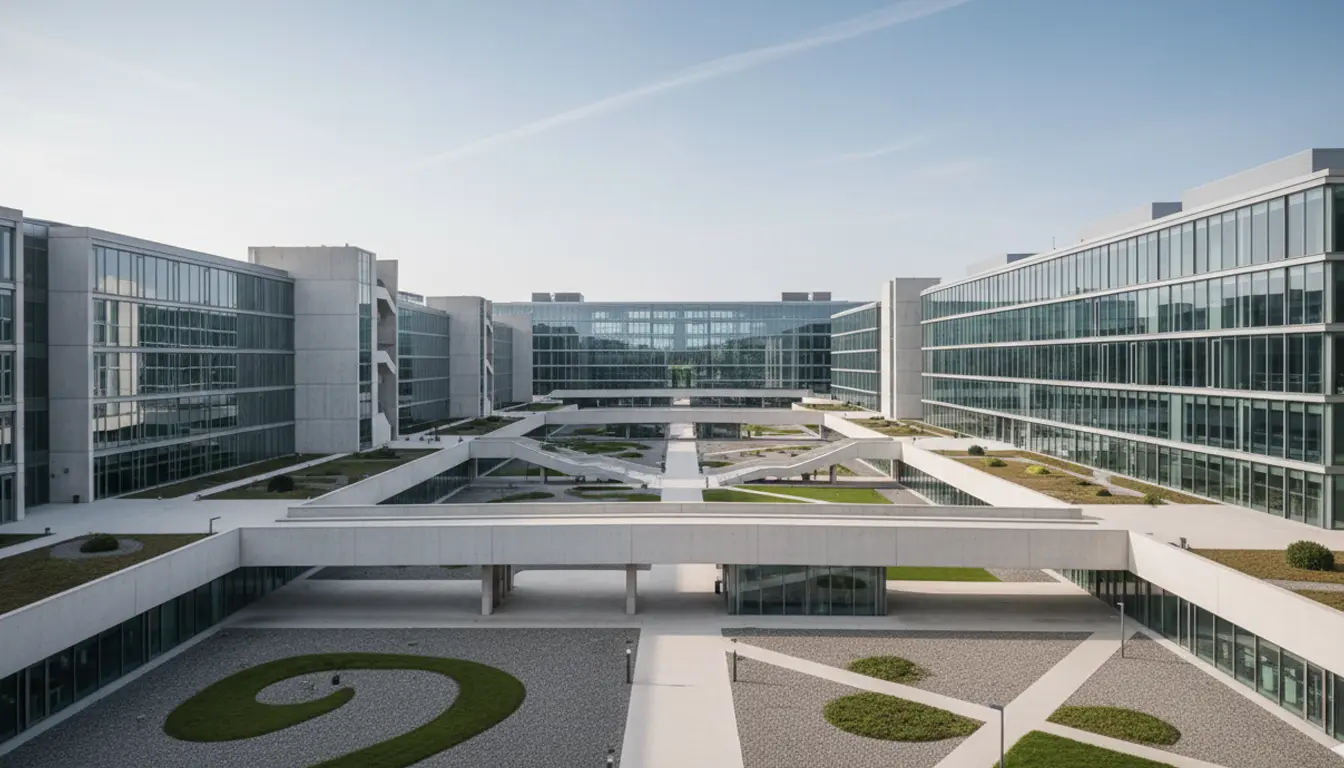
Known for Mechanical Engineering, Automotive, Electrical
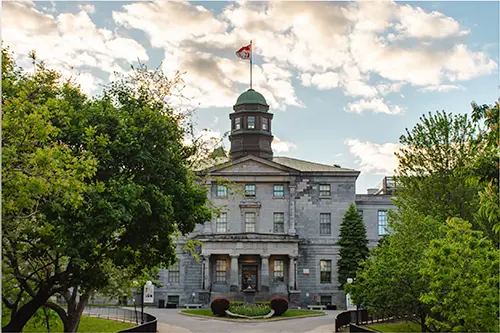
Known for Life Sciences, Medicine, Humanities
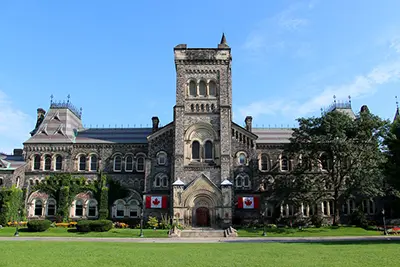
Known for Biomedical Sciences, Public Health, Law
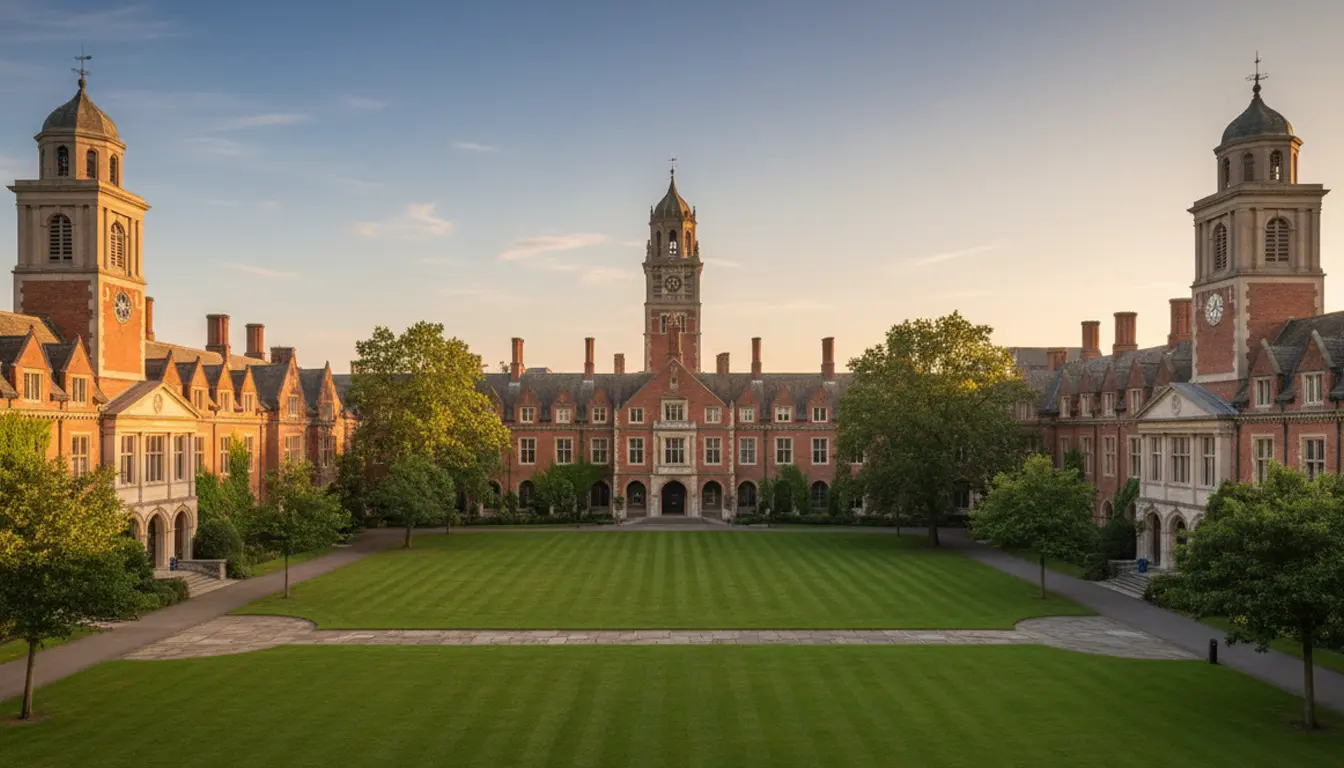
Known for Renewable Energy, Environmental Studies, Medicine
Known for Computer Science, Data Science, Energy Systems
Known for Business, Economics, Social Sciences
Known for Finance, Banking, International Business
Known for Political Science, International Relations, Humanities
Known for Law, Literature, History, Natural Sciences
- Go Beyond Rankings: Consider city lifestyle, internship opportunities, language of instruction, and living costs.
- English-Taught Programs: Many top universities offer fully English-taught Master’s programs — check availability early.
- Public vs. Private:Public universities often have minimal or zero tuition, while private institutions may offer niche programs with smaller class sizes.
- Research Industry Links: Germany’s strong university-industry ties can boost employability through paid internships or research projects.
- Stay & Work: Opt for programs eligible for the 18-month post-study work visa to maximize job prospects after graduation.
Finance
Tuition Fees and Cost of Living to Study in Germany
One of the biggest advantages of studying in Germany is the exceptionally low cost of education — especially at public universities where tuition is often waived entirely, even for international students. Combine that with moderate living expenses compared to other European countries, and Germany becomes one of the most cost-effective study destinations in the world.
With careful financial planning and guidance from The Study Connect, your dream of studying in Germany can be far more affordable than you might imagine.
Tuition Fees (Annual Average)
In Germany, tuition fees vary primarily based on whether you choose a public or private university, the language of instruction, and the level of study.
€0 – €1,500per semester
(Average Annual Tuition)
₹0 – ₹1.35 lakhs/year
(Approx. in INR)
€8,000 – €20,000 per year
(Average Annual Tuition)
₹7 – ₹18 lakhs/year
(Approx. in INR)
€15,000 – €35,000 per year
(Average Annual Tuition)
₹13 – ₹31 lakhs/year
(Approx. in INR)
Usually Free (nominal fees only)
(Average Annual Tuition)
₹0 – ₹1 lakh/year
(Approx. in INR)
- Public universities: Typically do not charge tuition fees for most Bachelor’s and many Master’s programs. You’ll only pay a semester contribution covering administration, public transport, and student services (roughly €250–€350 per semester).
- Private universities: Charge full tuition, but offer niche programs, smaller class sizes, and English-taught options.
- PhD: Most doctoral programs are fully funded or involve paid research positions.
Living Expenses (Monthly Averages)
€300 – €600
(Average Monthly Cost in EUR)
₹27,000 – ₹55,000
(Approx. in INR)
€150 – €250
(Average Monthly Cost in EUR)
₹13,500 – ₹22,500
(Approx. in INR)
€120 – €150
(Average Monthly Cost in EUR)
₹10,500 – ₹13,500
(Approx. in INR)
€80 – €120
(Average Monthly Cost in EUR)
₹7,200 – ₹10,800
(Approx. in INR)
€50 – €100
(Average Monthly Cost in EUR)
₹4,500 – ₹9,000
(Approx. in INR)
Pro Tip: Living costs in cities like Berlin, Frankfurt, or Munich can be higher, while smaller towns offer more affordable housing and day-to-day expenses.
Additional One-Time Costs
Apart from tuition and living costs, here are some common one-time or initial costs to keep in mind when planning your study abroad budget:
€75
(Estimated Cost in EUR)
₹6,500
(Approx. in INR)
€11,208/year (as of 2024)
(Estimated Cost)
₹9.8 – ₹10 lakhs (refundable monthly allowance)
(Approx. in INR)
€400 – €700
(Estimated Cost in EUR)
₹35,000 – ₹65,000
(Approx. in INR)
€200 – €400/year
(Estimated Cost in EUR)
₹18,000 – ₹36,000/year
(Approx. in INR)
Blocked Account Tip: This is a mandatory requirement for student visas, showing you have enough funds to cover living expenses. The money remains accessible once you arrive, paid out in monthly installments.
Why Choose Us
Smart Planning with The Study Connect
- We help you calculate total costs based on city, university, and course.
- We assist in scholarship applications and finding low-cost public universities.
- We guide you through blocked account setup and visa paperwork.
Scholarship
Scholarships for Studying in Germany
Top-Quality Education at Little or No Cost — With Generous Scholarship Opportunities.
Germany is already one of the most affordable study destinations, thanks to tuition-free education at most public universities. But did you know that numerous scholarships, grants, and funding programs are available to further ease your financial burden?
With careful planning, a well-crafted application, and support from The Study Connect, you could significantly reduce — or even fully cover — your study and living expenses in Germany.
Types of Scholarships Available
Who It’s For
High-performing students with strong academic records, research achievements, or outstanding project work
Who It’s For
Students from financially disadvantaged backgrounds who can demonstrate genuine need
Who It’s For
Applicants pursuing high-demand fields like Engineering, Data Science, Renewable Energy, or Health Sciences
Who It’s For
Scholarships offered by the German government or EU institutions for international students
Who It’s For
Financial aid directly offered by individual German universities or departments
Who It’s For
Awards from corporate sponsors, non-profits, or international organizations (especially in research and STEM)
Pro Tip: Many German scholarships are partially funded, covering living costs, travel, or research expenses — but fully-funded scholarships are also available for top candidates, especially at the Master’s and Ph.D. levels.
Popular Scholarships for Indian & International Students in Germany
(Offered By)
German Government (DAAD)
Full or partial tuition, monthly stipend, travel allowance, health insurance — covers Master’s, Ph.D., and research
(Offered By)
Federal Govt. + Universities
€300/month financial support for high-performing students in any field
(Offered By)
European Commission + Universities
Tuition, living costs, travel for exchange semesters or joint Master’s programs
(Offered By)
Political Foundation
Funding for Master’s and Ph.D. students focusing on social sciences, politics, law
(Offered By)
FES Foundation
Supports students committed to social justice or civic engagement
(Offered By)
Green political foundation
Full/partial funding for Master’s and Doctoral programs in select fields
(Offered By)
Alexander von Humboldt Foundation
Post-doctoral and advanced research scholarships
(Offered By)
E.g., RWTH Aachen, TUM, Heidelberg
Merit-based tuition waivers, research assistantships, or project grants
Special Note for Indian Students:
The DAAD India Office offers dedicated support, events, and resources for Indian applicants, making it easier to access scholarships, internships, and research opportunities tailored to Indian students.
Why Choose Us
How The Study Connect Supports Your Scholarship Journey
- We help you identify the right scholarships based on your course, background, and ambitions.
- We assist you in drafting strong Statements of Purpose (SOPs), motivational letters, essays, and recommendation requests.
- We guide you in preparing financial documents, income proofs, academic transcripts, and language certificates.
- We help you track application deadlines and prioritize submissions to meet strict timelines.
- We provide curated lists of scholarships per intake, field of study, and university.
Trusted by world-class universities

Earning Opportunities
Work Opportunities for Students Want to Study in Germany
Earn While You Learn. Gain Global Experience. Build a Career in Europe’s Strongest Economy.
Germany not only offers world-class education at minimal tuition costs but also provides excellent opportunities for international students to gain valuable work experience, support their living expenses, and explore career pathways post-graduation.
Whether you’re interested in part-time jobs during your studies or planning to work full-time after graduation, understanding Germany’s work regulations and opportunities will help you make the most of your time abroad.
Part-Time Work During Studies
International students holding a valid German student visa (national D-visa) are legally permitted to work part-time while pursuing their studies, within specific guidelines.
Up to 120 full days OR 240 half-days per calendar year. Internships are counted within this quota unless mandatory.
Must be enrolled in a full-time program at a recognized German higher education institution.
On-campus jobs, research assistant roles, part-time retail or hospitality jobs, freelance (with limitations), internships.
Full-time permanent jobs, self-employment in regulated professions, or exceeding the legal work hour limits without approval.
Pro Tip: Many universities offer student research assistant positions (HiWi jobs) which are not only better paid but also enhance your academic and professional profile.
Where Can You Work?
Library assistant, IT helpdesk, student services, research projects, lab support
Retail stores, cafes, supermarkets, customer service, logistics
Paid or unpaid — some are integrated into your degree; some are optional for work experience
Digital marketing, graphic design, web development, language tutoring (note: self-employment has stricter visa rules)
Many German study programs, particularly in engineering, business, and tech, actively encourage internships as part of the curriculum — offering full-time work opportunities for several months.
Average Student Earnings in Germany
€10 – €15/hour
€800 – €1,200/month
€12 – €18/hour
€960 – €1,440/month
€1,200 – €2,500/month (full-time internships)
N/A (depends on duration & program)
Many students use this income to cover living expenses, transport, and day-to-day costs. In some cities, it can partially offset rent as well.
Requirements for Working While Studying in Germany
To work legally as an international student in Germany, you must:
- Hold a valid German student visa (D-Visa).
- Be enrolled full-time at a recognized university or college.
- Stay within the 120 full days / 240 half days rule (or get approval for exceptions).
- If pursuing an internship, confirm if it’s mandatory (academic) or voluntary (counts toward work quota).
- Ensure your work hours do not interfere with academic performance.
Post-Study Work Opportunities in Germany
Germany offers one of the most generous post-study work options in Europe — allowing graduates to stay, work, and even transition to permanent residence.
(Post-Study Work Duration)Up to 18 months job search visa after graduation
(Post-Study Work Duration)Same rights as above — plus enhanced residency pathways
During this period, you can work in any job (no restrictions) while searching for a skilled role aligned with your studies.
Once employed, you may apply for an EU Blue Card or German Work Permit for longer-term residence and career building.
In-Demand Job Sectors in Germany for International Graduates
Mechanical Engineer, Automotive Engineer, Electrical Engineer
Software Developer, Data Analyst, Cybersecurity Specialist
Financial Analyst, Marketing Specialist, Supply Chain Manager
Sustainability Consultant, Green Energy Engineer
Clinical Research Associate, Biotech Scientist
Ph.D. Researcher, Postdoc Fellow, Teaching Assistant
Germany’s high demand for STEM, IT, and engineering talent makes it one of the easiest European countries for skilled migration post-study.
Need Help Navigating Your Work Rights and Career Planning in Germany?
From part-time job searches to crafting your post-study career path, The Study Connect team can guide you every step of the way — so you can make the most of your time and investment in Germany.
How to apply
Application Process for Studying in Germany
From University Shortlist to Visa Stamp — End-to-End Guidance for a Smooth Journey.
Applying to study in Germany is more than just filling out application forms — it’s a step-by-step process that requires careful planning, documentation, and timing. With multiple public and private universities, varying deadlines, and visa formalities, having the right guidance is key to ensuring your application is successful.
At The Study Connect, we walk with you through every stage — from shortlisting the perfect course to getting your student visa stamped.
Here’s What a Typical Germany Application Journey Looks Like:
1. Research & Shortlisting
- Universities (for research & academic focus)
- Fachhochschulen (Universities of Applied Sciences for industry-focused programs)
- Technical Universities (for STEM & engineering excellence)
2. Prepare Required Documents
Each university and program may have slightly different requirements, but here’s a general checklist:
- Academic Transcripts (10th, 12th, Degree certificates) needed for Eligibility and GPA verification
- Valid Passport needed for Identity proof for university and visa
- Language Proficiency Scores (IELTS, TOEFL, or German language certification like TestDaF/DSH) needed for Language eligibility
- Statement of Purpose (SOP)/Motivation Letter needed for Explaining your academic and career goals
- Letters of Recommendation (LORs) needed for Academic or professional references
- Resume or CV needed for Required for Master’s and Ph.D. applications
- Portfolio (if applicable) needed for creative fields (design, arts, architecture)
- APS Certificate (New requirement for Indian students applying for German-taught UG/PG) needed for Academic evaluation for visa and admission
Don’t worry about formatting or wording — The Study Connect team helps you draft, review, and perfect each document to meet German university standards.
3. Submit Applications
Germany doesn’t have a centralized application portal like some countries — most applications are either:
- Directly through university portals, or
- Via Uni-Assist.de (a service that processes international applications for many public universities).
Review university deadlines carefully (most winter intake deadlines fall between May–July).
Fill out applications meticulously, upload documents, and pay any applicable fees.
Track application status and respond to follow-up requests for interviews, missing documents, or additional paperwork.
The Study Connect manages this process for you with application trackers and regular updates — so you never miss a deadline.
4. Receive Offer Letter (Admission Notification)
German universities issue one of the following:
- Unconditional Admission (Zulassungsbescheid): You meet all criteria — ready for visa stage.
- Conditional Admission: Requires submission of pending documents (e.g., degree completion, language scores).
- Rejection: In case of missing eligibility, we help you re-strategize for other options.
Once you have your offer, confirm your acceptance and check for any enrollment deposit requirements.
5. Financial Preparation & Blocked Account
To apply for a German student visa, you need to demonstrate sufficient funds to cover living expenses through a Blocked Bank Account (Sperrkonto).
Requirements:
- Proof of Funds (€11,208/year → Approx. ₹11 lakhs)
- Accepted Methods ( Blocked Account, Scholarship Award Letter, Parental Sponsorship with affidavits )
The Study Connect helps you choose the right blocked account provider, ensures your financial documents meet embassy standards, and assists in education loan guidance if needed.
6. Apply for German Student Visa (National D-Visa)
You can apply for your visa once you have the university admission letter and blocked account set up.
Visa Process:
- Gather required documents:
- Admission Letter
- Blocked Account Confirmation
- Passport, APS Certificate (mandatory for Indians)
- Health Insurance (temporary travel insurance is acceptable initially)
- Admission Letter
- Fill out Germany national visa application form online.
- Schedule and attend your biometric appointment at the German consulate or VFS center.
- Submit your documents and wait for processing.
Visa Processing Time: Typically 4–8 weeks, but timelines vary.
The Study Connect team provides:
- Mock interviews (if applicable)
- Document checks to avoid rejection
Guidance on visa forms & insurance requirements.
7. Plan for Departure
Once your visa is approved, it’s time to get ready for your new life in Germany!
Pre-Departure Checklist:
- Flight Booking ( Arrive 2–4 weeks before course starts )
- Accommodation ( Secure student housing, private rentals, or temporary stay )
- Fully Covered Health Insurance ( Mandatory from the day you enter Germany )
- Document Folder ( Passport, Visa, Admission Letter, Blocked Account, Insurance )
- Packing ( Weather-appropriate clothing, prescriptions, electronics )
- German SIM & Apps ( Banking apps, public transport, student discounts )
The Study Connect offers pre-departure webinars, packing checklists, cultural tips, and connects you with other students heading to the same university.
Your Germany Study Dream Starts Here
From university selection to visa success, we make sure your study abroad journey is stress-free, well-organized, and fully supported.
How We Help
How The Study Connect Helps with Your Germany Application
Your Study Abroad Journey. Simplified, Structured, and Stress-Free — Every Step of the Way.
Applying to German universities can feel overwhelming — multiple portals, varying document requirements, blocked account formalities, APS certificates, visa intricacies, and strict deadlines. One small misstep could delay your plans by 6–12 months or even lead to visa rejections.
At The Study Connect, we make sure that doesn’t happen.
We stand by you through every milestone — from choosing the right course to landing in Germany with confidence.
- Compare between Technical Universities vs. Universities of Applied Sciences (Fachhochschulen).
- Consider English-taught vs. German-taught programs based on your language comfort and career goals.
- Evaluate public vs. private universities to balance costs and program availability. Choose the right intake (Winter or Summer) to avoid missing deadlines.
- We help you brainstorm, draft, and polish your Statement of Purpose (SOP) / Motivation Letter to reflect your goals and strengths.
- Get support in crafting strong Letters of Recommendation (LORs) that highlight the right qualities.
- Resume/CV editing for German formats, including for Master’s, Ph.D., and research applications.
- Full assistance with APS Certificate application — including document preparation, timelines, and best practices to avoid delays.
- University-specific application guidance — including document uploads, SOP submissions, and application fee payments.
- Real-time shared tracker to monitor all applications in one place.
- Proactive deadline management and follow-up alerts — so you’re always ahead of the curve.
- We help manage multiple applications simultaneously to maximize your success rate.
- Identify the right scholarships based on your course, profile, and achievements.
- Guidance on writing scholarship essays, financial need statements, and DAAD applications.
- Support for education loans, fee waivers, and early bird discounts where available.
- We help you minimize your out-of-pocket costs, saving anywhere from ₹1 lakh to ₹10 lakhs in some cases.
- Help you set up your Blocked Account (Sperrkonto) with trusted providers.
- Guide you through health insurance requirements (both temporary and full coverage).
- Review and assist with visa forms, appointment booking, and document checklists.
- Conduct mock visa interview preparation to boost your confidence. Provide latest visa updates, including handling of APS certificate timelines.
- Pre-departure webinars, packing checklists, and student life tips.
- Assistance with accommodation booking (student housing, shared flats, temporary stays).
- Help setting up health insurance, SIM cards, transport apps, and bank accounts.
- Guidance on university orientation sessions and local registrations.
- 1:1 WhatsApp and call-based counseling.
- Shared progress trackers and regular follow-ups.
- Emergency assistance and reminders for every critical step.
Join Hundreds Who’ve Made Their German Study Dream a Reality
FAQs
Frequently Asked Questions
Studying in Germany
We’ve answered thousands of questions from students just like you. Here are some of the most common ones — with clear, no-fluff answers.
1. What are the basic requirements to study in Canada?
- A valid passport
- Proof of acceptance from a Designated Learning Institution (DLI)
- Proof of funds (tuition + living expenses)
- English proficiency test scores (IELTS/TOEFL)
- A well-written SOP and academic transcripts
- A valid study permit (visa)
2. Can I study in Canada without IELTS?
3. How much bank balance is required for a Canadian study visa?
- CAD 10,000 in a Guaranteed Investment Certificate (GIC)
- Proof of first-year tuition payment
- Additional funds if your living expenses exceed CAD 10,000
4. How long does the Canada student visa process take?
To study in Canada as an international student, you typically need:
- A valid passport
- Proof of acceptance from a Designated Learning Institution (DLI)
- Proof of funds (tuition + living expenses)
- English proficiency test scores (IELTS/TOEFL)
- A well-written SOP and academic transcripts
- A valid study permit (visa)
5. Can I bring my spouse or dependents while studying?
- Your spouse may be eligible for an open work permit
- You may apply for dependent visas for children
Each case is unique, so it’s important to evaluate eligibility beforehand.
6. Are scholarships available for Indian students in Canada?
- Vanier Canada Graduate Scholarships
- University-specific entrance awards
- Province-specific funding schemes
We help you shortlist scholarships based on your profile.