
Study in New Zealand
World-Class Education. Stunning Landscapes. Career-Ready Degrees with Global Recognition.
- Home
- Study in New Zealand

Study in New Zealand
Dreaming of Studying in New Zealand?
- Home to 8 globally ranked universities, including the University of Auckland, University of Otago, and Victoria University of Wellington.
- Post-study work visa of up to 3 years — offering pathways to permanent residency (PR).
- Strong emphasis on practical learning, internships, and employability.
- Over 3,000+ programs in areas like IT, Business, Engineering, Agriculture, Hospitality, and Health Sciences.
- Affordable tuition fees and living costs compared to other top destinations.
- Safe, inclusive society with a strong international student support system.
- Option to bring dependents/spouse with full work rights (for Master’s & higher).
Education
Education System in New Zealand
Globally Respected Degrees. Practical Learning. Strong Pathways to Career Success.
New Zealand offers a highly respected, innovative, and student-focused education system that is consistently ranked among the best in the world. With a strong emphasis on academic excellence, employability, and real-world application, degrees from New Zealand universities are globally recognised and valued by employers worldwide.
Whether you’re pursuing a Bachelor’s, Master’s, or Ph.D., New Zealand’s flexible education system ensures that you gain practical skills, international exposure, and strong post-study opportunities.
Duration:
Typically 3 years (some Honours degrees extend to 4 years)
Structure:
Combination of core courses, major specialisation, electives, and often a research project or industry placement.Popular Fields:
Business, Computer Science, Engineering, Environmental Sciences, Tourism & Hospitality, Creative Arts.Many programs offer internships or industry projects to enhance employability.
Duration: Usually 1 – 2 years (depending on coursework vs. research)Types:Taught Master’s:Focused on coursework, projects, and case studies.Research Master’s: Involves thesis-based independent research.Popular Fields:
Data Science, Artificial Intelligence, Public Health, Engineering, Finance, Education, Agriculture, and Sustainability.
A Master’s degree qualifies for up to 3 years of post-study work rights and can fast-track PR pathways.
Duration: Typically 3–4 yearsFocus: Independent research with expert supervision; often tied to industry innovation or global challenges.Funding: New Zealand offers domestic-fee status for international Ph.D. students—making it significantly cheaper than other countries.Ph.D. graduates have unlimited post-study work rights and strong immigration pathways.
Types of Higher Education Institutions in New Zealand
Public universities offering research-led undergraduate, postgraduate, and doctoral programs. All 8 are ranked in the Top 500 globally.
Practical, hands-on diploma and degree programs with strong vocational focus. Ideal for trades, IT, design, or hospitality.
Specialised providers in niche areas like animation, culinary arts, healthcare, business, and aviation.
For language preparation and academic readiness courses.
All institutions are regulated under NZQA (New Zealand Qualifications Authority) for quality assurance.
Credit System & Evaluation
NZQF: All qualifications are part of the New Zealand Qualifications Framework (NZQF).
Bachelor’s: Level 7 | Master’s: Level 9 | Ph.D.: Level 10
Assessment is through assignments, projects, presentations, practicals, and final exams.
Grading generally follows a Letter Grade (A+ to E) or Percentage System.
Intakes in New Zealand
Most universities in New Zealand follow two major intakes, with some flexibility for rolling admissions.
Duration: Main intake; largest selection of programsWhat You Should Know: Best for scholarships and full course availability
Duration: Second major intakesWhat You Should Know: Ideal if you missed February or need more preparation time
Duration: Available in some ITPs, PTEs, and English coursesWhat You Should Know: Flexible options for diplomas, short courses, or pathway programs
Some Business and IT programs also offer November or March intakes in select universities.
Pro Tips for New Zealand Intakes
- February intake is highly recommended for most Bachelor’s and Master’s programs.
- Apply 6–8 months in advance to increase your chances for scholarships, admissions, and visa processing.
- Consider regional universities for better PR pathways and longer post-study work eligibility.
Not sure which intake or education path suits your career goals?
Let The Study Connect help you make an informed decision with expert counselling and personalised planning.
Courses
Popular Courses and Top Universities to Study in New Zealand
Future-Ready Programs. Global Careers. Industry-Linked Learning in Every Field.
New Zealand is globally known for its career-focused programs, cutting-edge research, and practical learning environment. Whether you’re aiming for a career in IT, Engineering, Healthcare, or Business, New Zealand universities and institutes offer world-class education that equips you for success in New Zealand, Australia, Canada, or anywhere in the world.
Here’s a look at the most popular courses and the top-ranked universities chosen by international students, including those from India.
Popular Courses Among International Students in New Zealand
New Zealand’s booming tech sector makes it a top destination for IT studies—with demand in areas like cloud computing, AI, data analysis, and cybersecurity. Popular Job Roles: Software Developer, Data Analyst, Cybersecurity Consultant, IT Project ManagerTop Employers: Xero, Datacom, Spark NZ, Vista Group, Air New ZealandMany programs offer paid internships, research projects, and strong post-study visa prospects.
New Zealand’s modern business programs blend academic theory with real-world case studies, entrepreneurship, and leadership development. Popular Job Roles: Marketing Manager, Financial Analyst, Project Manager, Business Development LeadTop Employers: ANZ, Deloitte, KPMG, Fonterra, Fisher & Paykel 1-year Master’s (M.Bus, MBA) options available—helping you save time and money while accessing 3-year post-study work rights.
New Zealand’s healthcare system has a growing demand for skilled nurses, aged care workers, and public health professionals. Popular Job Roles: Registered Nurse, Public Health Officer, Physiotherapist, Healthcare ManagerTop Employers: Ministry of Health NZ, District Health Boards (DHBs), Bupa, Ryman Healthcare Nursing and healthcare courses lead to direct post-study work pathways and residency options.
With large infrastructure, construction, and renewable energy projects, engineers are in high demand across New Zealand. Popular Job Roles: Civil Engineer, Structural Designer, Mechanical Engineer, Environmental EngineerTop Employers: Beca Group, WSP, Fulton Hogan, Downer Group Engineering graduates are on New Zealand’s Long-Term Skills Shortage List (LTSSL)—leading to better PR prospects.
New Zealand is one of the world’s top tourist destinations, offering excellent opportunities in hospitality, tourism, event management, and eco-tourism. Popular Job Roles: Hotel Manager, Travel Consultant, Event Coordinator, Resort Operations ManagerTop Employers: Hilton NZ, AccorHotels, Tourism New Zealand, Air New ZealandMany programs include internships, co-op work terms, and industry placements.
With a strong focus on agribusiness, dairy, and environmental management, New Zealand is a leader in sustainable agriculture and food technology. Popular Job Roles: Agribusiness Manager, Sustainability Consultant, Food Scientist, Conservation OfficerTop Employers: Fonterra, Zespri, Ministry for the Environment, Landcare Research Graduates in agriculture, horticulture, and food science are on priority occupation lists for skilled migration.
Top Universities in New Zealand for International Students

Known For Business, Engineering, Computer Science, Law

Known For Health Sciences, Dentistry, Biomedical Research

Known For Public Policy, Law, Computer Science, Arts
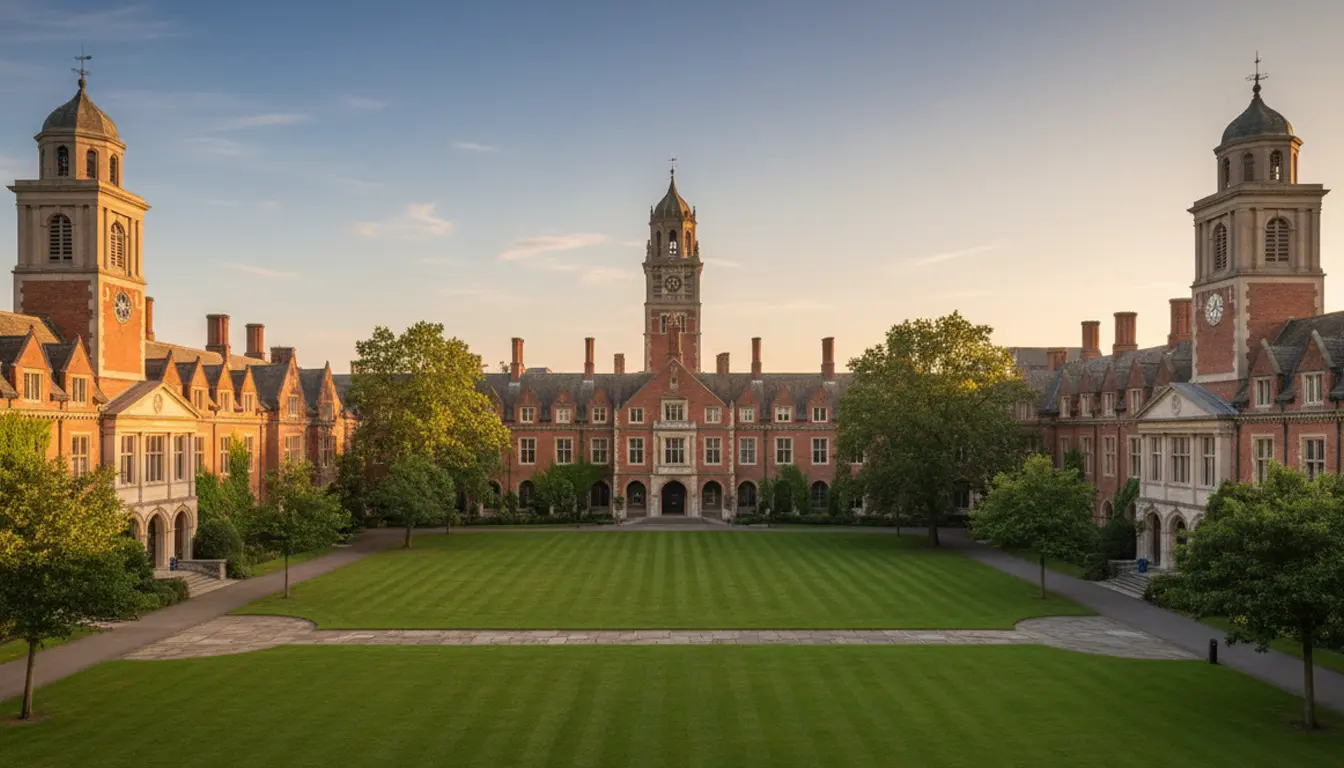
Known For Civil Engineering, Environmental Science, Arts
Known For Data Science, Business, Cybersecurity
Known For Aviation, Design, Agriculture, Business
Known For Agriculture, Food Science, Environmental Studies
Known For Hospitality, Sports Science, Health Science
All 8 public universities are ranked in the QS Top 500 globally and are highly respected across industries.
Pro Tips Before Shortlisting
- Consider regional universities (outside Auckland/Wellington) for longer post-study work visas and better PR chances.
- Explore scholarship options—many universities offer up to 30% tuition fee waivers for international students.
- Look for programs with integrated internships (Work-Integrated Learning) to boost employability.
Confused about which course or university is right for you?
Let The Study Connect help you shortlist the right-fit programs based on your profile, budget, and career goals.
Finance
Tuition Fees and Cost of Living to Study in New Zealand
A Globally Respected Education That Balances Quality and Affordability.
New Zealand offers an excellent return on investment for international students, with affordable tuition fees, strong post-study work rights, and high employability. When combined with smart financial planning and scholarships, studying in New Zealand can be more accessible than many other top study destinations.
At The Study Connect, we help you plan your education costs transparently and strategically—so you can focus on your goals, not your worries.
Tuition Fees (Annual Average)
Tuition fees in New Zealand vary by program level, university, and field of study. Here’s an approximate range to help you plan:
NZD 22,000 – 32,000/year
₹11.5 – ₹17 lakhs/year
(Approx. in INR)
NZD 26,000 – 40,000/year
₹13.5 – ₹21 lakhs/year
(Approx. in INR)
NZD 32,000 – 55,000/year
₹17 – ₹29 lakhs/yearr
(Approx. in INR)
NZD 6,500 – 10,000/year
₹3.5 – ₹5.5 lakhs/year
(Approx. in INR)
Key Insights:
- Ph.D. students pay domestic fees, making it one of the most affordable doctoral destinations globally.
- Many Master’s programs are completed in 12–18 months, reducing overall cost.
Living Expenses (Monthly Averages)
Living costs in New Zealand depend on the city you choose and your lifestyle. Here’s an average breakdown:
NZD 800 – 1,200
(Average Monthly Cost in NZD)
₹43,000 – ₹65,000
(Approx. in INR)
NZD 250 – 400
(Average Monthly Cost in NZD)
₹13,000 – ₹21,000
(Approx. in INR)
NZD 100 – 150
(Average Monthly Cost in NZD)
₹5,500 – ₹8,500
(Approx. in INR)
NZD 100 – 150
(Average Monthly Cost in NZD)
₹5,500 – ₹8,500
(Approx. in INR)
NZD 100 – 200
(Average Monthly Cost in NZD)
₹5,500 – ₹11,000
(Approx. in INR)
Estimated Annual Living Cost:
- NZD 18,000 – 25,000/year → Approx. ₹10 – ₹14 lakhs/year
Cities like Auckland and Wellington are on the higher side, while Christchurch, Dunedin, and Hamilton offer lower living expenses.
Additional One-Time Costs
NZD 375
(Estimated Cost in NZD)
₹20,000 approx.
(Approx. in INR)
NZD 400 – 700/year (Estimated Cost in NZD)
₹22,000 – ₹38,000
(Approx. in INR)
NZD 1,200 – 1,800
(Estimated Cost in NZD)
₹65,000 – ₹95,000
(Approx. in INR)
NZD 500 – 1,000/year
(Estimated Cost in NZD)
₹27,000 – ₹55,000
(Approx. in INR)
Health insurance (compulsory) is affordable and typically included in university packages.
Part-Time Work to Offset Costs
International students in New Zealand can work up to 20 hours per week during studies and full-time during scheduled breaks.
- Hourly Pay (Minimum Wage): NZD 22.70/hour → Approx. ₹1,200/hour.
- Typical Student Earnings: NZD 800 – 1,200/month → ₹43,000 – ₹65,000/month.
Many programs also include paid internships, research assistantships, or project work.
Why Choose Us
Smart Planning with The Study Connect
- Estimate complete costs based on your program, city, and lifestyle.
- Explore scholarships, financial aid, and early-bird discounts.
- Get assistance with education loans, sponsor letters, and visa financial documents.
- Plan for part-time work opportunities to offset living expenses.
Scholarship
Scholarships for Studying in New Zealand
Unlock Your Study Abroad Dream — With Scholarships That Make It Affordable.
New Zealand offers a range of generous scholarships for international students, including Indian applicants, to help reduce the financial burden of tuition fees and living expenses. From government-funded awards to university-specific scholarships and private grants, there are multiple options that can make studying in New Zealand much more accessible.
With early planning, a strong application, and guidance from The Study Connect, you can maximise your chances of receiving partial or full funding for your education.
Types of Scholarships Available in New Zealand
Who It’s For
High academic achievers with strong academic records or test scores
Who It’s For
Students from lower-income backgrounds or those demonstrating financial hardship
Who It’s For
For targeted fields like STEM, Agriculture, Business, Tourism, and IT
Who It’s For
Offered by the New Zealand Government for development, leadership, and research excellence
Who It’s For
Directly offered by institutions for international students
Who It’s For
Sponsored by corporations, NGOs, or foundations in New Zealand
Many scholarships in New Zealand are automatically considered during admission, while others require a separate application.
Popular Scholarships for Indian & International Students in New Zealand
(Offered By)
New Zealand Government + Universities
Partial tuition funding of NZD 5,000 – 10,000
(Offered By)
New Zealand Government
Full tuition, living costs, flights, establishment allowance
(Offered By)
University of Auckland
Up to NZD 10,000 tuition reduction
(Offered By)
University of Waikato
Up to NZD 15,000 over duration of study
(Offered By)
Auckland University of Technology
Up to NZD 7,000 – 10,000 towards tuition
(Offered By)
Lincoln University
NZD 5,000 – 10,000 tuition support
(Offered By)
Victoria University of Wellington
NZD 5,000 – 10,000 for tuition fees
Some scholarships also offer internship opportunities, leadership programs, and priority consideration for postgraduate work pathways.
Why Choose Us
How The Study Connect Supports Your Scholarship Success
- Shortlisting scholarships based on your profile, program, and intake
- Drafting high-impact Scholarship Essays and Statements of Purpose (SOPs)
- Reviewing LORs, academic transcripts, and financial documents
- Providing timelines, reminders, and application tracking
- Offering mock interviews or guidance for competitive government scholarships
Pro Tips for Scholarship Success in New Zealand
- Apply Early: Some scholarships close 6–9 months before course start dates.
- Tailor Every Application: Highlight your career goals, community impact, and leadership potential.
- Show Long-Term Contribution: Government scholarships often favour applicants who demonstrate future contribution to society, sustainability, or development.
Trusted by world-class universities







Earning Opportunities
Work Opportunities for Students Want to Study in New Zealand
Earn While You Learn. Build Global Experience. Open Pathways to a Long-Term Career and Permanent Residency.
New Zealand doesn’t just offer world-class education—it also provides excellent opportunities to gain professional work experience, earn income, and explore career pathways both during and after your studies. With clear and student-friendly work rights, New Zealand is one of the most attractive destinations for those seeking global exposure and future migration opportunities.
Understanding France’s work regulations and visa pathways will help you maximize your study abroad journey and explore exciting career prospects.
Part-Time Work During Studies
As an international student with a valid Student Visa, you are legally allowed to work part-time while studying.
Up to 20 hours per week during study periods; full-time during official holidays
NZD 22.70/hour (current minimum wage) → Approx. ₹1,200/hour
Must be enrolled in a full-time NZQA-accredited program of 12 months or longer
Many students use part-time work to help with living expenses, gain local work experience, and build networks.
Where Can You Work?
Retail, cafés, restaurants, supermarkets, admin roles
Retail stores, cafes, supermarkets, customer service, logistics
Paid or unpaid internships in Business, IT, Engineering, or Health Sciences
Tutoring, design, content writing (within visa regulations)
Many university programs include Work-Integrated Learning (WIL) or internship placements as part of the curriculum.
Average Student Earnings in New Zealand
NZD 22.70 – 25/hour
NZD 900 – 1,200 (₹50K – ₹65K approx.)/Month
NZD 25 – 30/hour
NZD 1,100 – 1,400 (₹60K – ₹75K approx.)/month
NZD 800 – 2,500/month (depending on industry)
Varies
This income is typically enough to cover food, transport, utilities, and part of your rent.
Requirements to Work Legally While Studying
- Hold a valid New Zealand Student Visa.
- Be enrolled in a full-time program with a duration of at least 12 months.
- Maintain satisfactory academic performance.
- Comply with visa work-hour limitations.
Some Master’s by Research and Ph.D. students can work unlimited hours.
Post-Study Work Opportunities in New Zealand (PSW)
One of New Zealand’s biggest advantages is its Post-Study Work Visa (Open)—allowing you to stay and work after graduation.
(Post-Study Work Duration)Up to 3 years
(Post-Study Work Duration)Up to 3 years
(Post-Study Work Duration)Up to 3 years
(Post-Study Work Duration)Up to 1 year (varies by course type and location
If you study in a regional city, you may receive extended post-study work rights, boosting your PR prospects.
The Green List Occupation Pathway also gives priority to graduates in fields like IT, Engineering, Healthcare, Construction, and Agriculture.
In-Demand Job Sectors for International Graduates in New Zealand
Software Developer, Data Analyst, AI Engineer
Civil Engineer, Project Manager, Structural Engineer
Registered Nurse, Mental Health Worker, Aged Care Specialist
Agribusiness Manager, Sustainability Officer
Marketing Manager, Financial Analyst, Business Development
Graduates in these fields often qualify for Skilled Migrant Category visas and Permanent Residency (PR).
Why Choose Us
How The Study Connect Helps You Maximise Work Opportunities
- CV and Cover Letter preparation (New Zealand format)
- LinkedIn profile setup and networking tips
- Interview coaching for part-time jobs and internships
- Post-study work visa guidance and PR pathways
How to apply
Application Process for Studying in New Zealand
From Choosing the Right Course to Visa Approval — A Step-by-Step Guide for a Smooth Study Abroad Journey.
Applying to study in New Zealand involves multiple stages—from selecting the right course and university to securing your student visa. With The Study Connect by your side, you get expert guidance, document support, and stress-free application management at every step.
Here’s how the typical New Zealand study application journey works:
1. Research & Shortlisting
The first step is to identify the right program, university, and intake based on your:
- Academic background
- Career goals and post-study plans
- Budget and scholarship eligibility
- Preferred city and lifestyle
We help you compare:
- Top Universities vs. Institutes of Technology & Polytechnics (ITPs) vs. Private Training Establishments (PTEs)
- Programs with high employability and PR potential
- Intake timing:
- February (Main Intake)
- July (Secondary Intake)
- Some programs with rolling intakes (especially diplomas)
- February (Main Intake)
Our experts ensure you apply to future-proof courses that align with New Zealand’s skill shortages and immigration lists.
2. Prepare Required Documents
Getting your documents right is essential for both university admissions and visa approval.
Academic Transcripts & Certificates (10th, 12th, Degree) needed for admission eligibility and visa.
Valid Passport needed for identification and visa processing.
English Proficiency (IELTS/TOEFL/PTE) needed for both admissions and visa (typical requirement: IELTS 6.0–6.5).
Statement of Purpose (SOP) / Motivation Letter needed to explain your academic and career goals.
Letters of Recommendation (LORs) needed from teachers, professors, or employers.
Resume or CV (for PG applicants) needed for Master’s programs and some diplomas.
Portfolio (if applicable) needed for design, art, and other creative programs.
Financial Proofs (for visa) needed to show sufficient funds via bank balance, education loan, or sponsorship letters.
We help you draft, edit, and polish your SOPs, CVs, and LORs to meet New Zealand standards.
3. Submit University Applications
- Apply directly to multiple universities or colleges via official portals.
- Manage application forms, document uploads, and fee payments (application fees range from NZD 25–75).
- Track offers and assist with any interviews or follow-ups.
4. Receive Offer Letter & Accept Admission
Your chosen institution will issue:
- Conditional Offer: Pending documents like final marksheets or IELTS scores.
- Unconditional Offer: All requirements met—ready for visa stage.
We help you:
- Evaluate multiple offers based on cost, post-study work options, and career outcomes.
- Guide you in accepting the offer and paying the initial tuition deposit (usually NZD 3,000–5,000).
5. Financial Preparation & Visa Documentation
To apply for your New Zealand Student Visa, you’ll need:
Requirement | Minimum Amount (as of 2025) |
Proof of Funds (Living Costs) | NZD 20,000/year (₹11 lakhs approx.) |
Tuition Fee Payment Proof | Paid or partially paid for visa approval |
Accommodation Proof | Optional, but strengthens visa case |
Insurance (Compulsory) | Must have valid health insurance for duration of stay |
We help you arrange:
- Bank statements, loan sanctions, or sponsor letters.
- Financial documents in embassy-compliant formats.
6. Apply for New Zealand Student Visa (Subclass 500 Equivalent)
Visa Process:
- Apply online via Immigration New Zealand (INZ) website.
- Upload documents: Offer Letter, financial proofs, insurance, passport.
- Pay Visa Fee: NZD 375 (approx. ₹20,000).
- Schedule and attend biometrics appointment (VFS Global).
- Await decision—typically processed within 3–6 weeks.
We assist you with:
- Form filling and documentation checks.
- GTE (Genuine Temporary Entrant) statement writing.
- Pre-visa file review and submission guidance.
7. Plan for Departure & Arrival in New Zealand
Task | Details |
Flight Booking | Plan arrival 2–4 weeks before intake |
Accommodation | Confirm on-campus, homestay, or rental |
Packing & Essentials | Weather-appropriate clothes, chargers, adapters, prescriptions |
Document Folder | Include: Passport, Visa, Offer Letter, Financial Proofs |
Pre-Departure Orientation | Understand arrival procedures, university induction, and city navigation |
We provide pre-departure webinars, packing lists, and first-week guidance to ensure you settle in smoothly.
Your New Zealand Journey—Made Simple by The Study Connect
From shortlisting to student visa, we guide you through every stage with clarity, care, and confidence.
Or get started now:
How We Help
How The Study Connect Helps with Your New Zealand Application
Your Study Abroad Journey. Simplified, Structured, and Fully Supported—From Start to Finish.
Applying to study in New Zealand involves many moving parts—university selection, document preparation, visa formalities, and financial planning. One misstep can lead to delays, visa rejections, or missed intakes.
At The Study Connect, we make sure that doesn’t happen.
We offer end-to-end personalised support that ensures your New Zealand study journey is smooth, transparent, and stress-free.
Here’s How We Guide You Through Every Milestone:
We don’t believe in generic lists—we help you strategically select programs that fit your:
- Academic background
- Career aspirations
- Budget and scholarship chances
- Location preference and post-study plans
- Universities vs. ITPs vs. PTEs
- PR-friendly regional locations vs. major cities
- One-year vs. two-year Master’s programs
Your application is more than just forms—it’s your story. We help you tell it powerfully.
We assist you with:
- Crafting impactful Statements of Purpose (SOPs) that communicate your goals, strengths, and intent.
- Guiding your recommenders on writing strong Letters of Recommendation (LORs).
- Polishing your Resume (CV) to meet New Zealand standards.
- Drafting effective GTE (Genuine Temporary Entrant) visa statements to avoid rejections.
A strong application package doesn’t just secure admission—it improves your visa chances too.
We remove the guesswork from the application process by offering:
- Direct application submission to universities, polytechnics, or PTEs.
- Real-time progress tracking—so you always know what’s done, what’s pending, and what’s next.
- Deadline management for applications, scholarships, and visa submissions.
No missed deadlines. No overlooked documents. No last-minute panic.
We help you save money through:
- Shortlisting scholarships like the New Zealand Excellence Awards (NZEA), university-specific grants, and regional discounts.
- Essay support for scholarship applications.
- Advice on education loans, sponsor documentation, and visa financial proofs.
Many of our students save between ₹2.5 lakhs – ₹10 lakhs through smart scholarship planning and cost optimisation.
New Zealand’s student visa process is strict but transparent. We help you get it right the first time.
- Complete visa form assistance and document checks.
- Financial planning: arranging bank letters, fixed deposits, or education loan proofs.
- Mock interviews (if required) and visa compliance education.
Our goal: Maximise your visa approval chances without errors.
We support you beyond admissions with:
- Accommodation advice (temporary or long-term)
- Flight booking tips & packing guides
- New Zealand SIM, bank account, and transport setup guidance
- First-week orientation help so you land with confidence.
We’re there for you before take-off and after arrival—until you settle into your new life.
- 1:1 dedicated counselor support via WhatsApp, calls, and email.
- Regular check-ins and milestone updates.
- Priority help for urgent concerns.
Start Your New Zealand Journey with The Study Connect
Thousands of students have achieved their study abroad dreams with our help. You can too.
FAQs
Frequently Asked Questions
Studying in New Zealand
We’ve answered thousands of questions from students just like you. Here are some of the most common ones — with clear, no-fluff answers.
1. What are the basic requirements to study in Canada?
- A valid passport
- Proof of acceptance from a Designated Learning Institution (DLI)
- Proof of funds (tuition + living expenses)
- English proficiency test scores (IELTS/TOEFL)
- A well-written SOP and academic transcripts
- A valid study permit (visa)
2. Can I study in Canada without IELTS?
3. How much bank balance is required for a Canadian study visa?
- CAD 10,000 in a Guaranteed Investment Certificate (GIC)
- Proof of first-year tuition payment
- Additional funds if your living expenses exceed CAD 10,000
4. How long does the Canada student visa process take?
To study in Canada as an international student, you typically need:
- A valid passport
- Proof of acceptance from a Designated Learning Institution (DLI)
- Proof of funds (tuition + living expenses)
- English proficiency test scores (IELTS/TOEFL)
- A well-written SOP and academic transcripts
- A valid study permit (visa)
5. Can I bring my spouse or dependents while studying?
- Your spouse may be eligible for an open work permit
- You may apply for dependent visas for children
Each case is unique, so it’s important to evaluate eligibility beforehand.
6. Are scholarships available for Indian students in Canada?
- Vanier Canada Graduate Scholarships
- University-specific entrance awards
- Province-specific funding schemes
We help you shortlist scholarships based on your profile.