Study in USA
Unmatched flexibility in courses and specialisations, cutting-edge research exposure, and diverse career pathways across the world’s largest education ecosystem.
- Home
- Study in USA

Study In USA
Dreaming of Studying in the USA?
- T4,000+ world-class universities and colleges
- Up to 3 years OPT (Post-study work) for STEM graduates
- Highly flexible course structure with inter-disciplinary options
- Direct access to global job markets and top U.S. employers
- Strong multicultural campus ecosystems Scholarships, grants, and financial aid options for international students
Education
Education System in USA
The education system in the United States is renowned for its flexibility, innovation, and student-centric approach. Whether you’re pursuing a bachelor’s, master’s, or doctoral degree, the U.S. system offers multiple pathways and academic freedom that empower students to shape their own learning experience.
(Bachelor’s Degree)
Undergraduate programs typically last 4 years, allowing students to explore general education subjects before specialising. Students can declare their major by the second or third year, giving them time to find the right academic path.Popular Fields: Business, Computer Science, Engineering, Psychology, and Life Sciences
Ph.D. programs typically span 4–7 years and emphasise original research. Students often receive funding through assistantships or fellowships, making it an appealing option for those seeking academic or research-based careers.
(Master’s Degree)
Graduate degrees in the U.S. are often 1–2 years in duration, offering both thesis and non-thesis (coursework-based) tracks. The U.S. is especially known for STEM programs, which offer extended OPT (up to 36 months of work authorisation post-graduation).Popular Fields: Data Science, Engineering, Finance, Public Health, Artificial Intelligence.
Types of Institutions
2-year programs offering associate degrees or transfer paths to 4-year universities
State-funded, typically lower tuition, large campuses (e.g., UCLA, University of Florida)
Often more selective with higher tuition, but generous scholarships (e.g., Stanford, MIT)
Focused on well-rounded education across humanities, sciences, and arts
Credit-Based System
Courses are measured in credit hours, and students must complete a minimum number to graduate. The GPA (Grade Point Average) system is used to evaluate academic performance on a 4.0 scale.
Intakes in USA
U.S. universities typically offer three major intakes, giving students the flexibility to choose a start date that aligns with their academic readiness and visa timelines.
(August – December)
Most popular intake with the widest range of courses, scholarships, and internship opportunities. Ideal for fresh graduates and those seeking full academic cycles.
(January – May)
A great alternative for students who miss Fall intake. Slightly fewer course options, but still offers ample opportunities.
(May – July)
Mostly for specific programs, short-term courses, or language prep. Not all universities offer this intake.
Pro Tip: Apply at least 6–9 months in advance of your intended intake to maximize chances for admission, funding, and timely visa processing.
Courses
Popular Courses and Top Universities to Study in USA
The United States is known for academic freedom, cutting-edge research, and unmatched specialization options. Whether you’re aiming for a career in tech, business, healthcare, or the arts — studying in the USA opens doors across industries and continents.
Popular Courses Among International Students
U.S. institutions offer thousands of programs across hundreds of majors — but here are the most in-demand ones:
From Artificial Intelligence to Cybersecurity, U.S. universities lead global research in tech. Graduates are highly sought after by top employers like Google, Amazon, and Meta.
Home to globally ranked B-schools like Harvard, Wharton, and Stanford, the USA is a top destination for those pursuing MBAs or specialized Master’s in Finance, Marketing, and Entrepreneurship.
Mechanical, Electronics, Electrical, Civil, and Aerospace — the U.S. has robust engineering programs that combine theoretical learning with hands-on innovation.
With world-class research facilities and hospitals, the USA is ideal for degrees in Public Health, Biotechnology, and Biomedical Sciences.
As businesses rely more on data-driven insights, Data Science programs have surged — blending math, coding, and business strategy.
Whether it’s UX Design, Animation, Film, or Journalism — U.S. schools offer cutting-edge creative programs that emphasize both art and technology.
Top Universities in the USA for International Students
Here’s a curated list of top U.S. universities that attract thousands of international students every year:
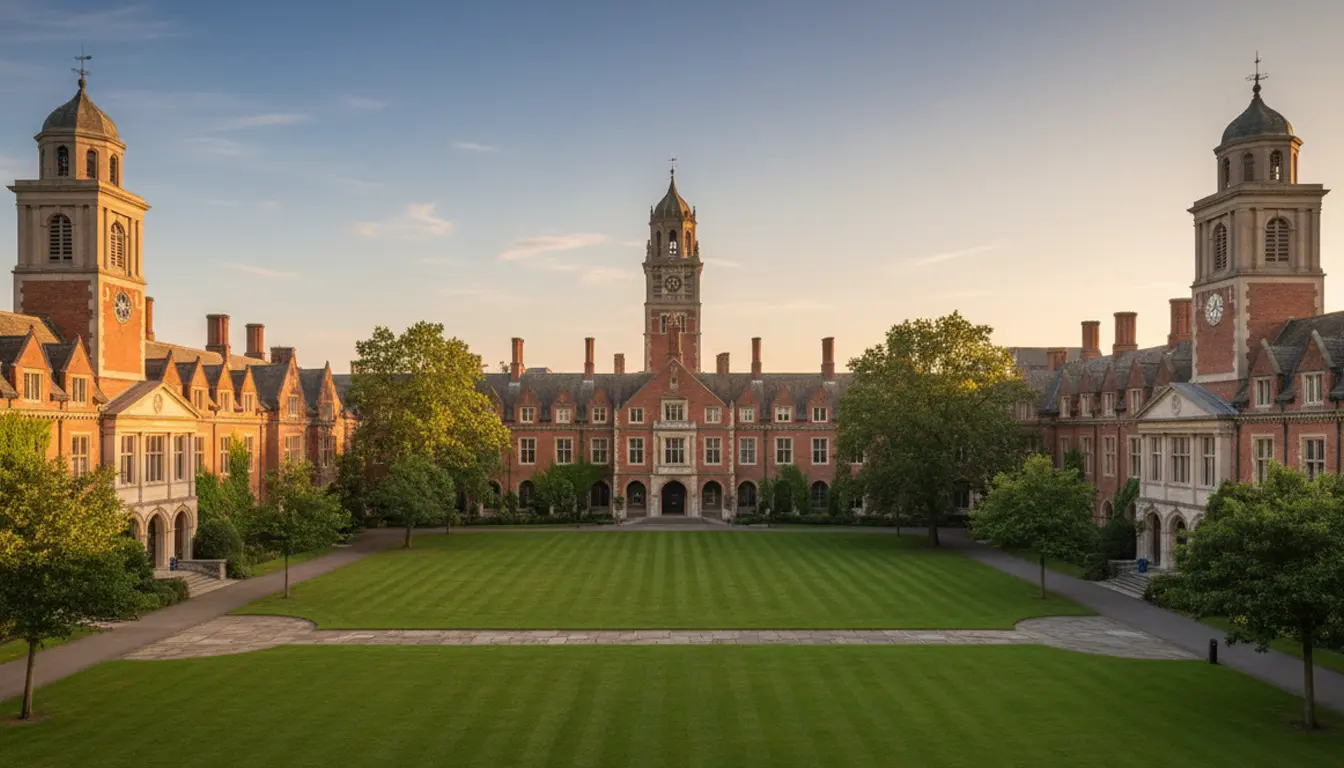
Known for Business, Law, Public Policy
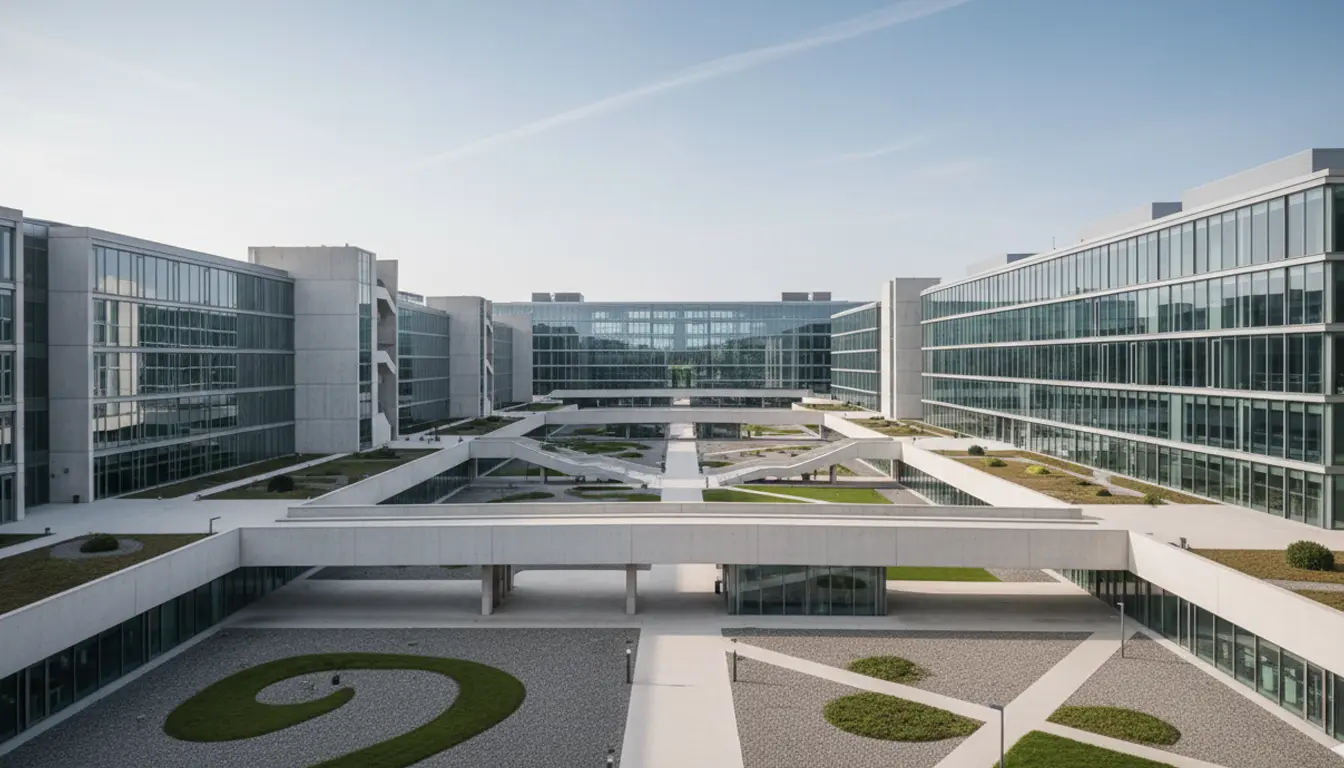
Known for Engineering, Computer Science, Physics
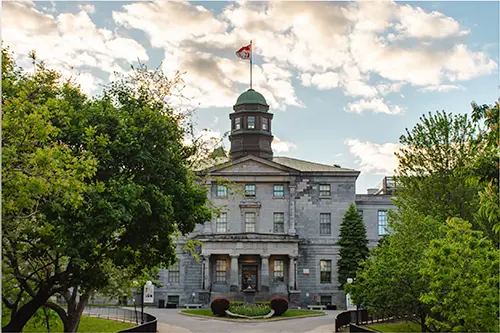
Known for Start-up culture, Engineering, Business
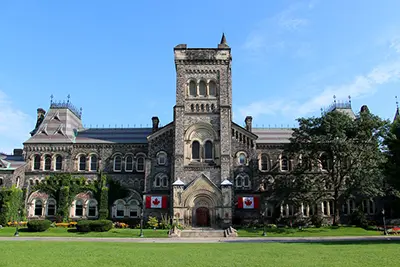
Known for Tech, Environment, Social Sciences

Known for Computer Science, Engineering
Known for Computer Science, AI, Robotics
Known for Business, Engineering, Health Sciences
Pro Tip:Don’t just chase rankings — the best-fit university depends on your program of interest, budget, career goals, and visa plans.
Finance
Tuition Fees and Cost of Living to Study in USA
The USA offers incredible educational value — but it’s important to plan your finances well. From Ivy League universities to affordable public colleges, there’s a wide cost spectrum based on your program, location, and lifestyle.
Tuition Fees
(Approximate Annual Range)
Tuition fees vary by program and institution, but here’s what international students can expect
$8,000 – $15,000
(Average Annual Tuition)
₹6.5 – ₹12.5 lakhs
(Approx. in INR)
Degree
$20,000 – $40,000
(Average Annual Tuition)
₹16.5 – ₹33 lakhs
(Approx. in INR)
(STEM & Non-STEM)
$25,000 – $50,000
(Average Annual Tuition)
₹20.5 – ₹41 lakhs
(Approx. in INR)
$40,000 – $70,000
(Average Annual Tuition)
₹33 – ₹58 lakhs
(Approx. in INR)
$28,000 – $50,000 (largely waived)
(Average Annual Tuition)
₹23 – ₹41 lakhs (with assistantships)
(Approx. in INR)
Living Expenses(Monthly Averages)
Your living expenses vary depending on the city, lifestyle, and housing type. Here’s a general breakdown:
$500 – $1,200
(Average Monthly Cost)
₹41,000 – ₹98,000
(Approx. in INR)
$250 – $400
(Average Monthly Cost)
₹20,000 – ₹33,000
(Approx. in INR)
$100 – $250
(Average Monthly Cost)
₹8,000 – ₹20,000
(Approx. in INR)
$60 – $150CAD 12,000 – CAD 18,000
(Average Monthly Cost)
₹5,000 – ₹12,000
(Approx. in INR)
$100 – $200
(Average Monthly Cost)
₹8,000 – ₹16,000
(Approx. in INR)
Estimated Annual Living Cost: $12,000 – $18,000 → ₹10 – ₹15 lakhs
Additional One-Time Costs (Approximately and tend to change or vary)
$535
(Estimated Cost)
₹44,000
(Approx. in INR)
$500 – $1,200
(Estimated Cost)
₹41,000 – ₹98,000
(Approx. in INR)
$500 – $1,000/year
₹41,000 – ₹82,000
(Approx. in INR)
Not Sure How It All Adds Up?
Use our Budget Calculator to estimate your total expenses — based on university, program, and lifestyle preferences.
Prefer human guidance?
You can also Request a Callback to get personalized cost planning with our expert counselors.
Scholarship
Scholarships for Studying in USA
Worried about managing your education costs in the USA? Don’t worry — there’s a wide variety of merit-based, need-based, and university-specific scholarships available for international students. With early planning and the right guidance, many students cut down their tuition burden significantly..
Types of Scholarships Available
Who It’s For
Students with strong academics, standardized test scores (SAT, GRE, GMAT, TOEFL)
Who It’s For
Students with proven financial constraints and strong academic motivation
Who It’s For
Based on the chosen field — STEM, Business, Humanities, etc.
Who It’s For
Offered directly by U.S. universities during admissions
Who It’s For
Sponsored by U.S. federal or state departments (e.g., Fulbright)
Who It’s For
Offered by non-profits, corporations, or international education bodies
Popular Scholarships for International Students in USA
(Offered By)
U.S. Government
Full tuition, living expenses, airfare, and more
(Offered By)
American Association of University Women
USD 18,000 – 30,000 per year(Master’s/PhD)
(Offered By)
Stanford University
Full or partial aid based on financial need
(Offered By)
Harvard University
100% demonstrated need coverage
(Offered By)
Yale University
Covers tuition, living, travel, and books
(Offered By)
Rotary Foundation
Tuition, living, and related costs
(Offered By)
Gates Foundation
Full cost of attendance for exceptional minority students
Tip: Many top U.S. universities automatically consider international applicants for scholarships during admission — so apply early, submit strong SOPs, and have complete documentation ready.
Why Choose Us
How The Study Connect Helps
- Identify scholarships based on your academic background, country preferences, and course goals
- Craft powerful scholarship essays and financial need statements
- Assist with documentation like income proofs, academic transcripts, and more
- Track deadlines and guide you through every submission
- Offer exclusive lists of verified scholarships for each U.S. intake
Trusted by world-class universities
Earning Opportunities
Work Opportunities for Students Want to Study in USA
Studying in the USA is more than just academics — it’s also an opportunity to gain valuable work experience, build your resume, and make professional connections. The U.S. offers various legal options for international students to work both during and after their studies, helping them manage expenses and gain real-world exposure.
Part-Time Work During Studies
International students on an F-1 visa are allowed to work under specific conditions, typically up to 20 hours per week during academic sessions and full-time during official breaks (summer, winter holidays).
Where Can You Work?
Library assistant, lab technician, food services
Program-integrated internships, research positions
Full-time post-study work in your field of study
Note: Off-campus work without proper authorization is not allowed. CPT and OPT require prior approval and coordination with your university’s DSO (Designated School Official).
Average Student Earnings
USD $12 – $20
(varies by job type and location)
USD $800 – $1,200 for part-time work (up to 20 hrs/week)
Students often use this income to help cover everyday expenses like food, transportation, and communication.
Requirements for Working While Studying
To work legally as an F-1 visa student, you must:
- Hold a valid F-1 student visa
- Be enrolled full-time in a SEVP-approved school
- Obtain authorization from your DSO before starting any CPT or OPT
Ensure your employment directly relates to your course of study (for CPT/OPT)
Post-Study Work Opportunities in the USA
International students can continue working in the U.S. after graduation under the OPT (Optional Practical Training) program or transition to work visas like H-1B if sponsored by an employer.
Optional Practical Training (OPT)
12 months
Additional 24-month extension possible
OPT must be related to your field of study.
You can work for any employer, but all jobs must align with your academic background.
High-Demand Job Sectors
Software Engineer, AI Specialist, Data Analyst
Research Assistant, Public Health Analyst
Finance Analyst, Marketing Associate
Mechanical, Electrical, Civil Engineers
Teaching Assistant, Research Fellow
Want expert help navigating CPT, OPT, and work visa options in the USA?
How to apply
Application Process for Studying in USA
Applying to U.S. institutions is a step-by-step journey—clear preparation makes all the difference. Here’s what the typical process looks like:
1. Research & Shortlisting
- Identify universities and programs that match your academic background, career goals, and budget.
- Use tools like The Study Connect’s Country Match Quiz to find your best-fit options in the USA.
2. Prepare Required Documents
- Academic transcripts (10th, 12th, and Bachelor’s)
- Valid Passport
- English proficiency test scores (IELTS/TOEFL/Duolingo)
- Standardized test scores (SAT/ACT, GRE/GMAT if required)
- Statement of Purpose (SOP)
- Letters of Recommendation (LORs)
- Resume or CV (especially for postgraduates)
- Portfolio (for arts/design courses, if applicable)
3. Submit Applications
- Apply directly through each university’s official portal
- Pay the application fee (typically USD $50–100 per university)
- Double-check required documents for completeness and format
- Track your submission status and important deadlines
4. Receive Offer Letter
- This is a crucial document required for your student visa (F-1) application
- Some universities may issue conditional offers (e.g., pending final exam results or English proficiency scores)
- Review the terms of your offer carefully — including deadlines to accept and deposit requirements
5. Financial Preparation
- Tuition Deposit: Some universities may require an enrollment deposit (usually USD 500–2,000) to confirm your seat.
- Proof of Funds: Must show you can cover at least the first year of tuition and living expenses.
- Gather acceptable financial documents — recent bank statements (past 3–6 months), Affidavit of Support (if sponsored), sanctioned education loan letters, or scholarship award letters (if applicable).
- Mandatory Visa-Related Fees (as of 2025):SEVIS I-901 Fee: USD 350 — required before your visa interview.U.S. Visa Application Fee (DS-160): USD 185 — non-refundable, for F-1 visa processing.
6. Apply for the US Student Visa (F-1)
- Pay the SEVIS I-901 Fee — USD 350, paid online at [fmjfee.com]; save the confirmation for your interview.
- Complete the DS-160 Form — fill out the online non-immigrant visa application carefully; ensure all details match your passport and I-20, and upload a recent passport-size photo as per U.S. guidelines.
- Pay the Visa Application Fee — USD 185; pay online or via approved bank channels, and keep your receipt safe.
- Book Your Visa Appointment — schedule both your biometric (VAC) and visa interview appointments at your nearest U.S. Embassy or Consulate.
- Prepare Your Documents — carry your valid passport, DS-160 confirmation page, visa fee and SEVIS receipts, I-20 form, proof of funds, academic transcripts, and test scores (SAT, GRE, IELTS, etc.).
- Attend the Visa Interview — stay confident and honest when answering questions about your course, university, finances, and career plans; demonstrate strong ties to your home country.
7. Plan for Departure to the USA
- Book your flight — choose one that arrives within 30 days before your course start date (as per your I-20).
- Arrange accommodation — confirm temporary or long-term housing near your university; check if airport pickup is available.
- Purchase health insurance — some universities require it; if not, consider private coverage for added security.
- Carry all essential documents — keep copies of your passport, visa, I-20, SEVIS receipt, admission letter, proof of funds, and vaccination certificates in your hand luggage.
- Pack smart — include weather-appropriate clothing, necessary utensils, prescribed medicines, power adapters, and personal comfort items.
- Join university orientation sessions — attend online or in-person pre-departure sessions to understand arrival procedures and campus life.
- Download essential apps — such as Google Maps, Uber, WhatsApp, your university portal, and a currency converter for convenience.
- Arrive Early: Try reaching at least 1–2 weeks before classes begin to settle in and complete onboarding.
- Keep Documents Accessible: US Immigration Officers may ask for your I-20, admission letter, or proof of funds.
- Activate Local SIM / Phone Plan: Consider e-SIMs or buy a local SIM at the airport for immediate connectivity.
- University Reporting: Report your arrival to your Designated School Official (DSO) as soon as possible to activate your SEVIS record.
Need Help Planning Your First Few Weeks in the US?
From airport pickup guidance to finding student accommodation, our team helps you get ready — so your transition abroad feels empowering, not overwhelming.
and we’ll walk you through the post-visa planning checklist.
How we help
How The Study Connect Helps with Your USA Application
Applying to study in the USA can feel overwhelming — entrance tests, complex documentation, shifting deadlines, and the all-important visa interview. At The Study Connect, we simplify the process with hands-on, structured support so you can move forward with confidence — not confusion.
Here’s how we support you at every stage:
We don’t follow one-size-fits-all shortlists. We understand your academic background, goals, and budget — and help you apply to US universities that truly match your profile and priorities.
Not sure if you need the SAT, GRE, GMAT, or just TOEFL/IELTS? We help you choose the right tests and timeline — and guide you on how to strengthen your profile before applying.
Our experts help you draft powerful Statements of Purpose, build polished resumes, and ensure your Letters of Recommendation align with what US universities expect.
We walk you through the university portal applications , help you manage document uploads, fee payments, and form submissions — right on time.
We identify scholarships that fit your course, budget, and background. From drafting essays to preparing financial proofs, we support you in reducing your education cost.
From completing your DS-160 form correctly to unlimited mock interviews, we help you prepare thoroughly for your US F-1 visa application and interview.
We support you with housing options, packing checklists, insurance, flight bookings, and arrival preparation — so you land in the US fully ready.
You won’t be left waiting on a reply. Our advisors stay connected via messages, calls, and shared trackers — offering real-time updates and peace of mind.
Join the Thousands We've Helped Study Abroad Successfully
Want to make your USA journey stress-free, structured, and scholarship-ready?
and let’s make it happen — together.
faqs
Frequently Asked Questions Studying in the USA
Applying to U.S. institutions is a step-by-step journey—clear preparation makes all the difference. Here’s what the typical process looks like:
1. Is the USA still a good option for international students in 2025?
Absolutely. Despite global shifts, the USA remains a top destination due to its academic excellence, research opportunities, and strong post-study work options through OPT and STEM extensions.
2. What exams are required to study in USA?
- TOEFL / IELTS / Duolingo (for English proficiency)
- SAT / ACT (for undergraduate programs)
- GRE / GMAT (for select postgraduate courses) We help you decide which ones apply to your goals.
3. How much does it cost to study in USA for Indian students?
4. Can I work while studying in the USA?
- Work on-campus up to 20 hours/week during the semester
- Apply for CPT (Curricular Practical Training) for internships
- Work under OPT (Optional Practical Training) after graduation. Some STEM students may be eligible for a 24-month OPT extension.
5. When are the major intakes to study in USA?
- Fall (August/September) – Most popular with the widest course availability
- Spring (January) – Fewer programs, but still a strong option
- Summer (May) – Limited programs, mainly short-term or specific
6. Can I get PR after studying in the USA?
7. How early should I start planning my USA education?
Ideally, begin 12–15 months before your intended intake. This gives you time for exams, documentation, applications, visa processing, and scholarship planning — with less stress and more success.
8. Can I apply without GRE/GMAT?
Yes, many universities in the USA now offer GRE/GMAT waivers, especially for 2025 intakes. We’ll help you shortlist programs that align with your profile — with or without test scores.
9. How do I apply for scholarships to study in the USA?
Most universities automatically consider eligible students for scholarships. Some may require separate applications or essays. We help you track deadlines, prepare documents, and improve your chances.
10. Can The Study Connect help if I’ve already started my application?
Absolutely! Whether you need SOP support, visa prep, or final reviews — we can step in at any stage and offer expert guidance to ensure nothing is missed.